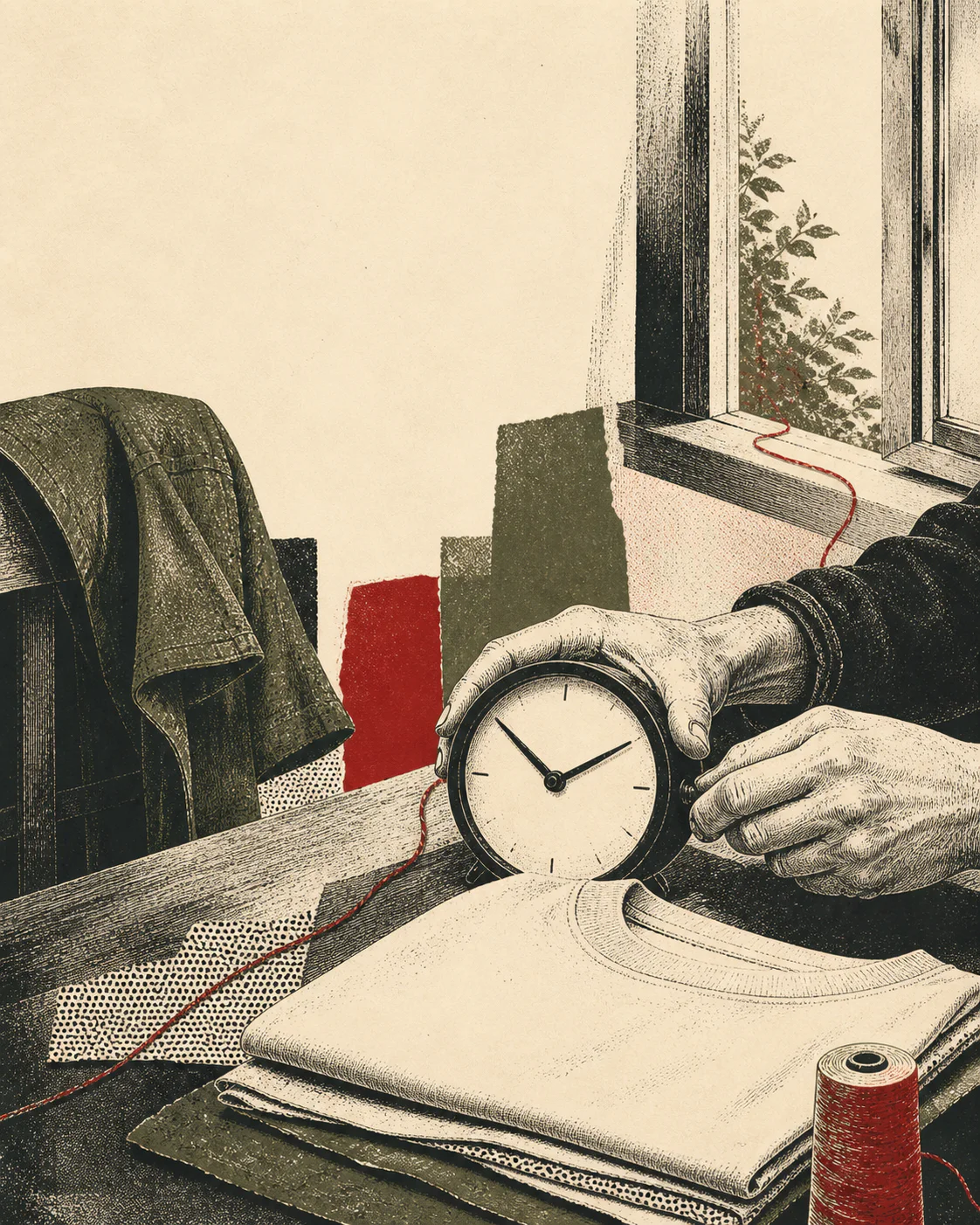
The slogan is usually remembered in shorthand, “the eight-hour day,” which loses the best part. In full it went: eight hours for work, eight hours for rest, eight hours for what we will.
The first two clauses explain themselves. Any employer of the era could understand work, and even the harshest conceded that bodies need sleep, if only because exhausted workers wreck machines. The third clause was the radical one, and the vagueness was the radicalism. What we will. Not eight hours for church, or self-improvement, or family, each of which would have been a respectable Victorian answer that authority could endorse. Just: ours, for whatever we decide.
That demand was stranger in 1886 than it now sounds. Time was understood as the employer’s raw material, and a worker’s day belonged to whoever paid for it, minus whatever biology strictly required. Claiming a third of it for undefined, unsupervised, unproductive life meant claiming that workers had interiors, and that the interior had standing.
Everything this brand likes traces back through that clause. The weekend lives in it. The evening walk, the band practice, the slow coffee, the hobby that will never make money and isn’t supposed to: all of it is what-we-will time, and all of it had to be won by people who were told the demand was utopian. Bread and roses is the same argument in a different flower: bread is the first sixteen hours, roses are the third eight.
The clause is still being renegotiated, mostly without anyone calling it that. A scheduling app that pings at 9 p.m. is renegotiating it. So is a shift posted forty-eight hours ahead, and a job description that lists availability as a quality of character. The people who struck in 1886 would recognize all of it, and they would recognize the remedy too, since it has not changed: the third eight hours are yours only for as long as enough of you say so at once.
Which is the long way of explaining why a Tuesday evening spent on nothing in particular is the demand being met rather than time being wasted.