
The journal
Direction
The stories behind the clothes: design history, labor history, fabric and care. Written by people, checked against sources, published when they're ready.
Fabric & careIdeasLaborHistoryDesign
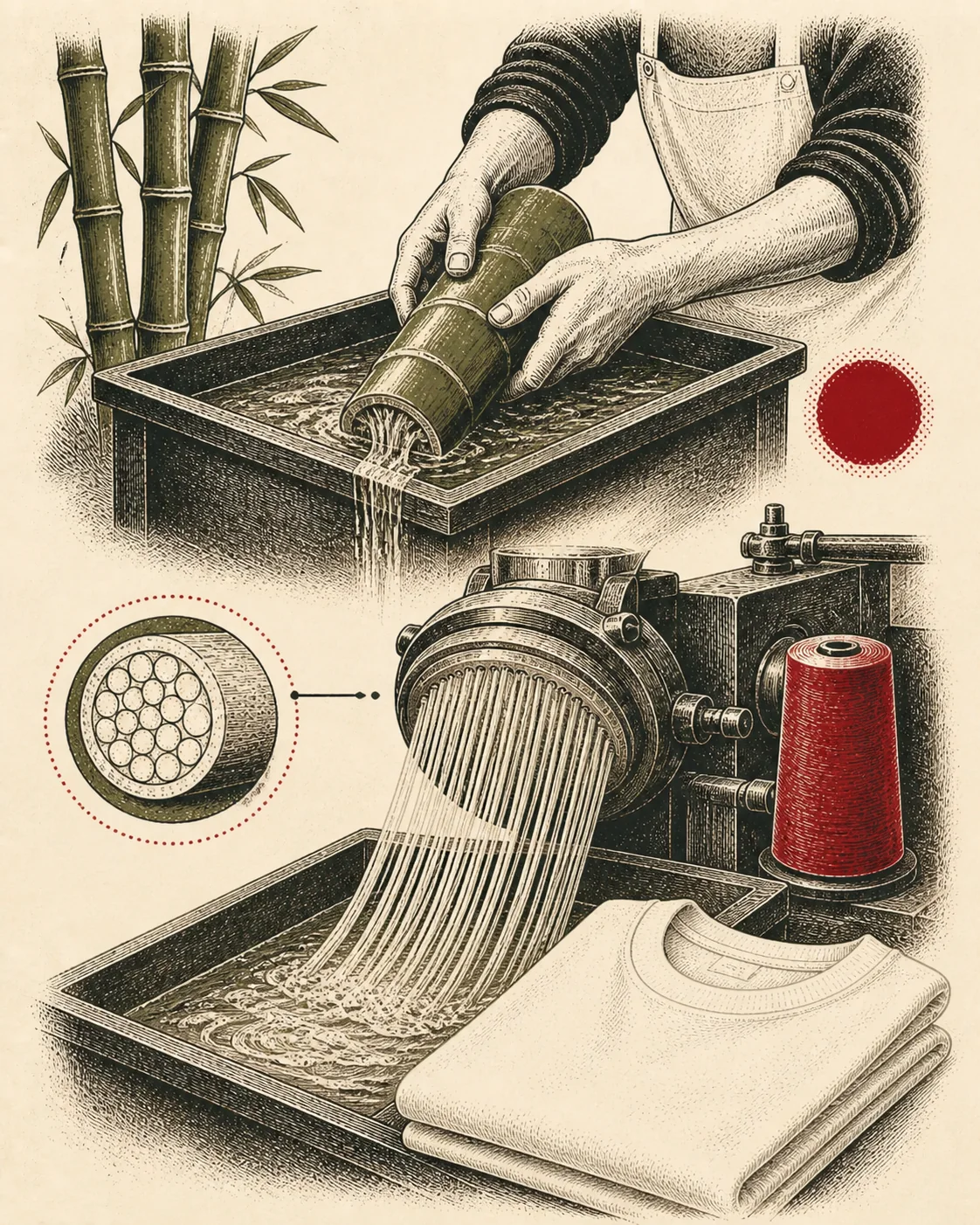
Bamboo fabric is usually rayon
A hangtag that says bamboo is describing where the cellulose came from, not what the fiber still is by the time it reaches a loom.
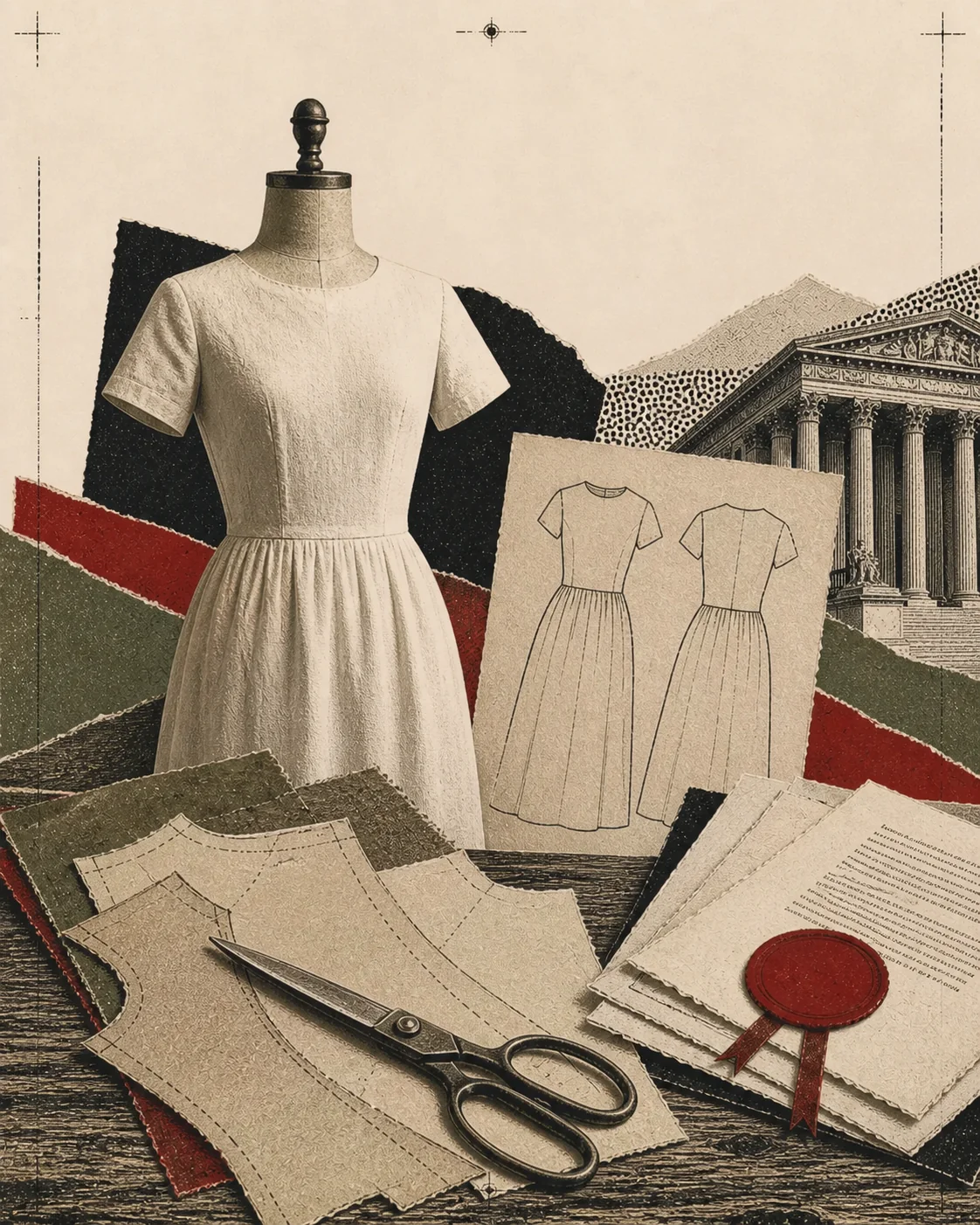
Can you copyright a dress
A cheerleading uniform's chevrons went to the Supreme Court in 2017. The uniform's shape never got anywhere near it.
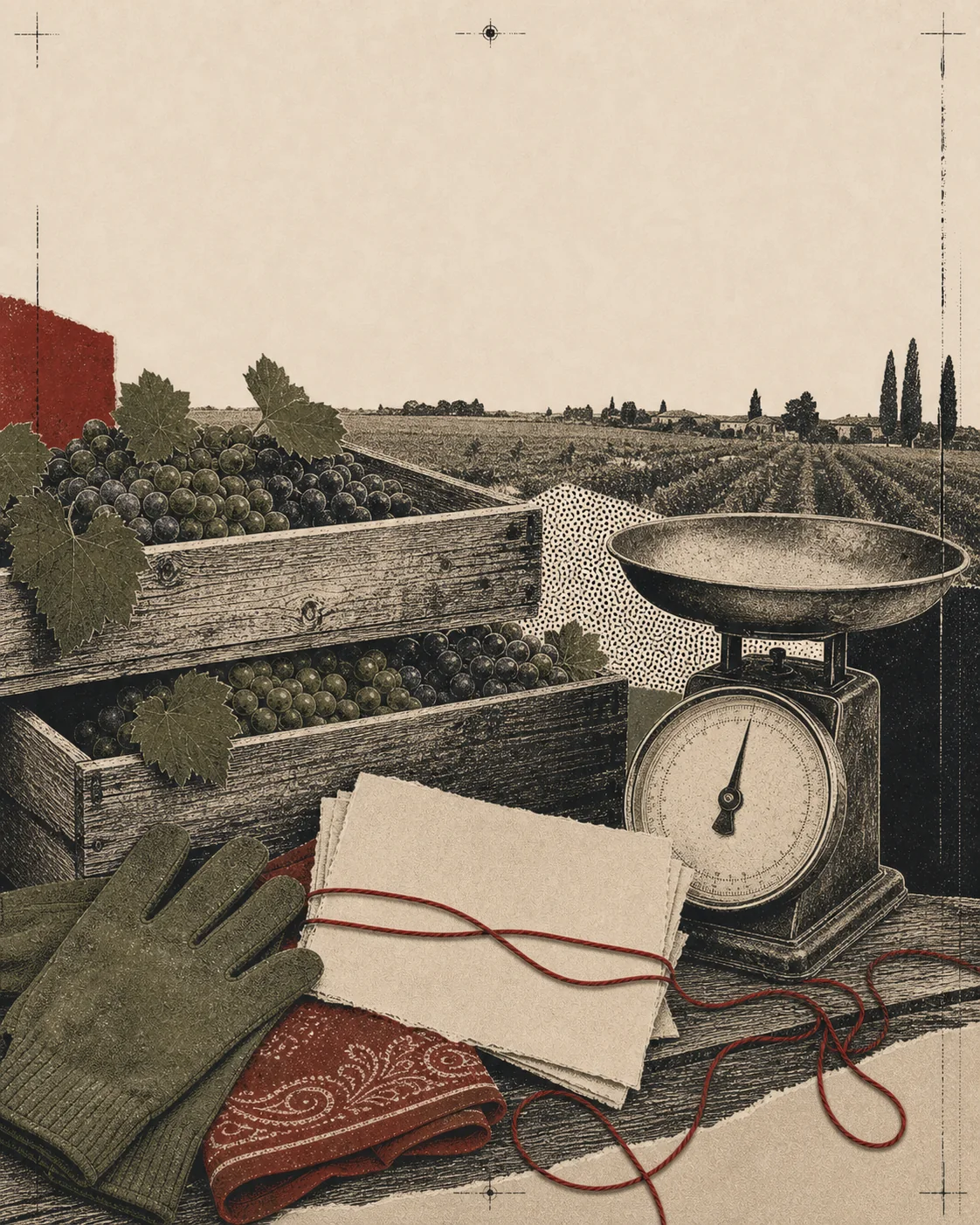
The Delano grape strike turned the supermarket into a picket line
Two unions, one supermarket boycott, five years, and a first contract signed in a field outside Delano. The strike that moved the picket line to the produce aisle.
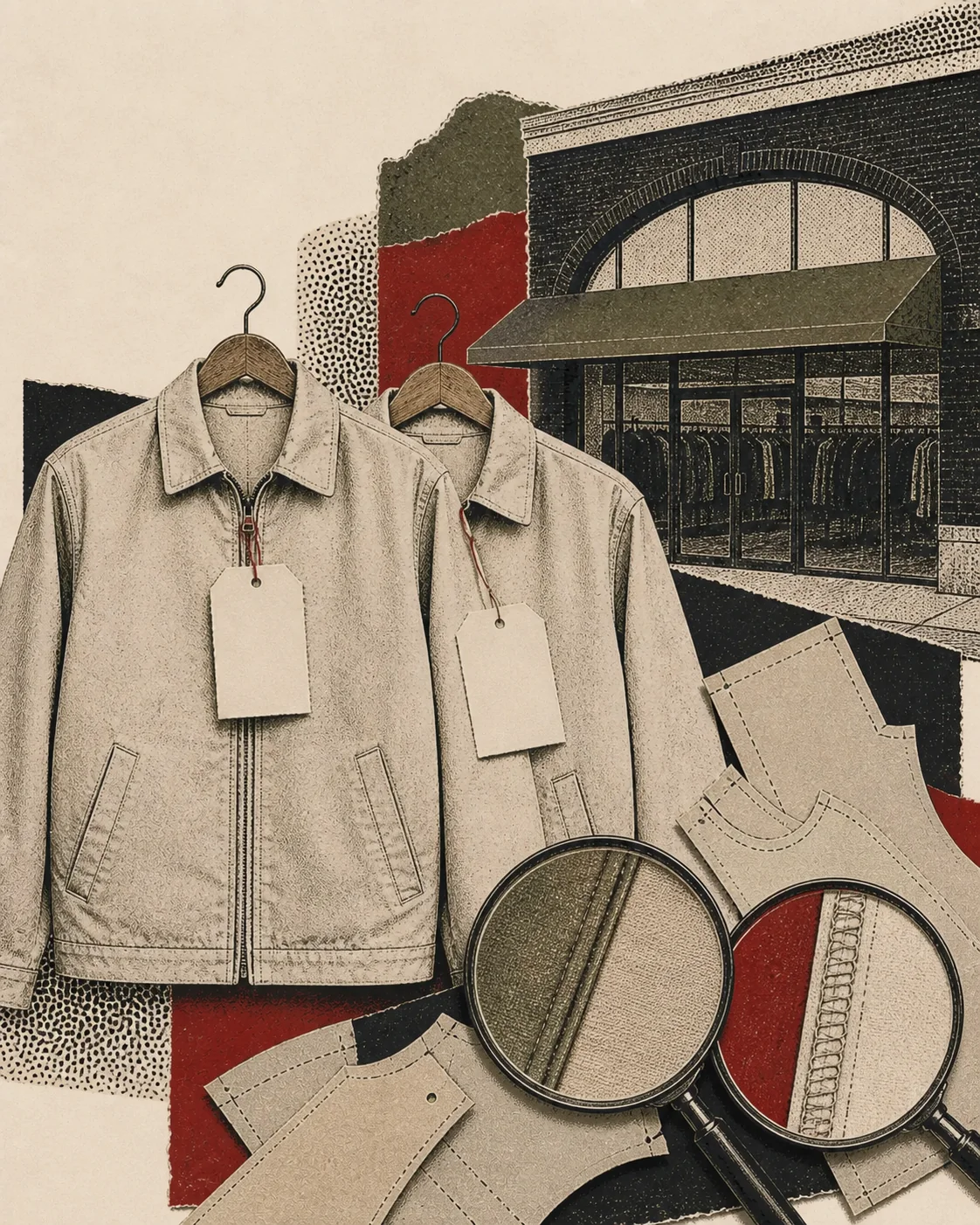
Most outlet clothing was never sold anywhere else
The rack says 60% off. Off of what, exactly, if the shirt never hung anywhere but this store?
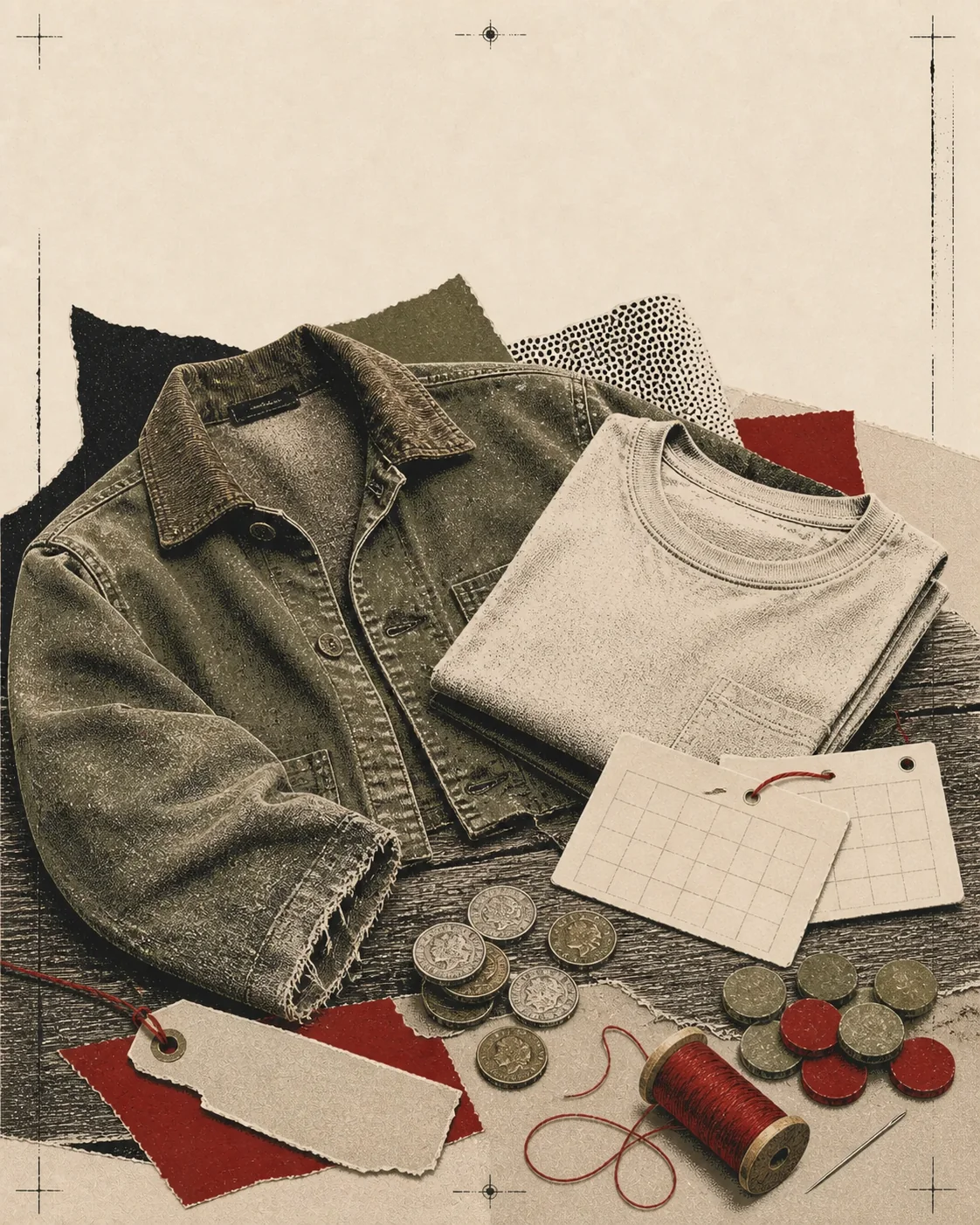
The cost per wear formula, and when it fails
Divide the price by the wears and a fourteen-dollar shirt can cost more than a thirty-four-dollar one. It can also cost less. The arithmetic decides, not the price tag.
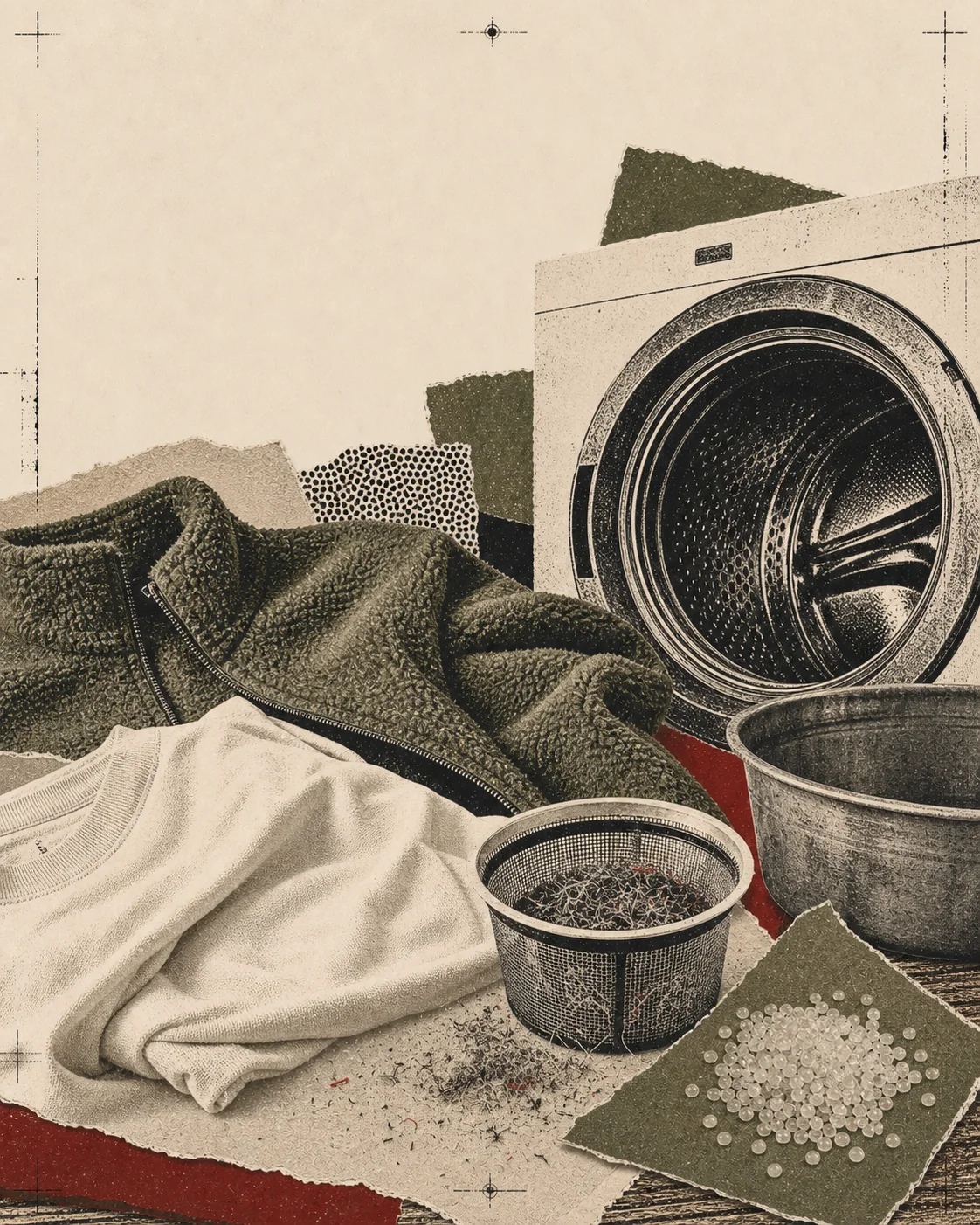
Do clothes release microplastics in the wash
One lab found 700,000 fibers in a single load. Another found a fraction of that from the same fabric. Both papers are real. Here is why they disagree.
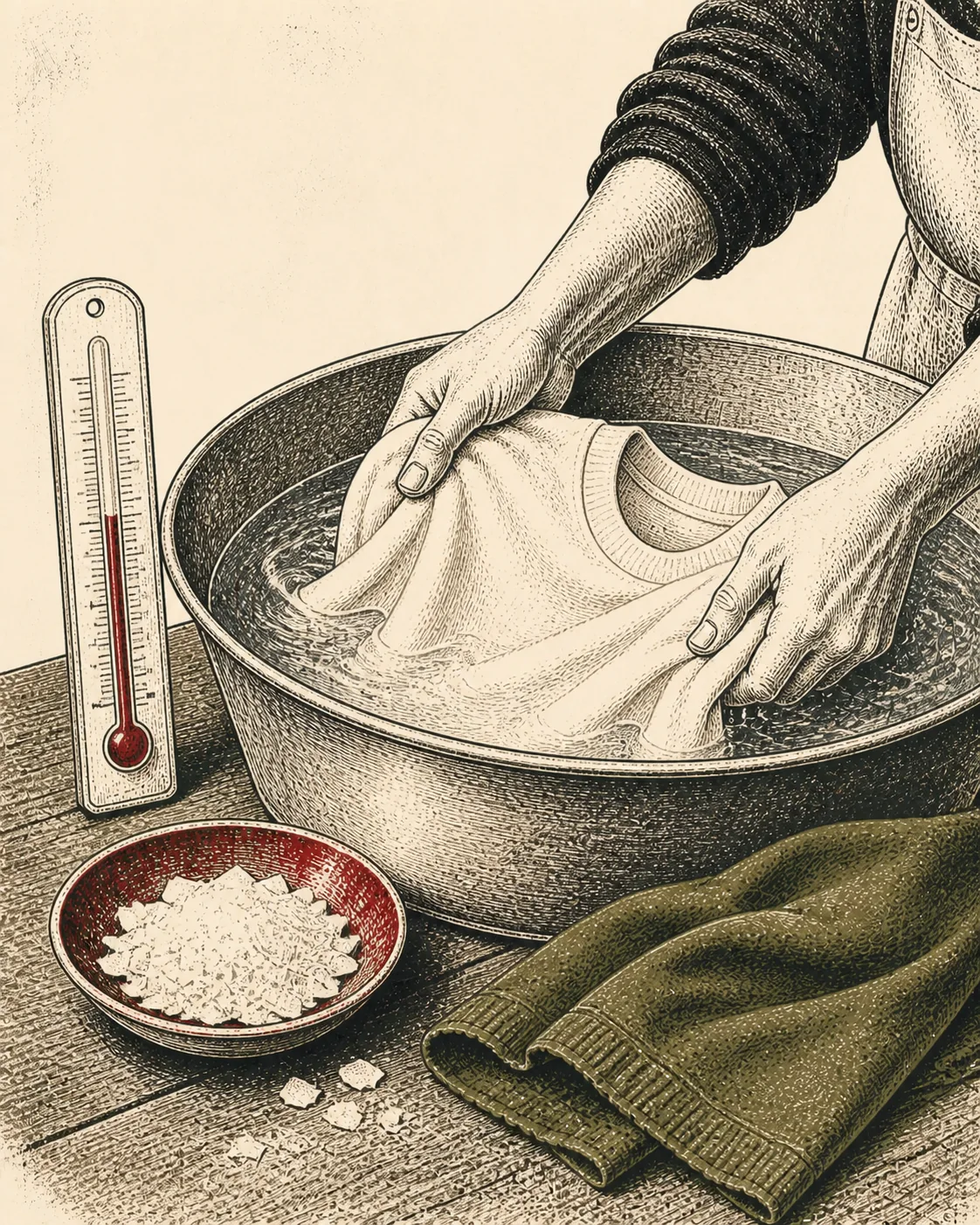
Does cold water actually clean clothes
The dial has three settings and one honest answer. Here is what heating the water actually buys you, and why it usually isn't worth it.
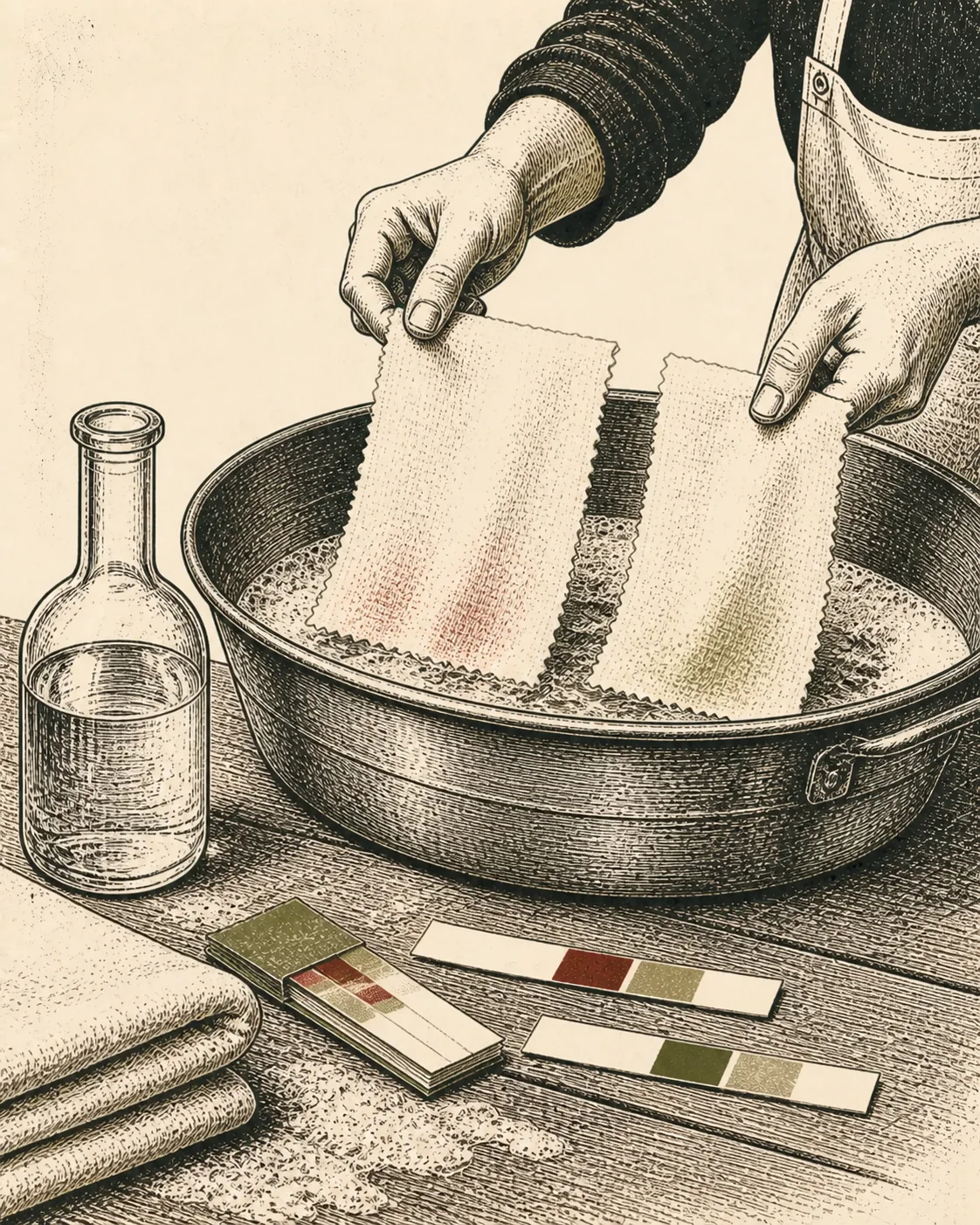
Does vinegar do anything in the laundry
Four claims, tested separately. One of them holds up. The other three ride along on a century of home-economics repetition with no test behind them.
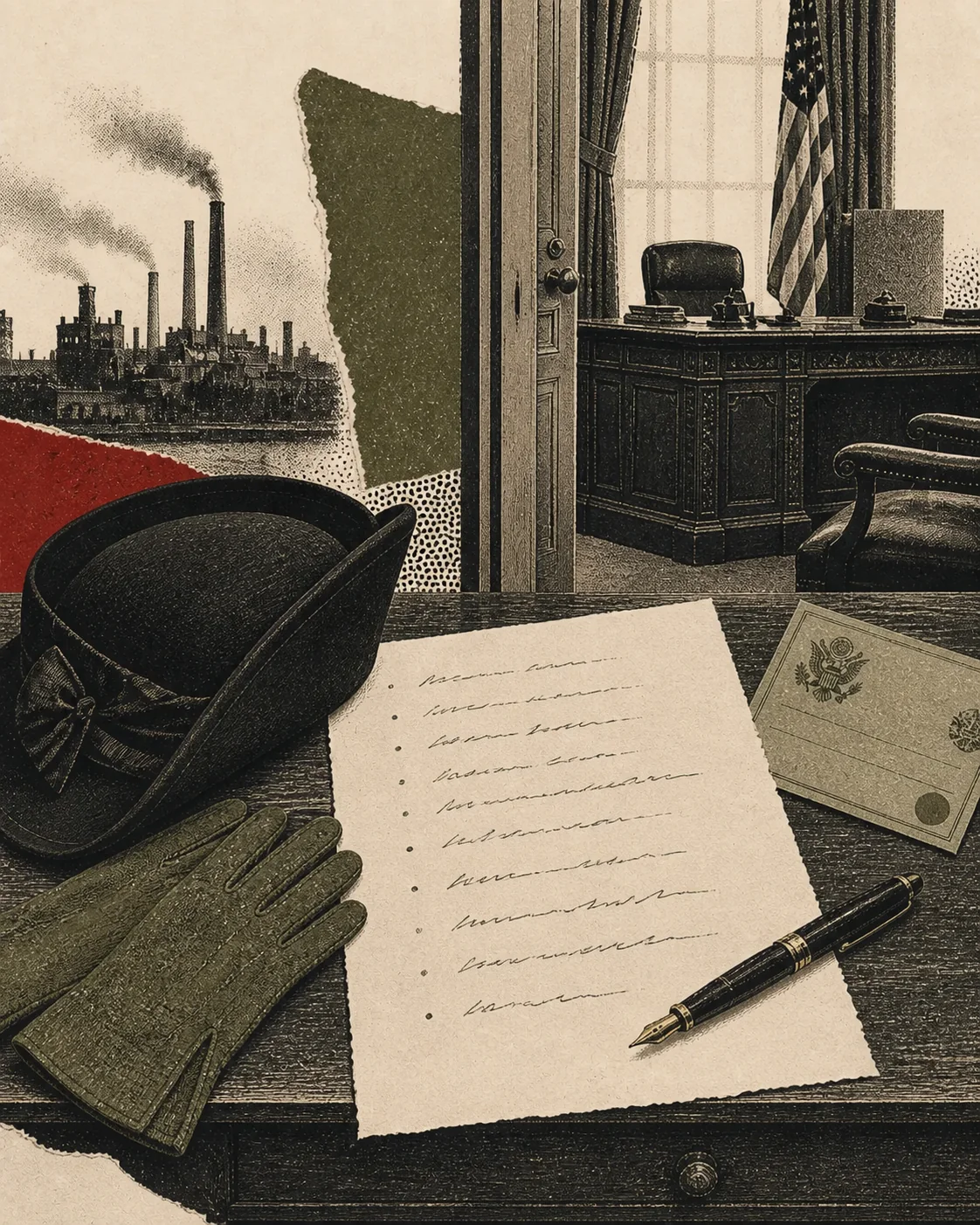
Frances Perkins and the list she handed Roosevelt
She is filed under Triangle fire witness who went into government. The more consequential fact is the list she wrote out before she would say yes.
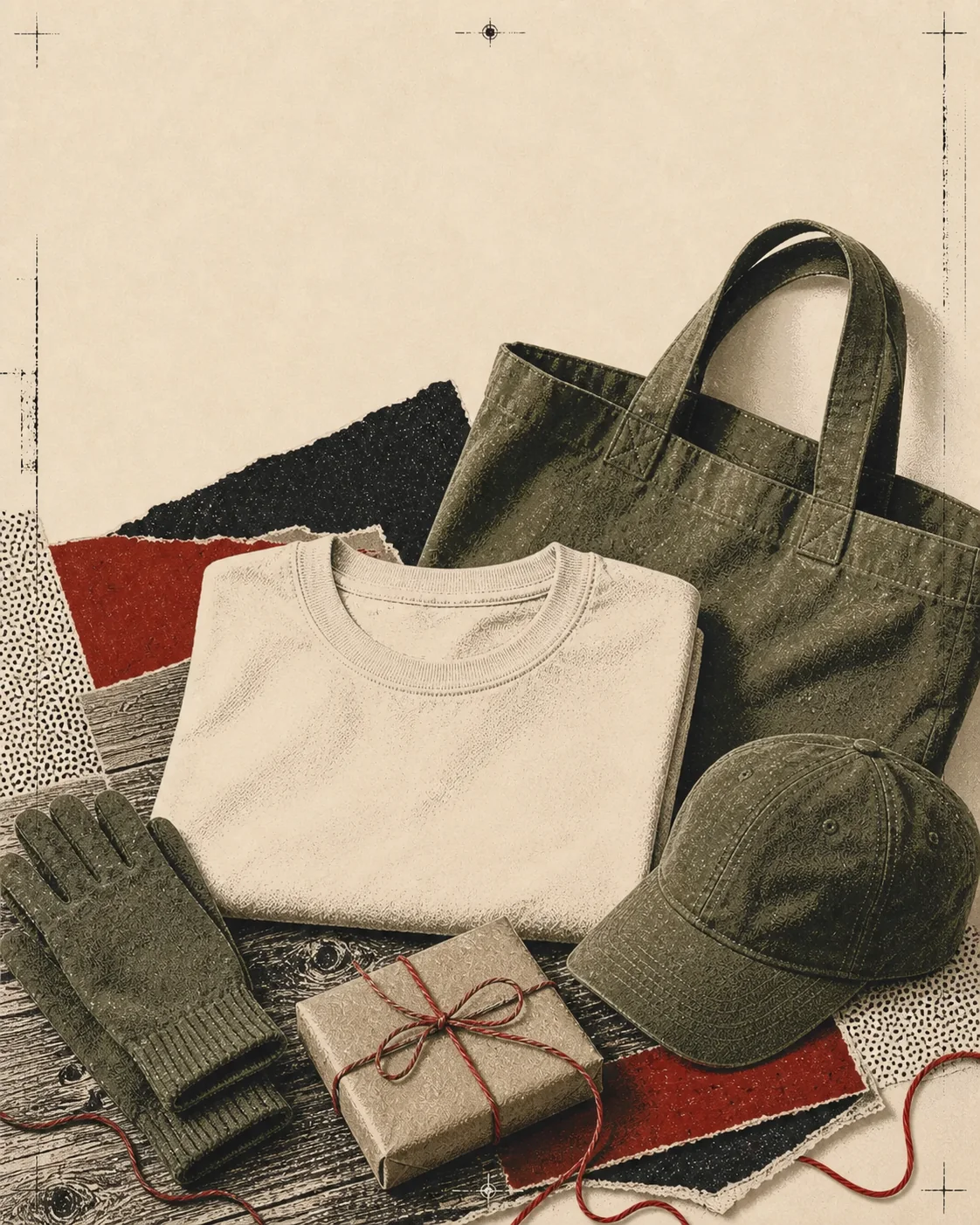
Gifts for the union member in your life
A short list, mostly things we don't sell, checked against the source that made each claim true the day this went up.
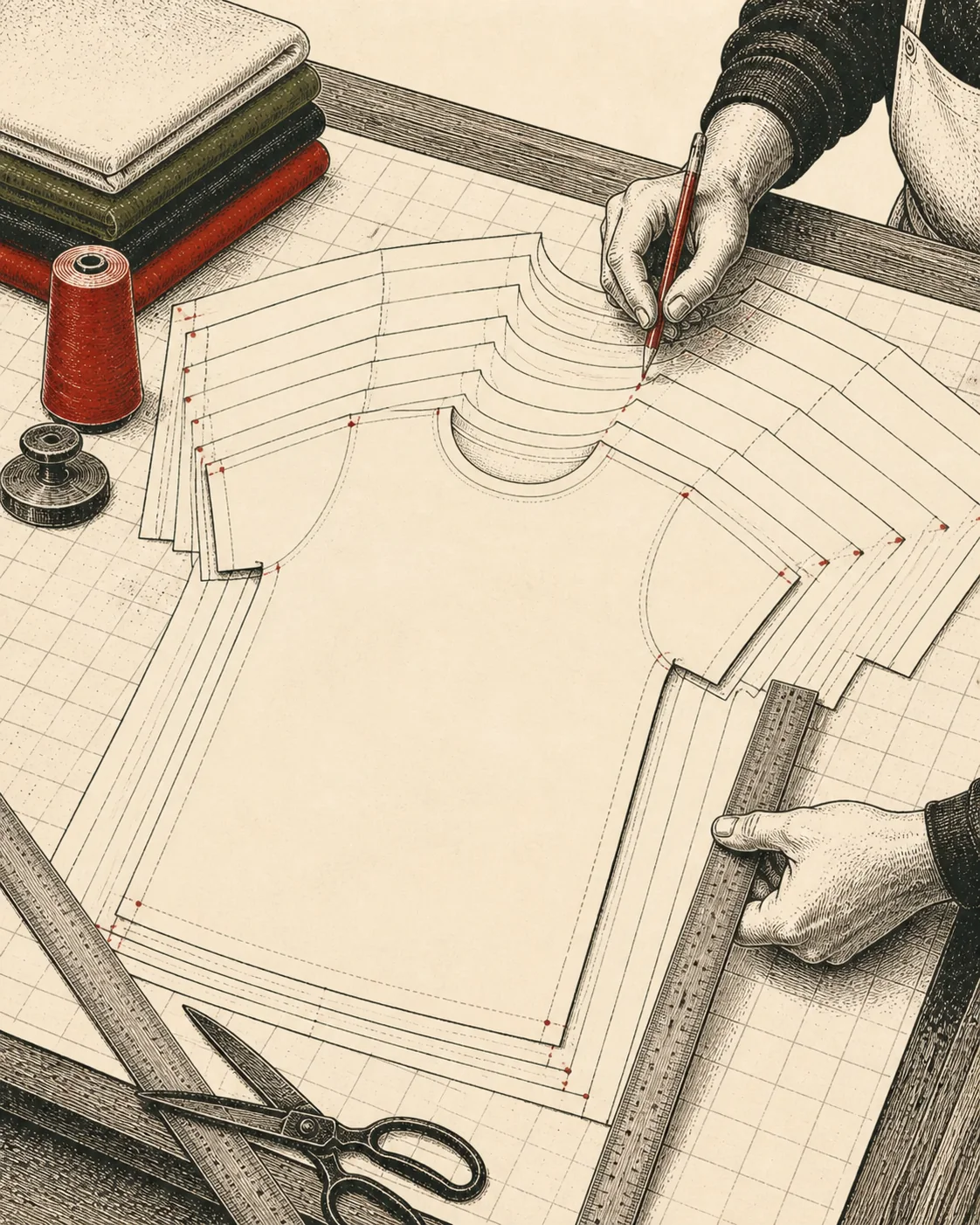
How a garment is graded across sizes
One pattern, one body, and then a set of rules for every size that isn't that body. The pattern room calls the compromise grading.
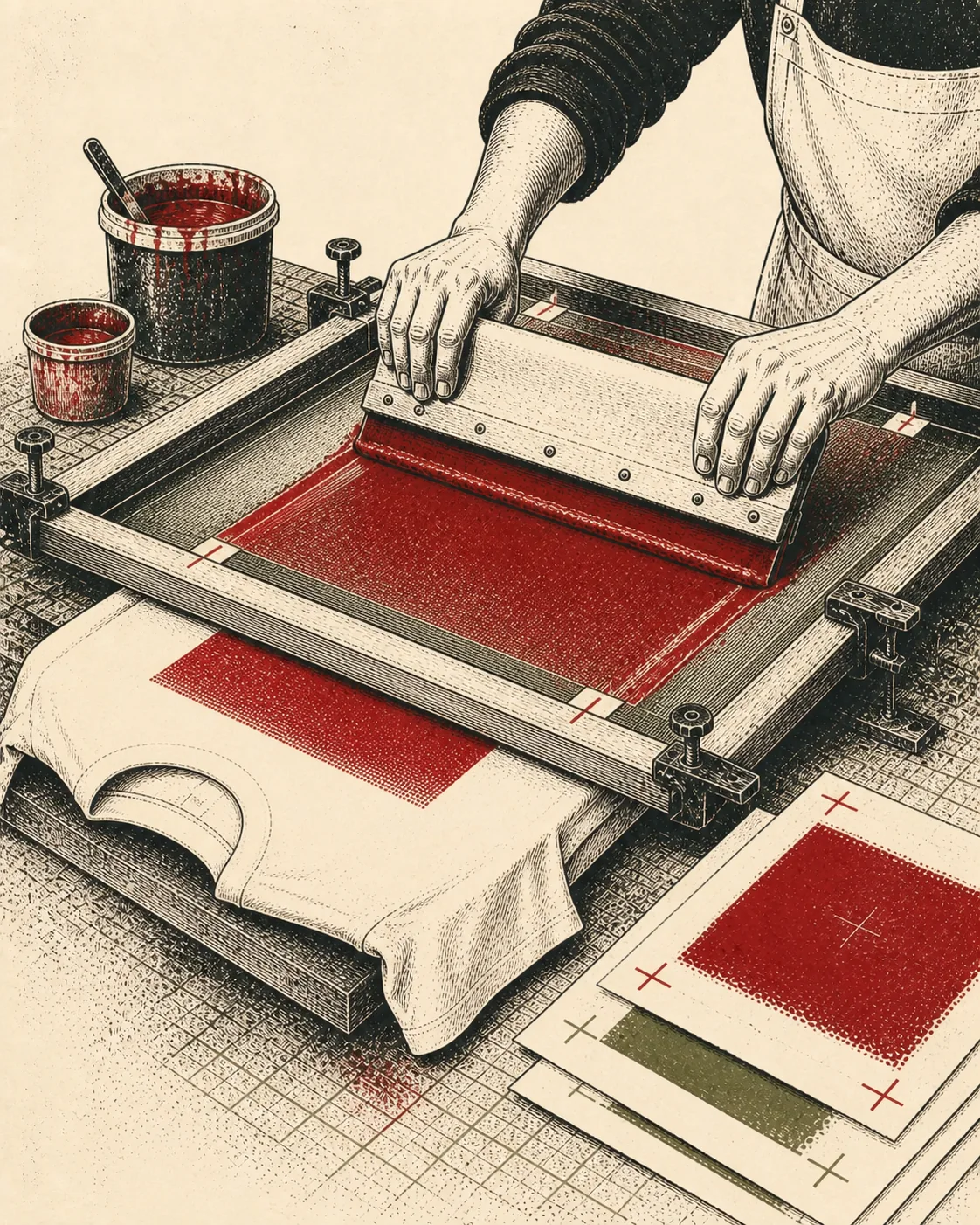
How a screen print is made
A screen print is a stencil, a squeegee, and about eight places where craft decides whether the shirt lasts. The whole process, start to cure.
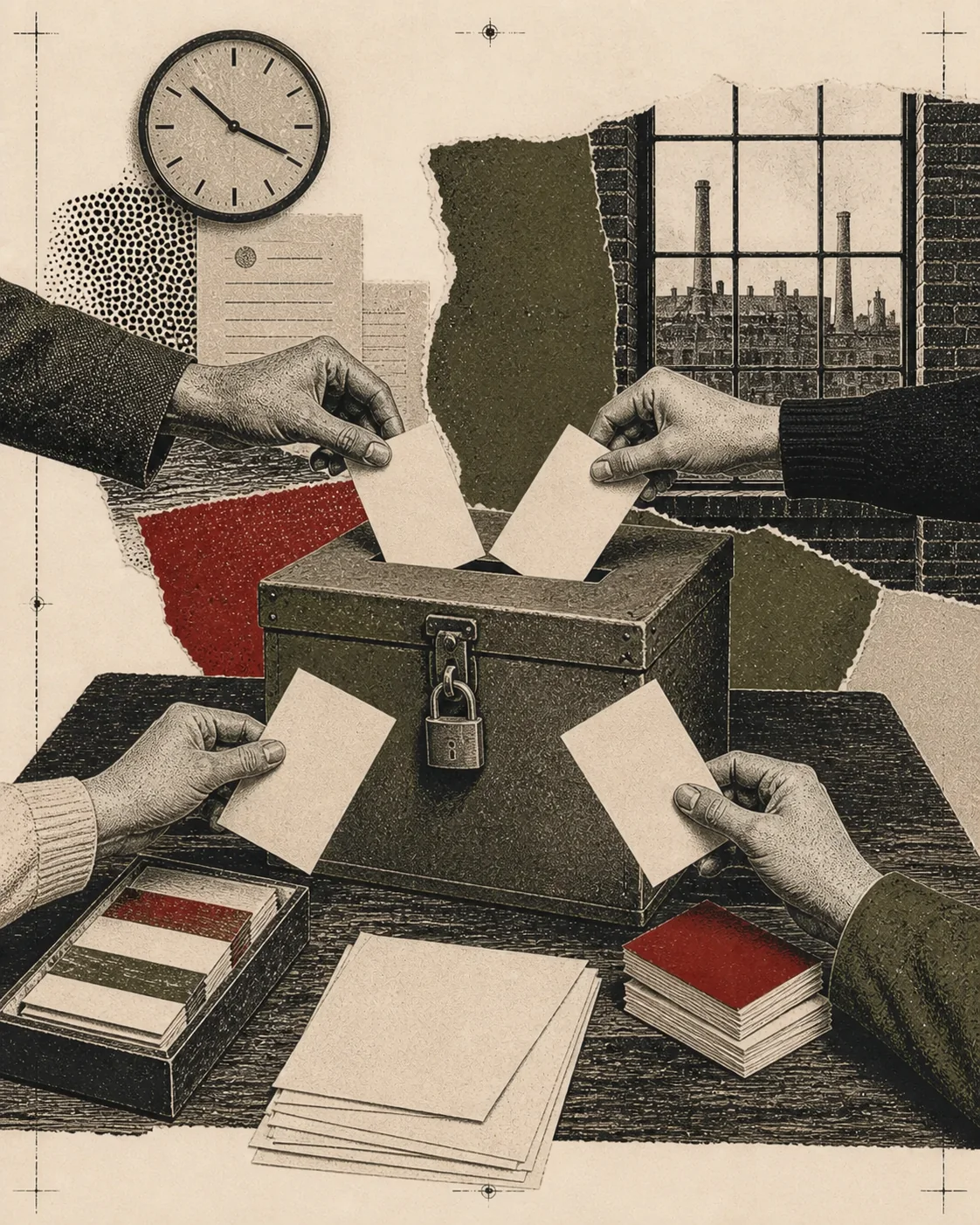
How a union election actually works
The law gives the process a shape. Here is the shape, the numbers, and the point where most campaigns actually stall.
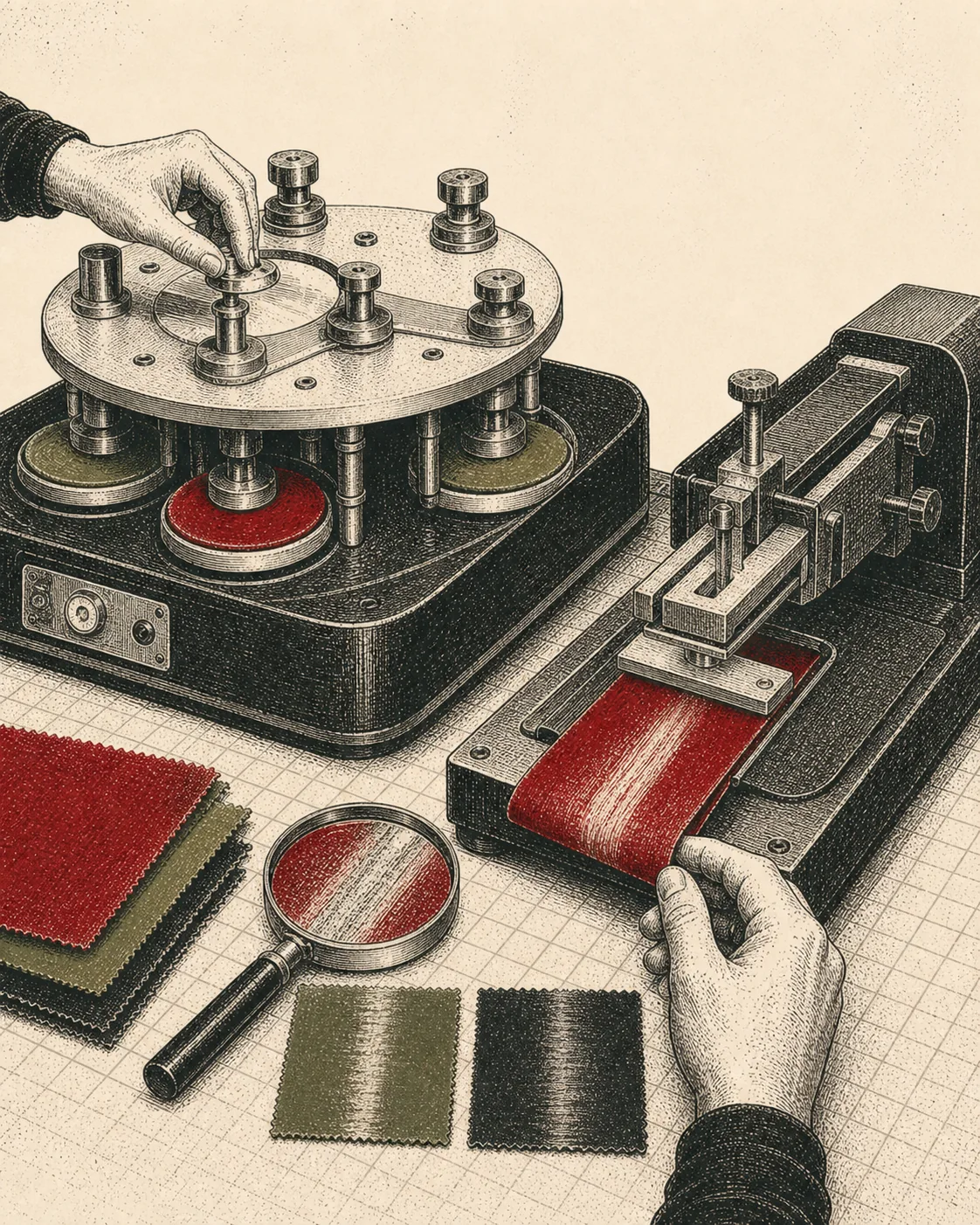
How fabric durability is actually measured
Upholstery fabric ships with a rub count on the label. A t-shirt almost never does, and the reason isn't that nobody knows how to test it.
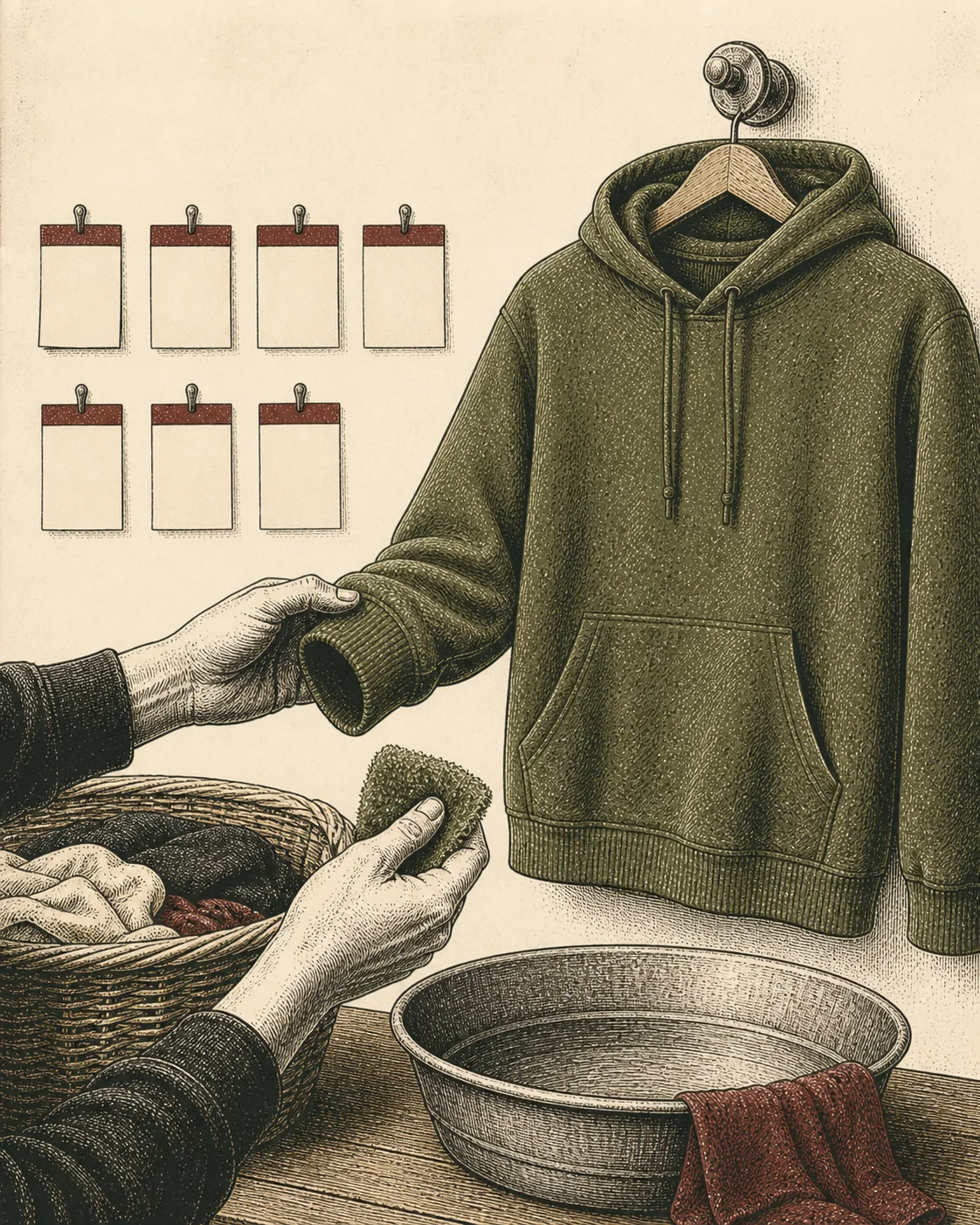
How often should you wash a hoodie
The washing machine is the hardest thing your hoodie will ever go through. Here is how rarely it actually needs to face it.
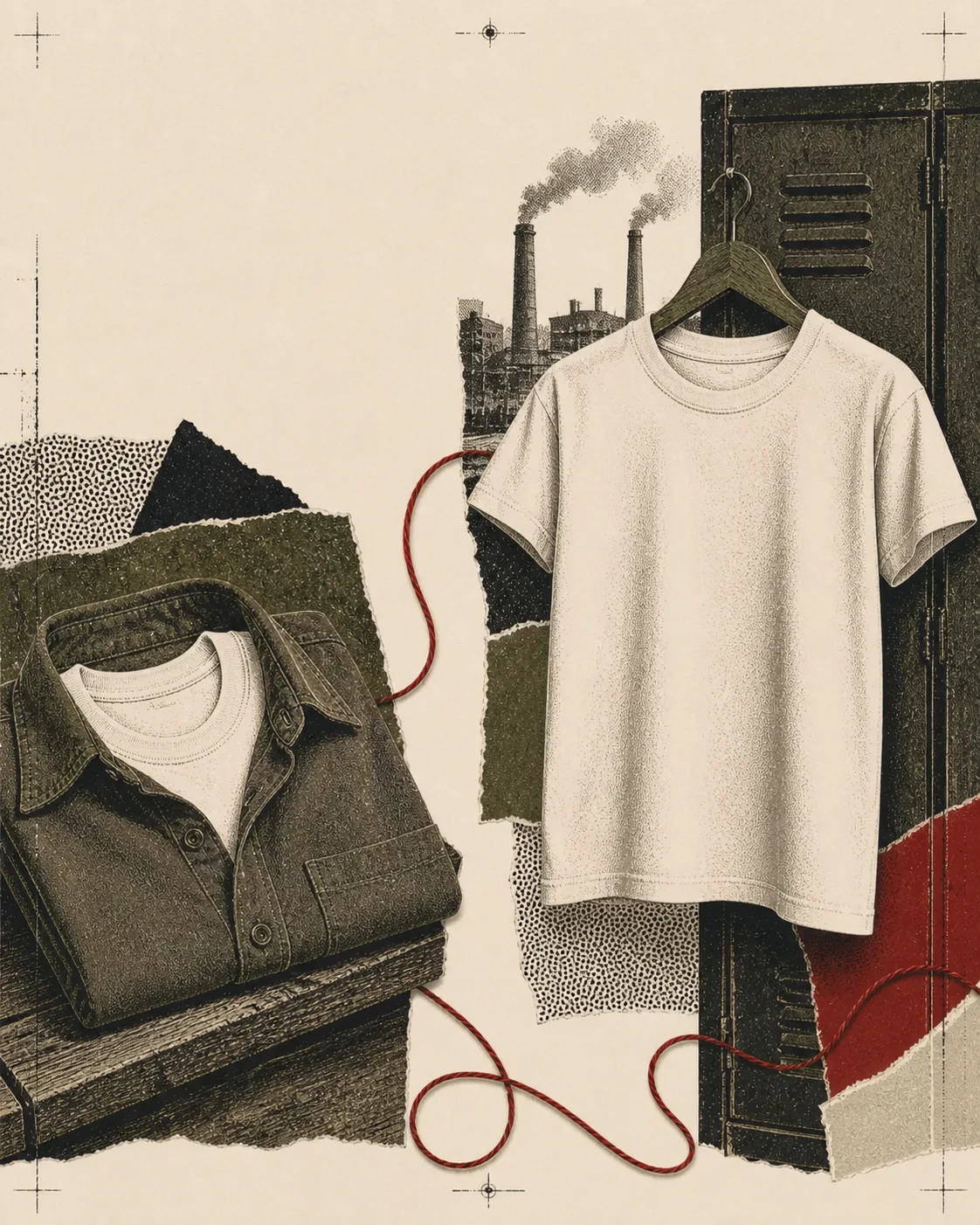
How the white t-shirt stopped being underwear
A sailor's undershirt, a Sears catalog page, and two men leaning on a car: how a garment nobody was meant to see became the thing everyone wanted to wear.
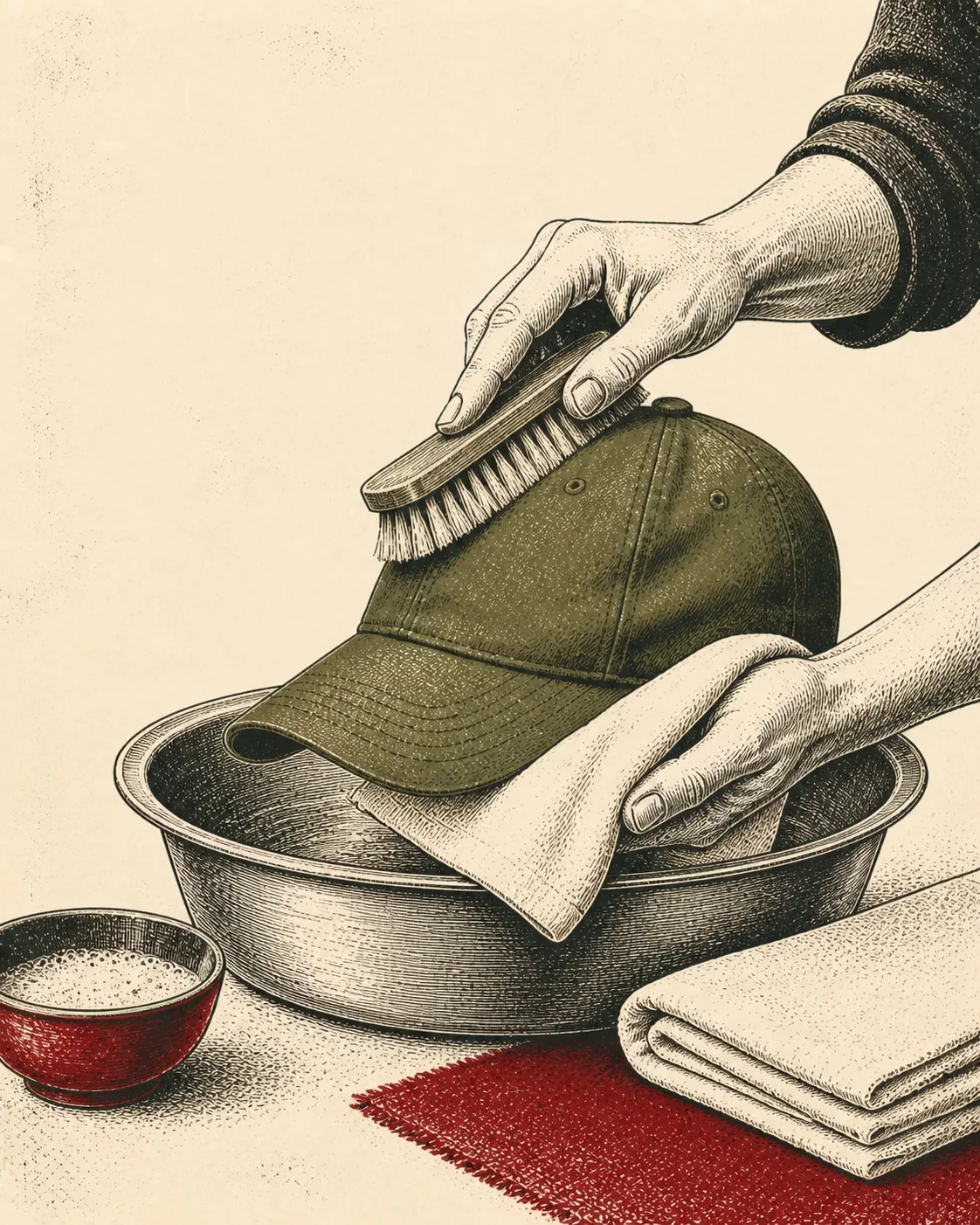
How to clean a baseball cap without wrecking it
A cap only gets one shape. How to clean sweat and dirt out of cotton twill without ever finding out what a washing machine does to a brim.
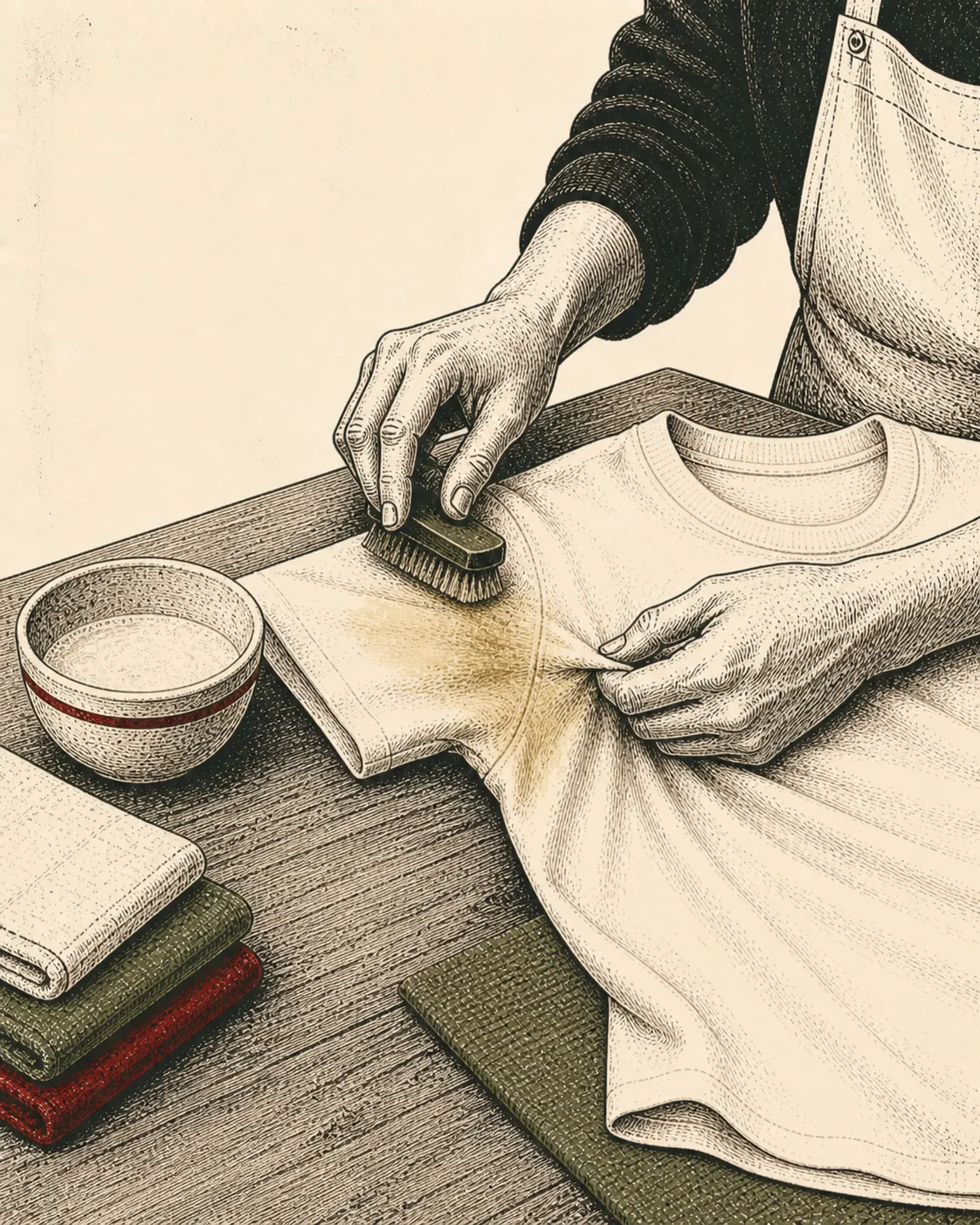
How to get yellow armpit stains out
The stain is a small chemistry experiment your antiperspirant runs on your shirt every day, and there is a right order to undo it.
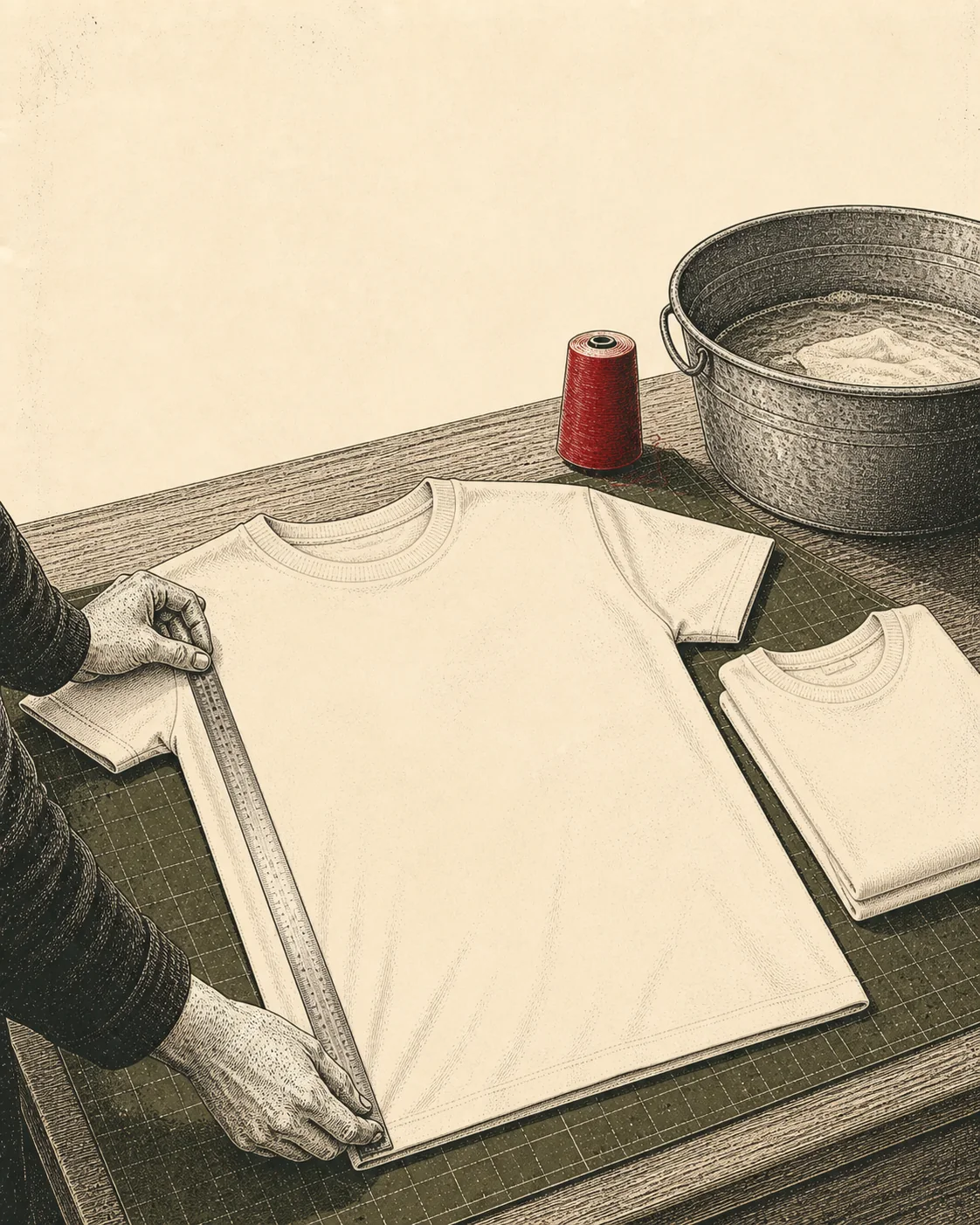
How to keep a t-shirt from shrinking
A dryer doesn't cook a shirt smaller. It finishes a process the knitting machine started, and there is a window to stop it.
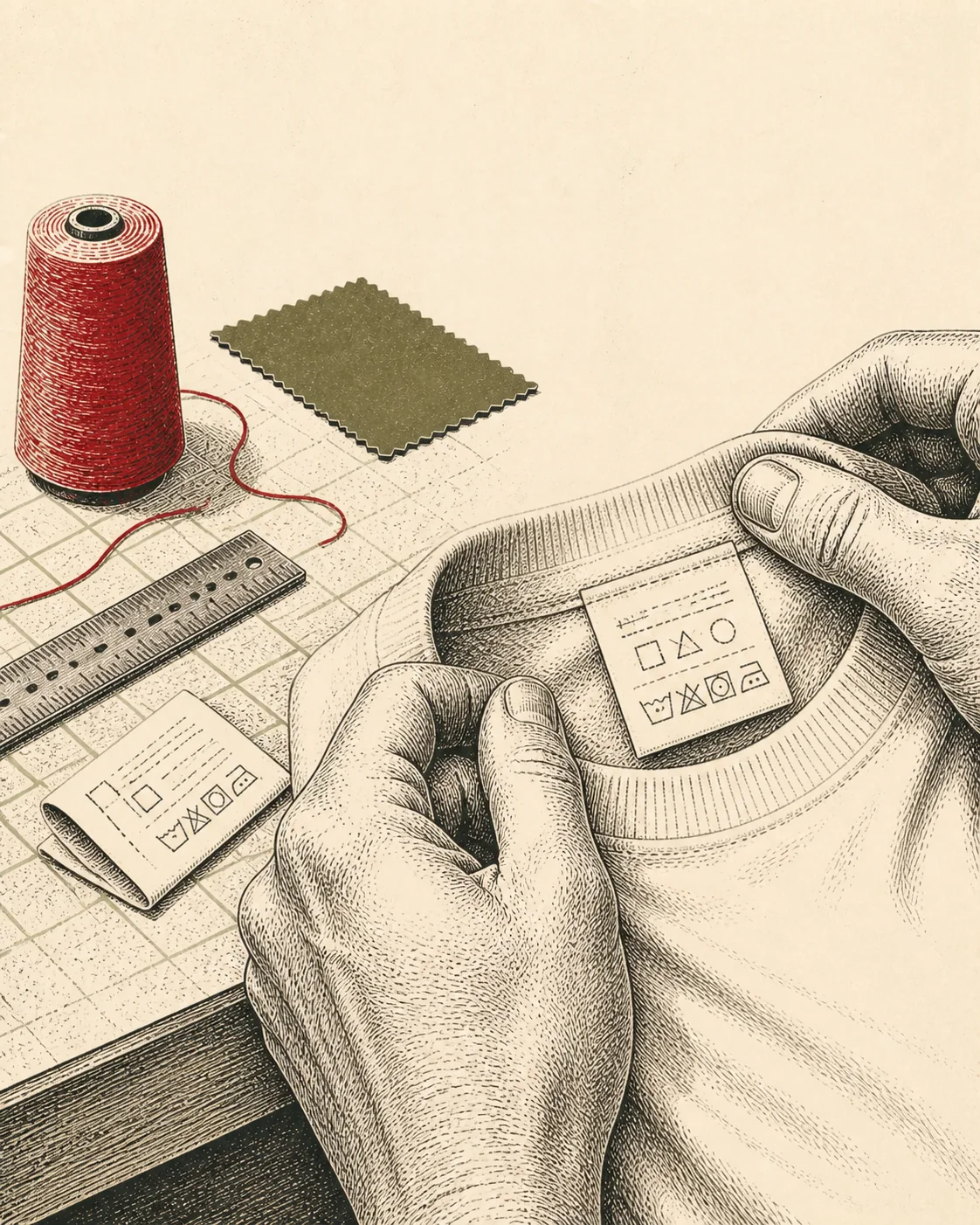
How to read a clothing tag
Six words on a tag are the law. Everything else stitched next to them is a sales pitch wearing the law's clothes.
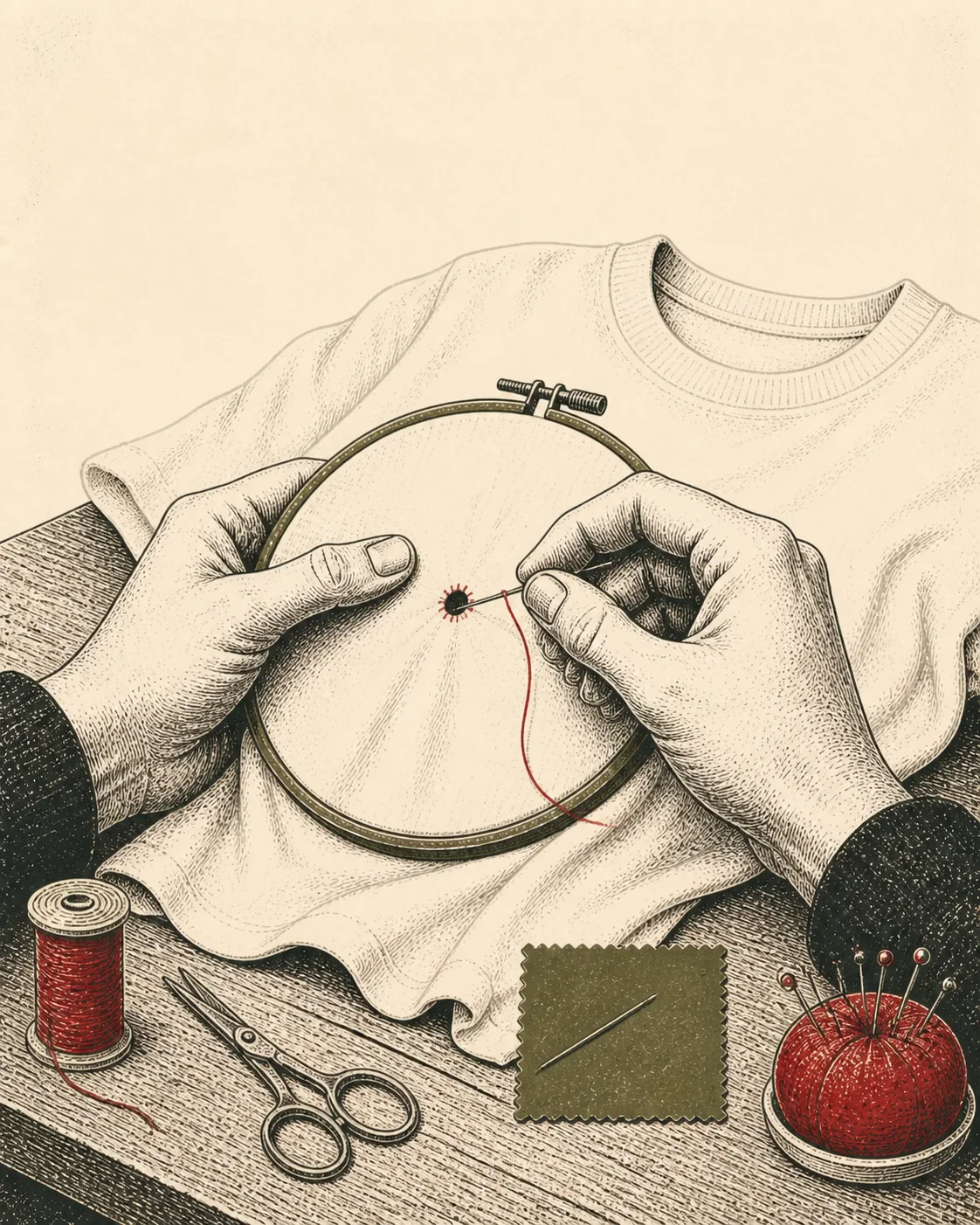
How to fix a small hole in a t-shirt
The hole is the point where you decide how much of the repair you want to show.
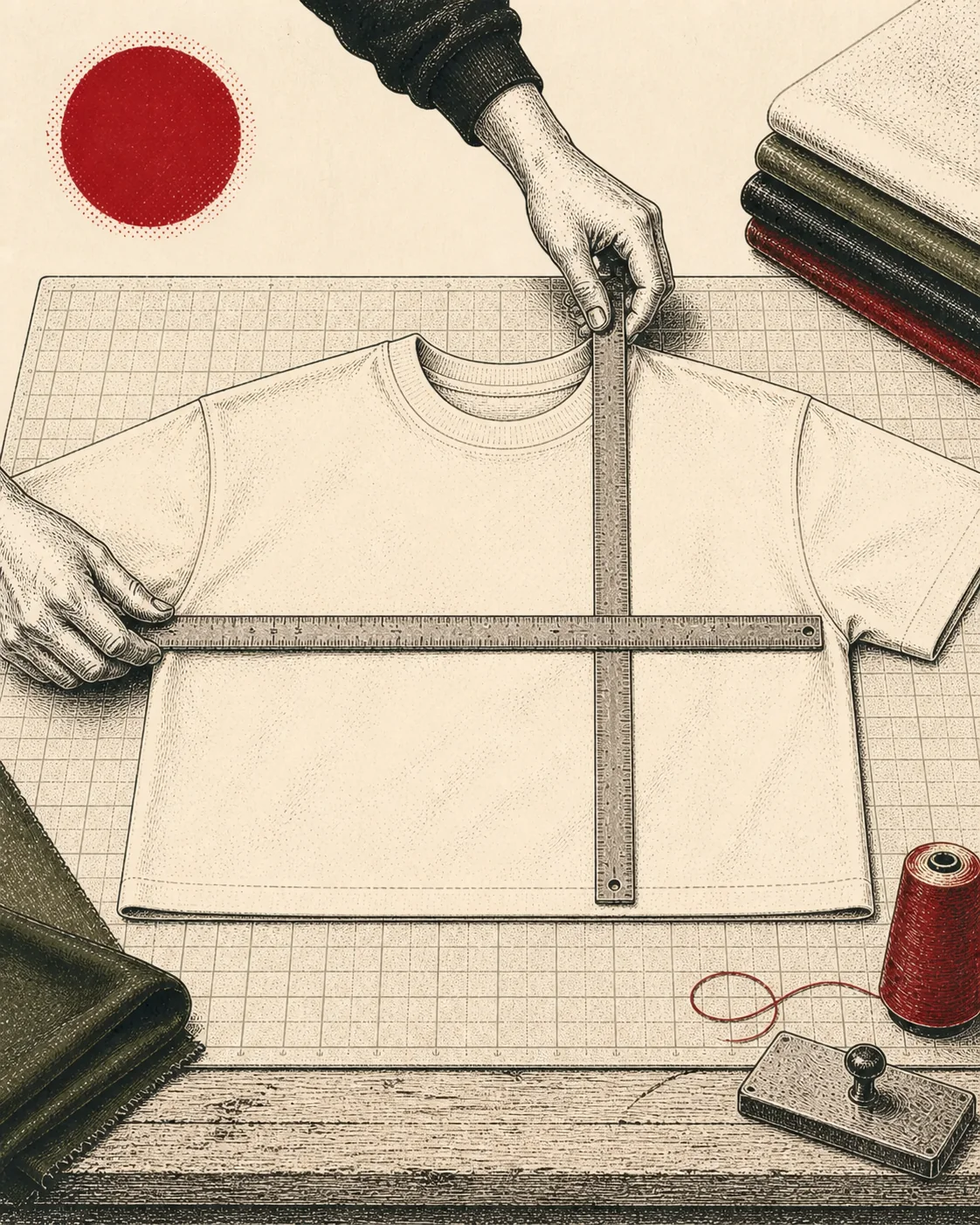
How to size a boxy tee
The fastest way to get a boxy tee right has nothing to do with the letter on the tag. It's a tape measure and a shirt already in your closet.
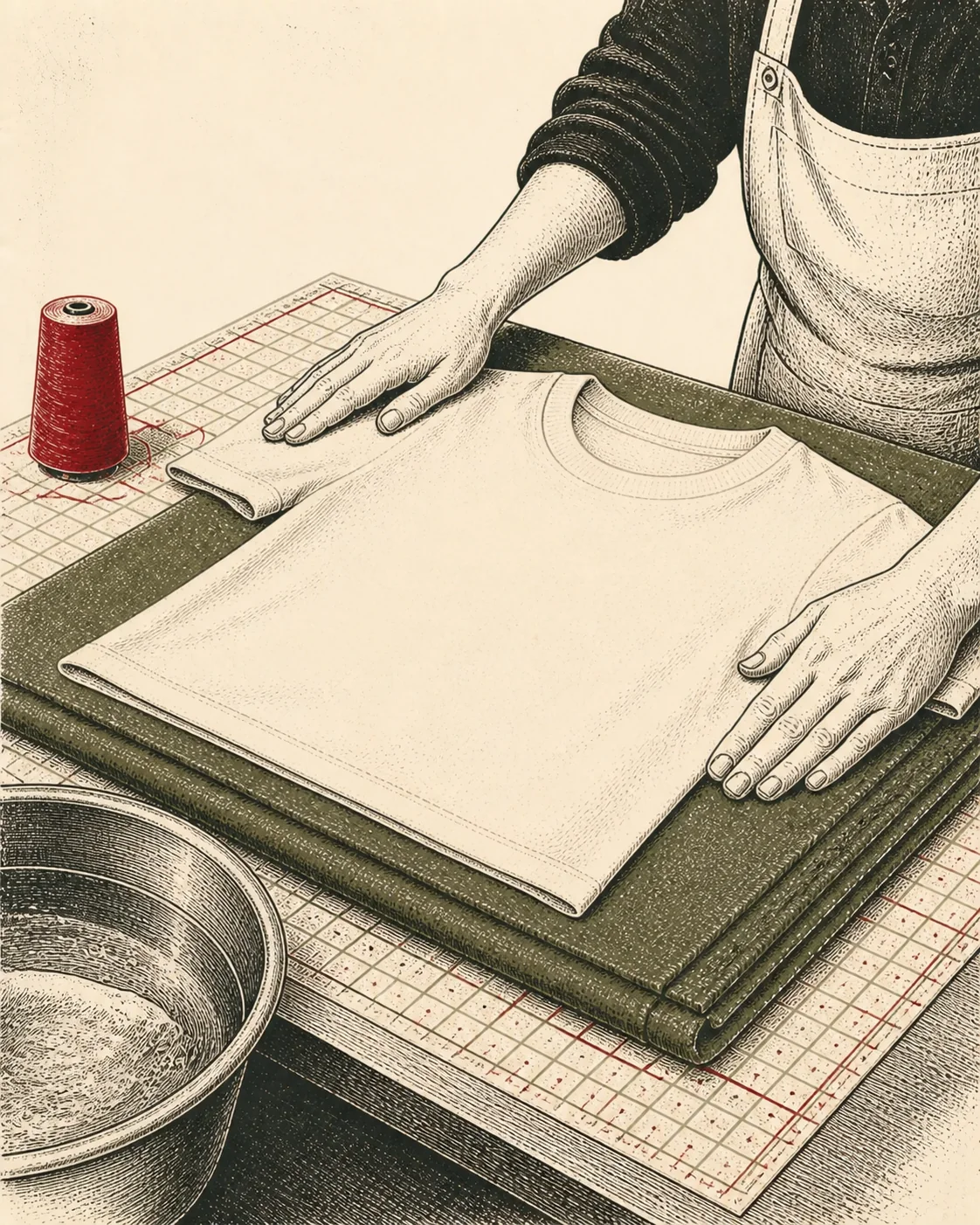
How to unshrink a shirt
A tablespoon of conditioner, a sink of lukewarm water, and twenty minutes of patient stretching. It will not undo a shirt that spent an hour in a hot dryer, but it gets close.
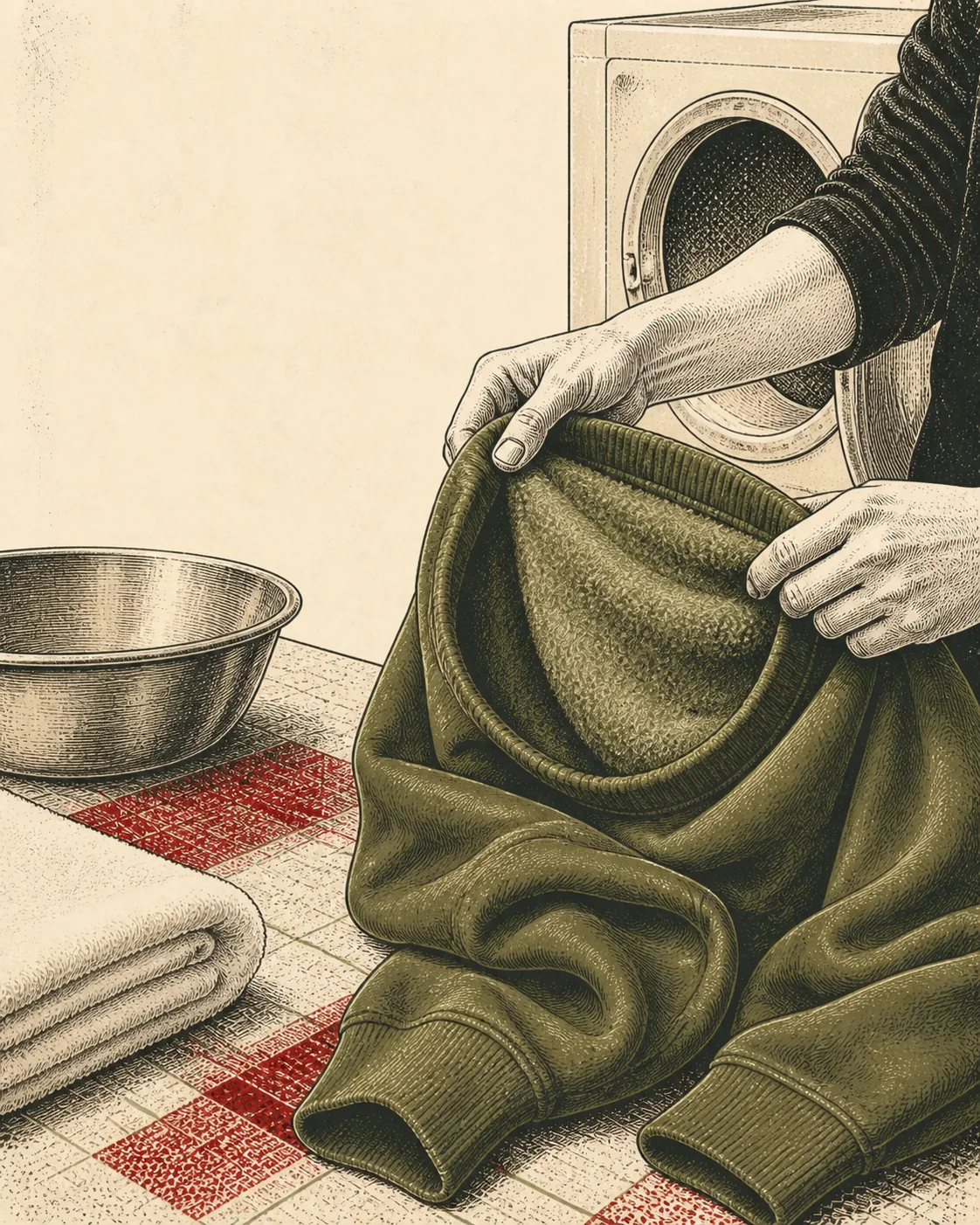
How to wash a hoodie without wrecking it
Fleece dies in one of two ways. Here is the wash routine that keeps both from happening, and the mechanics behind why it works.
Is wearing a political shirt protected speech
A jacket in a Los Angeles courthouse and an armband in a Des Moines classroom built the law that covers your shirt. Neither case covers your boss.
Is dry clean only ever a lie
The label only has to survive one test, not every test a garment could pass. That single legal detail changes how you should read it.
Is fashion really the second most polluting industry
Reporters have chased this statistic to its source three separate times and come back empty-handed. The real numbers didn't need the ranking to be damning.
Is the dryer ruining your clothes
That gray fluff in the trap is your shirt. Here is the study that proved it, and the arithmetic on skipping the machine.
Justice for Janitors and the fight over who counts as your boss
The footage from Century City is the part everyone remembers. The part that still runs the labor movement's playbook is who the union refused to negotiate with.
Lewis Hine and the photographs that helped end child labor
A sociologist talked his way past foremen with a hidden camera and a notebook in his pocket, and the pictures he brought back did what a decade of pamphlets could not.
Look for the union label: a history
Before ethical-consumption apps, there was a stitched tag and a jingle the whole country could hum. The union label's long career.
Mother Jones and the march of the mill children
Some of the children could not close their hands all the way. Jones walked them ninety miles anyway, past a president who never answered.
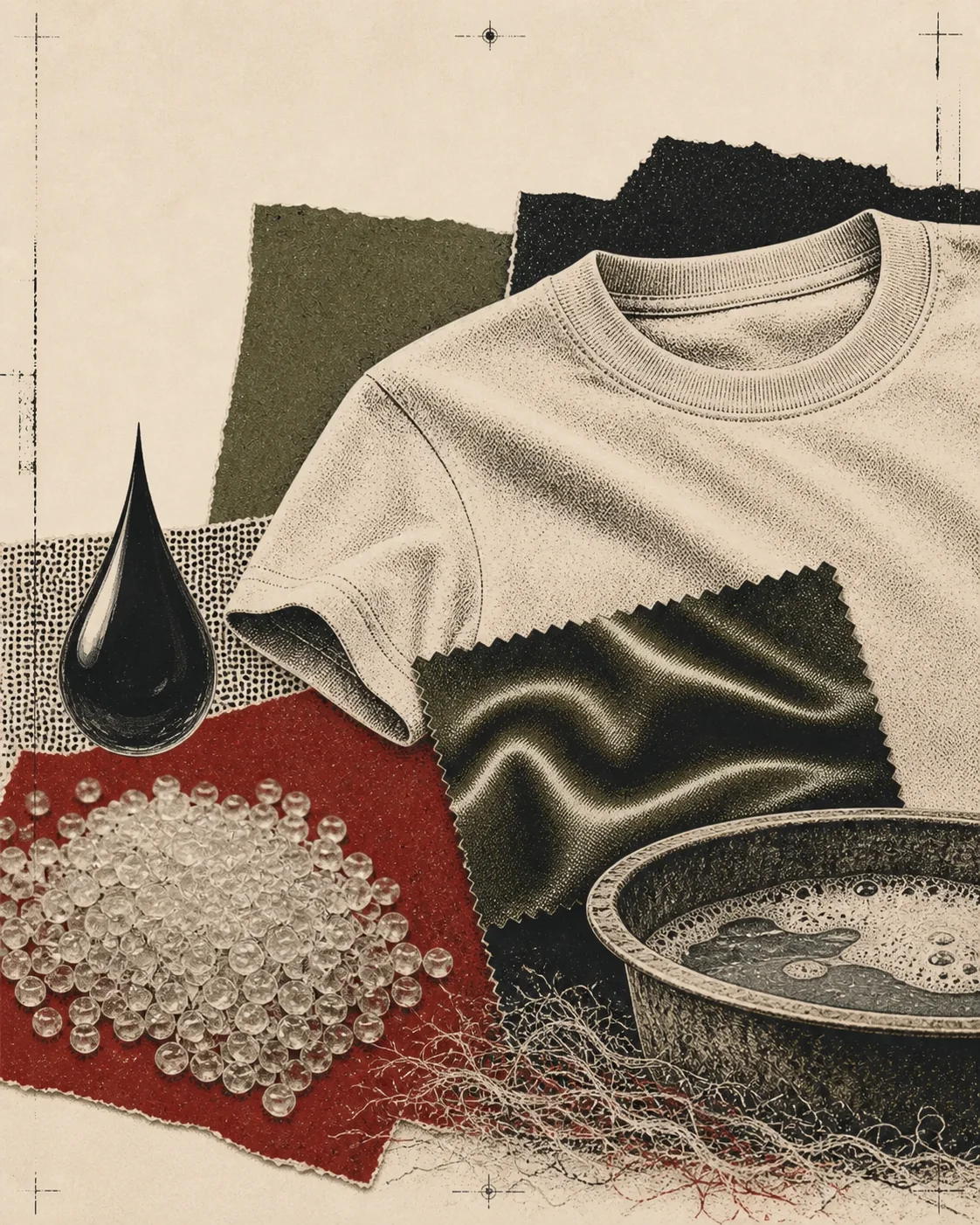
Is polyester plastic
A polyester shirt and a two-liter bottle are the same molecule, spun instead of blown. That fact explains more about your closet than any care label does.
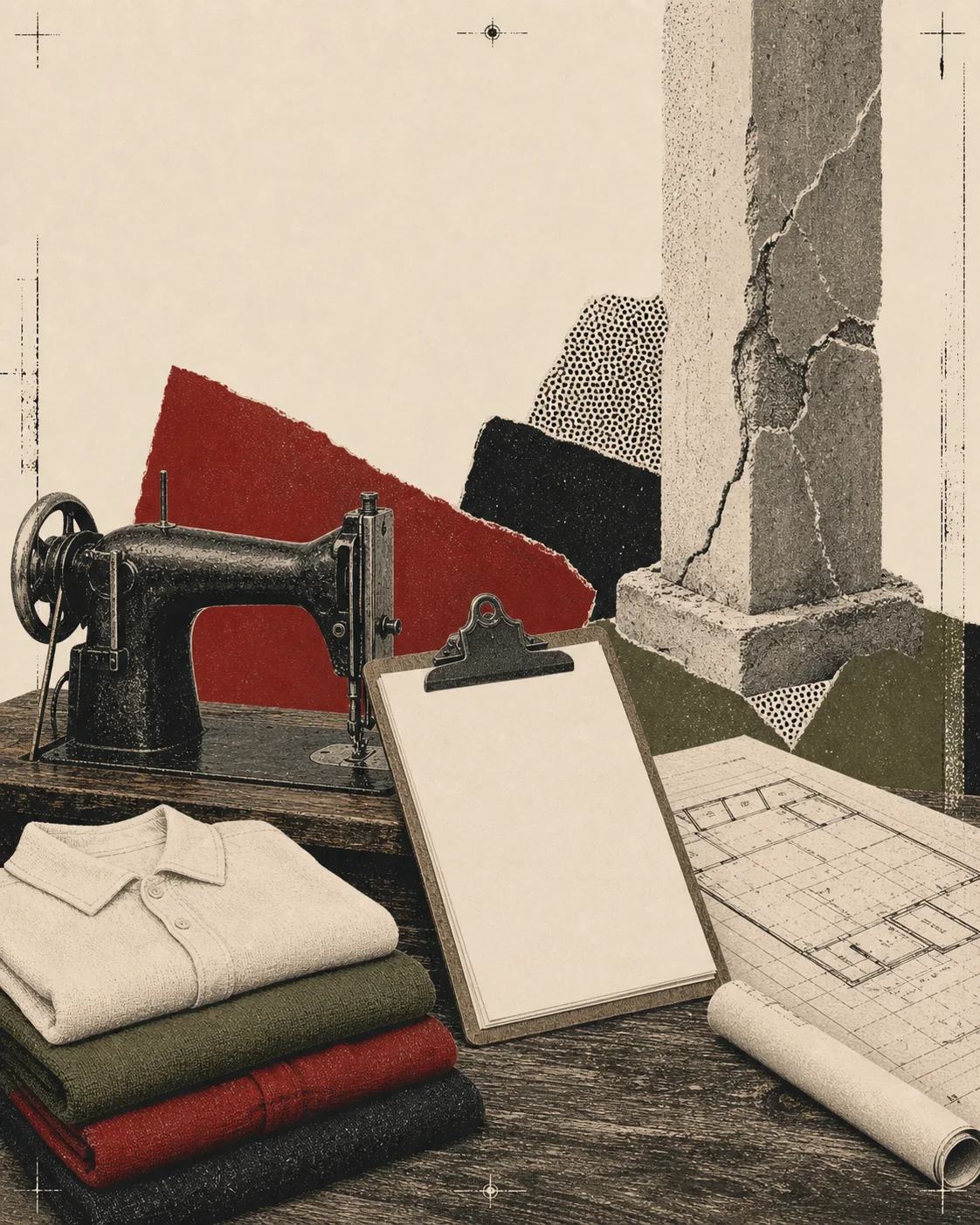
Rana Plaza and what actually changed
A building in Dhaka collapsed because cracks in the concrete were ignored overnight. What came after is one of the rare labor agreements with real enforcement behind it.
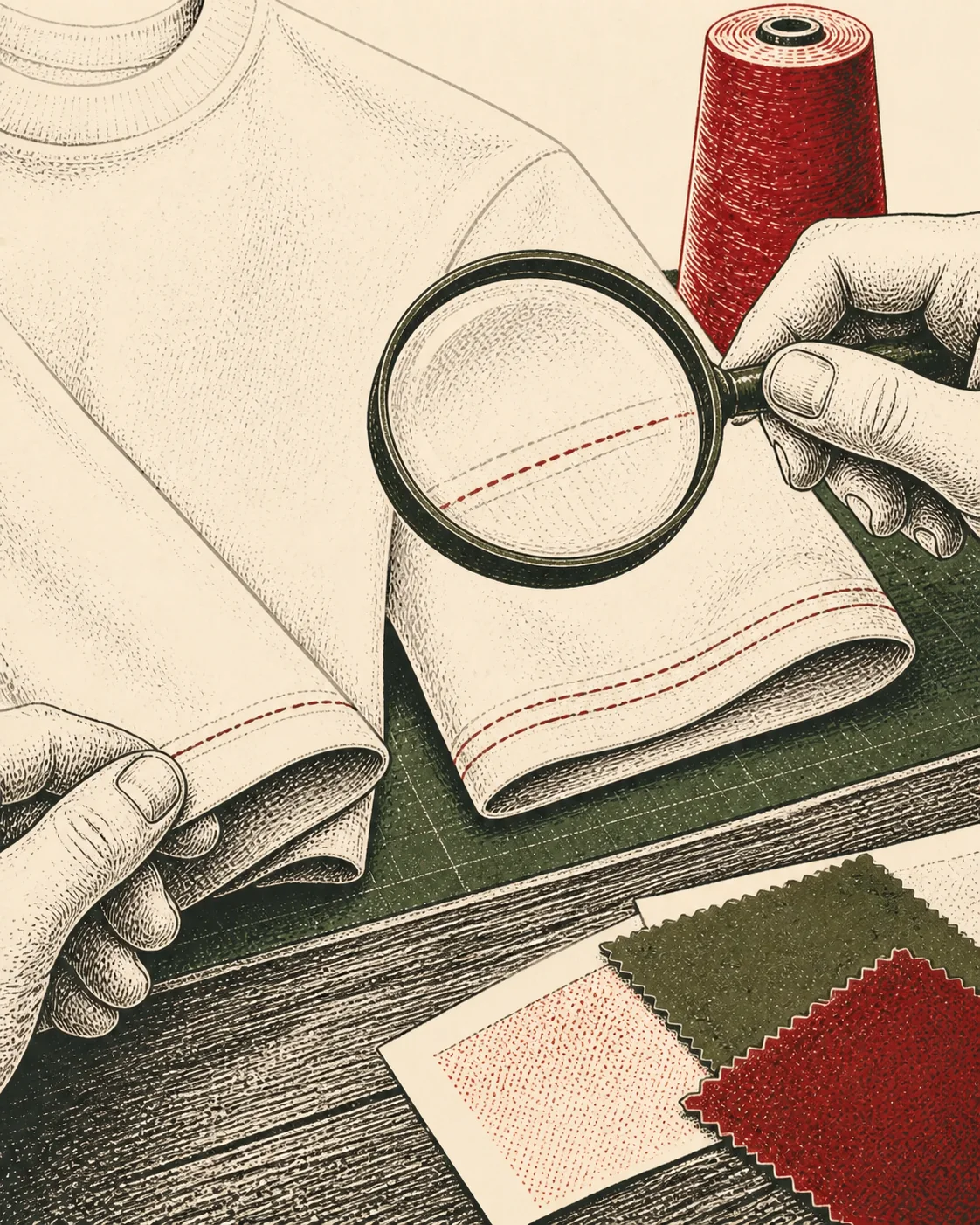
What a single stitch t-shirt actually tells you
Flip the hem over. One line of thread means one thing to a collector and something more specific to a machine operator: time.
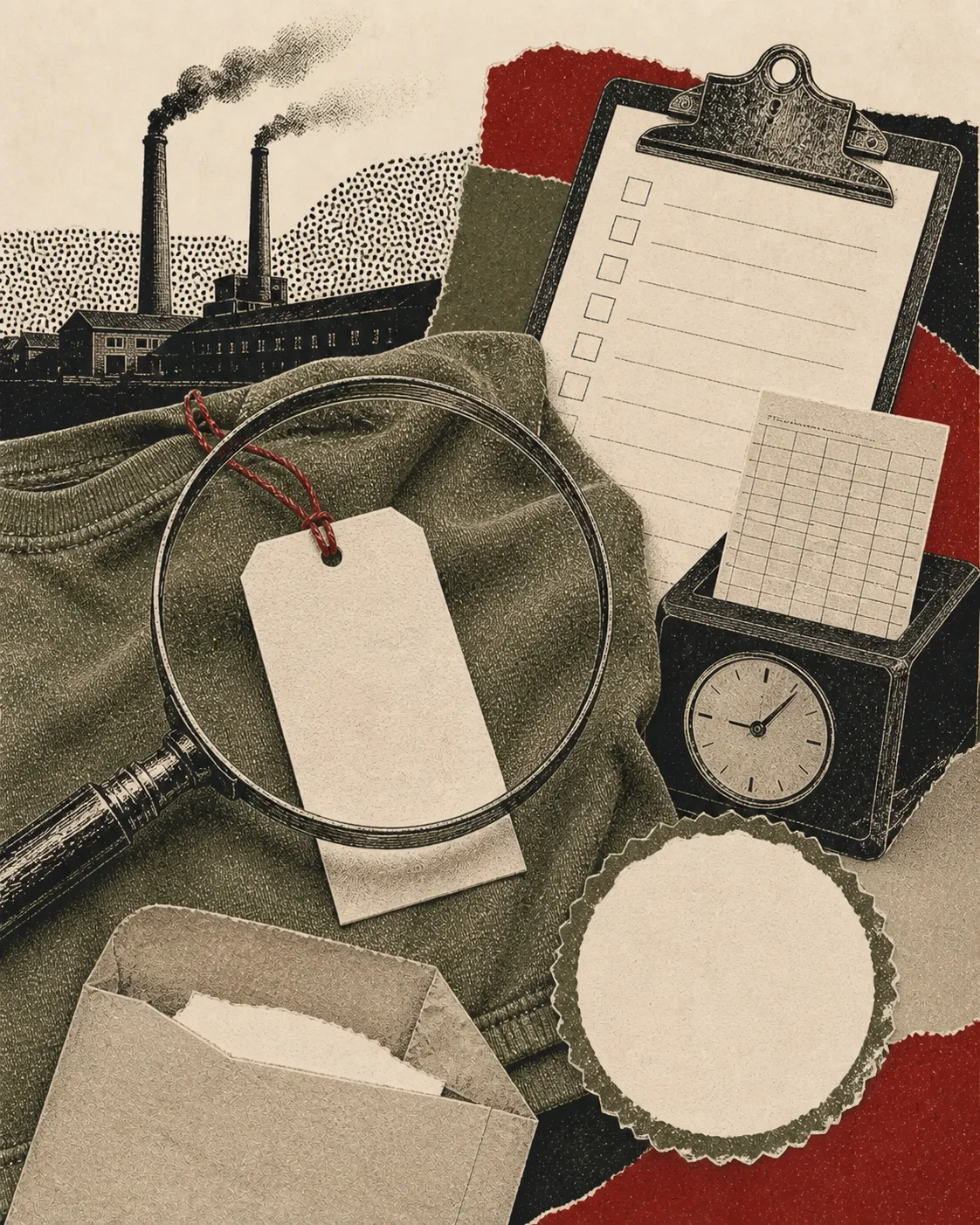
Sweatshop-free does not mean anything
A hangtag can say sweatshop-free and mean whatever the printer wanted it to mean. Nobody has to check, because nobody has the authority to.
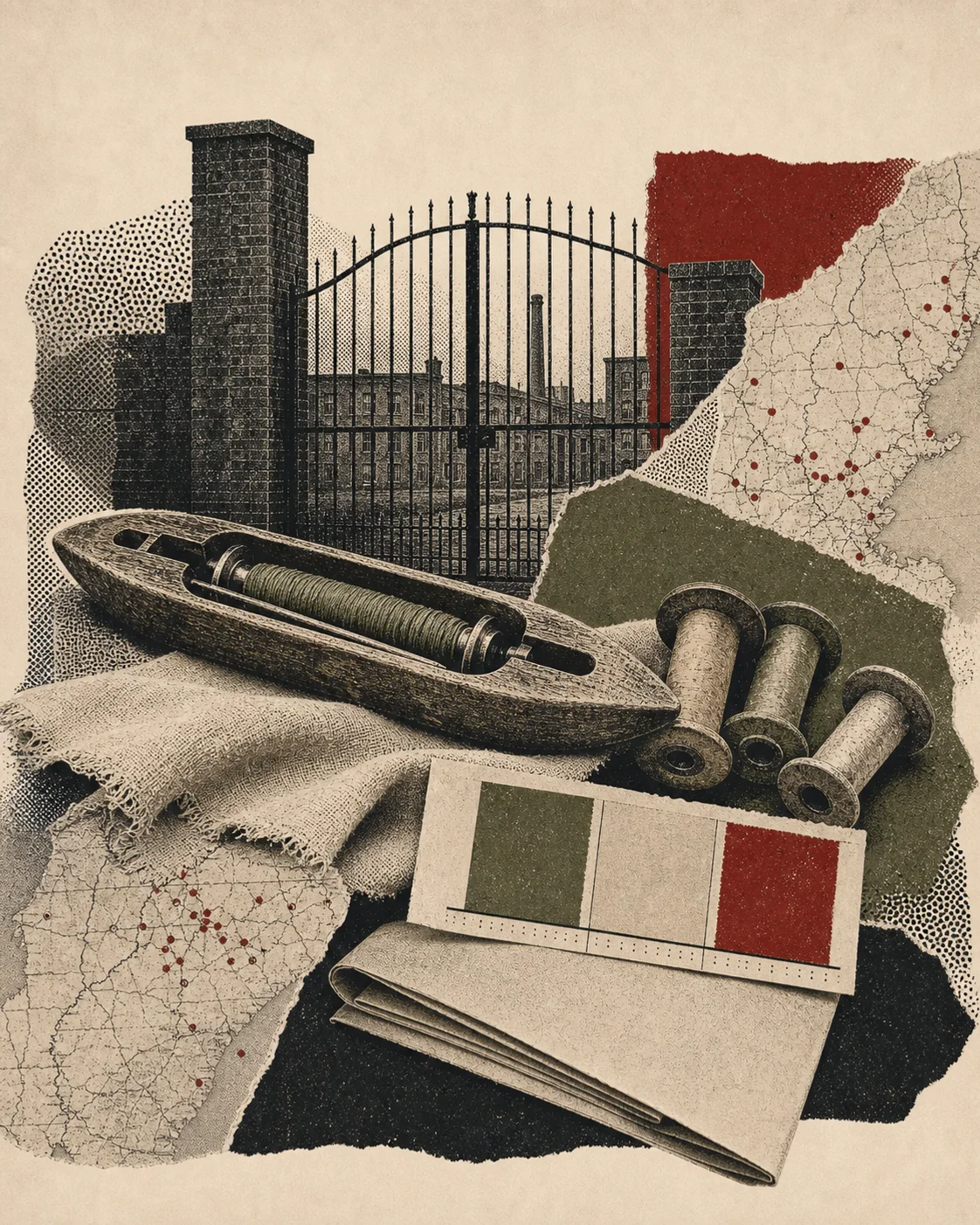
The 1934 textile strike nobody in the mill towns will name
Four hundred thousand workers walked out in three weeks. Descendants of the strikers grew up not knowing it happened.
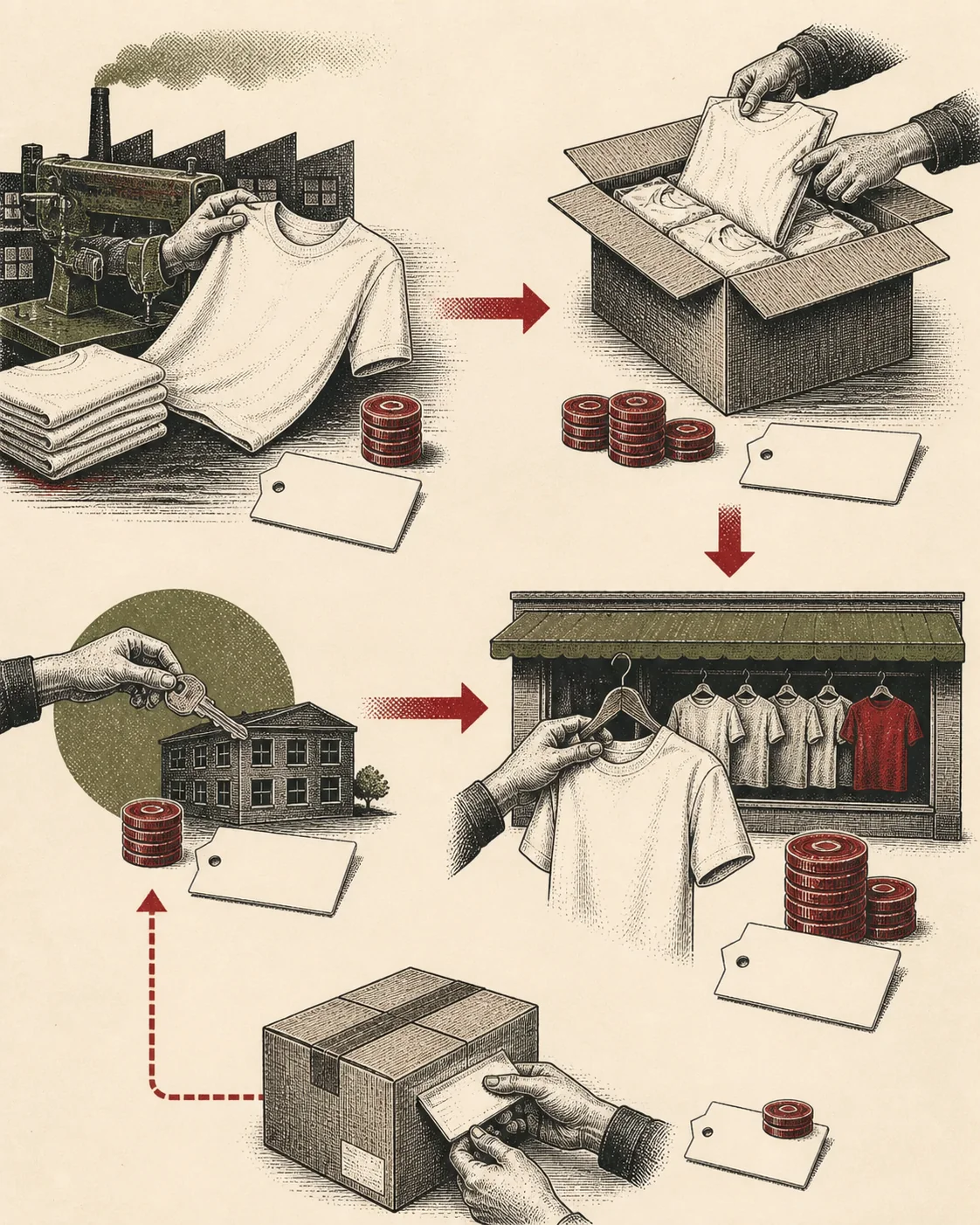
The arithmetic of a retail markup
Skip the wholesale step and the markup doesn't vanish. It moves to a different line on the brand's own income statement, and two public shoe companies just showed their work.
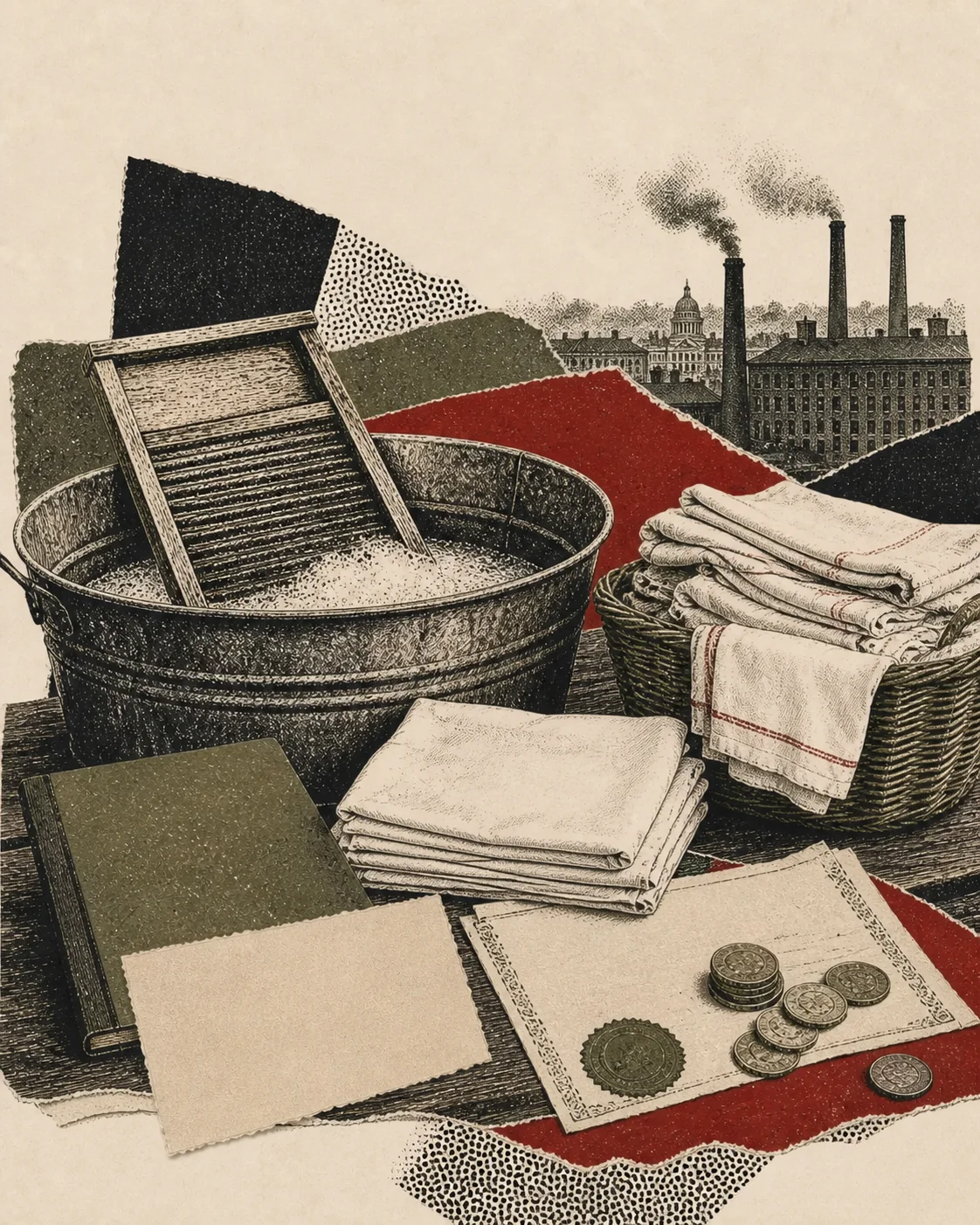
Atlanta's washerwomen called a city's bluff in 1881
Twenty women met, and three weeks later thousands of them were setting the price of clean laundry across Atlanta. Then the city tried a different weapon, and lost it fast.
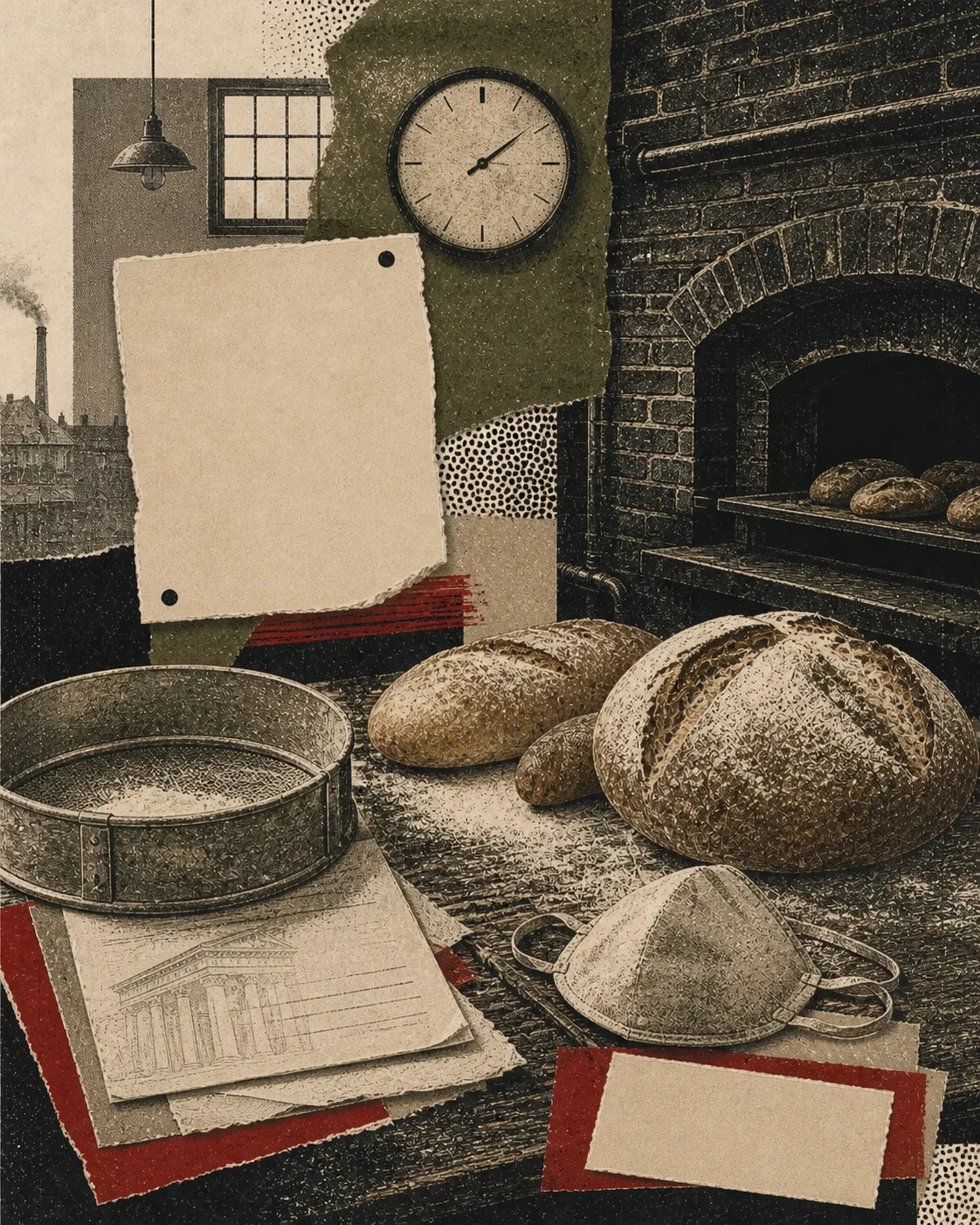
The bakers who lost their hours
A basement bakery, a state law, and the Supreme Court case that is usually taught as pure ideology and was actually about lungs.
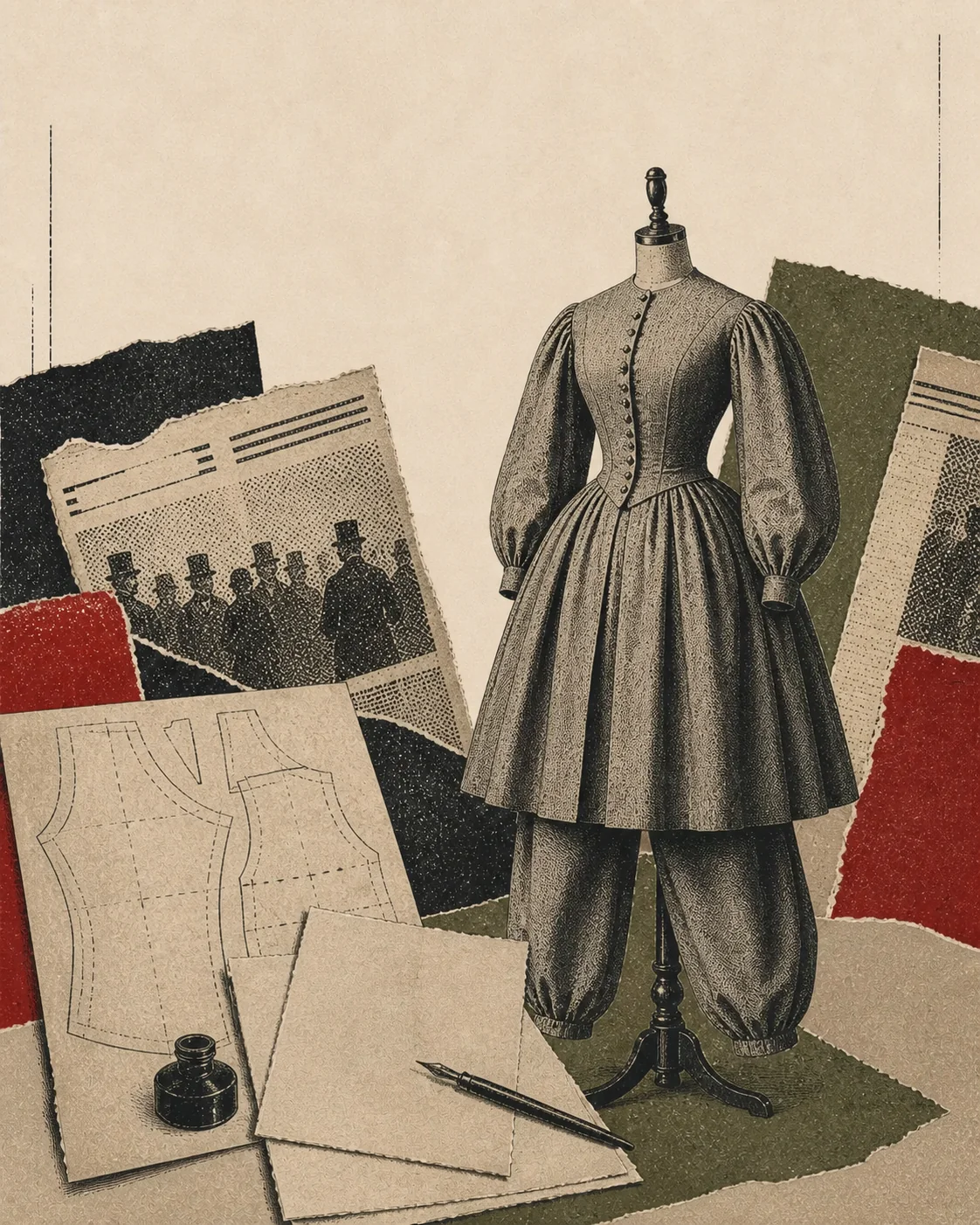
Amelia Bloomer never designed the dress that carries her name
A cousin walked upstairs with a lamp and a baby while Elizabeth Cady Stanton stumbled in her skirts, and that single climb made the case for the dress better than any pamphlet did. It still wasn't enough against the men who followed the wearers down the street.
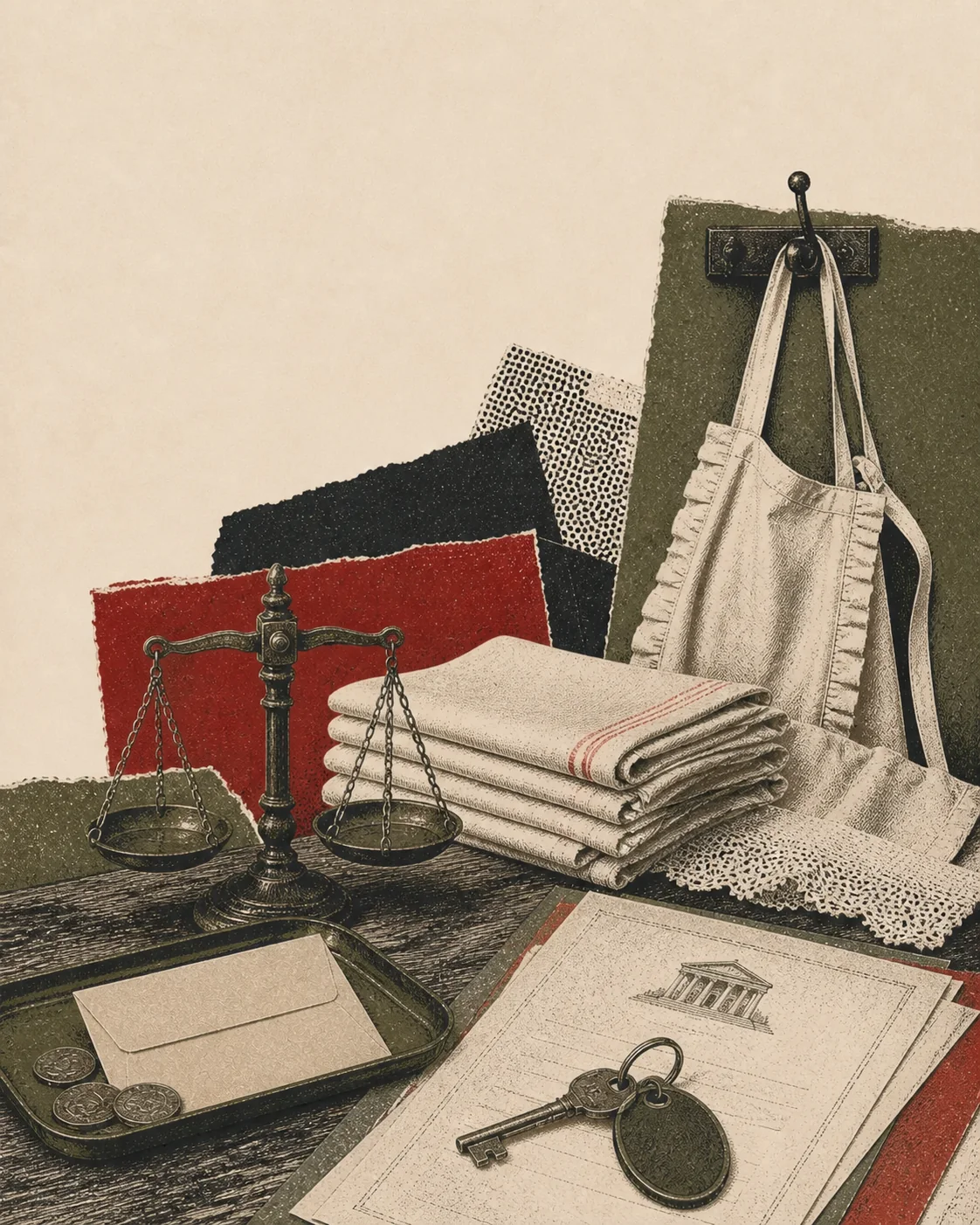
The chambermaid who won the minimum wage
A maid making beds at 22 cents an hour did more for the minimum wage than any senator. Her name was Elsie Parrish, and the Supreme Court needed her lawsuit to change its mind.
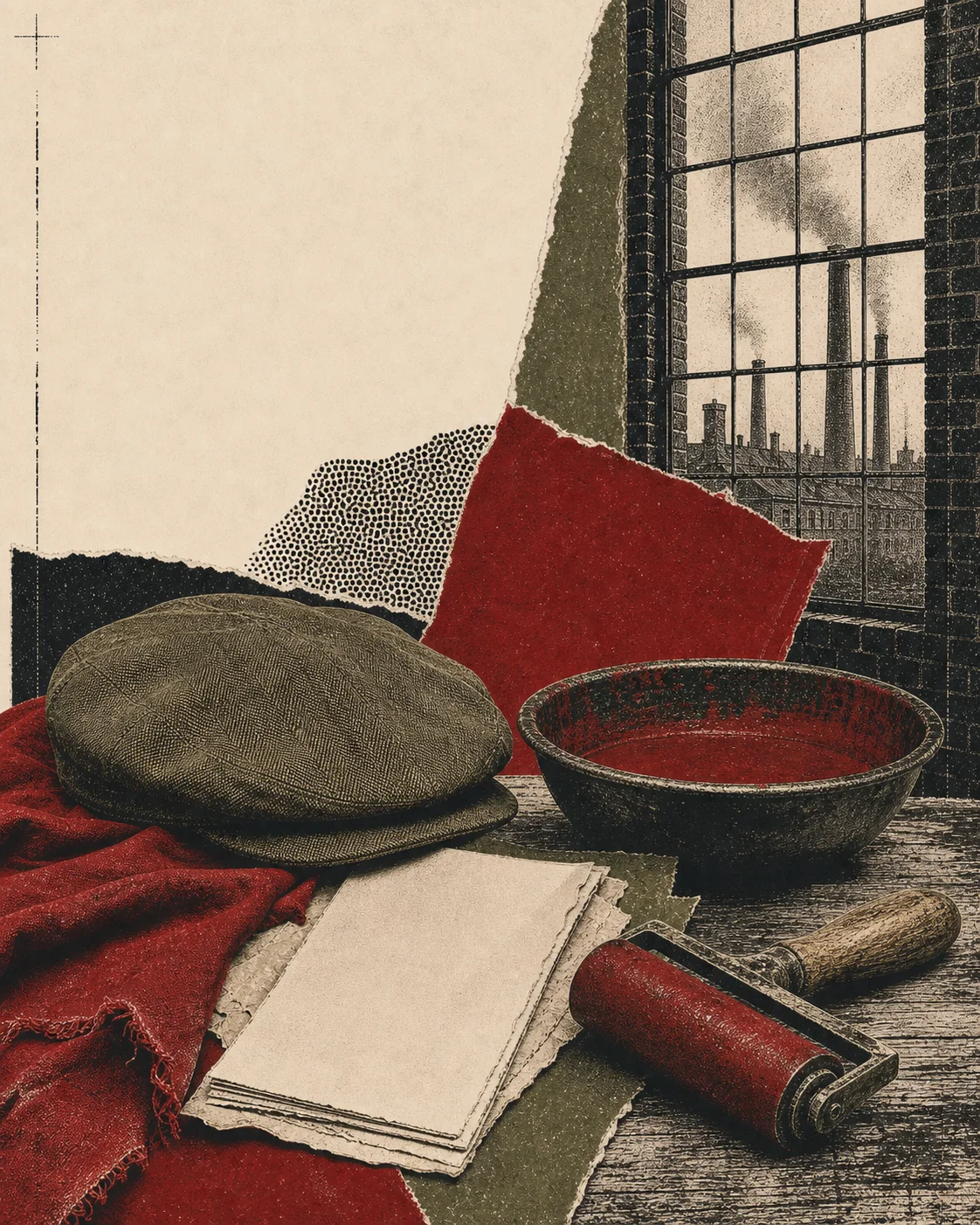
Why red is the color of the labor movement
Nobody picked red at a meeting. A hanged sailor's shirt, a calf's blood on a banner and a Paris barricade did it instead.
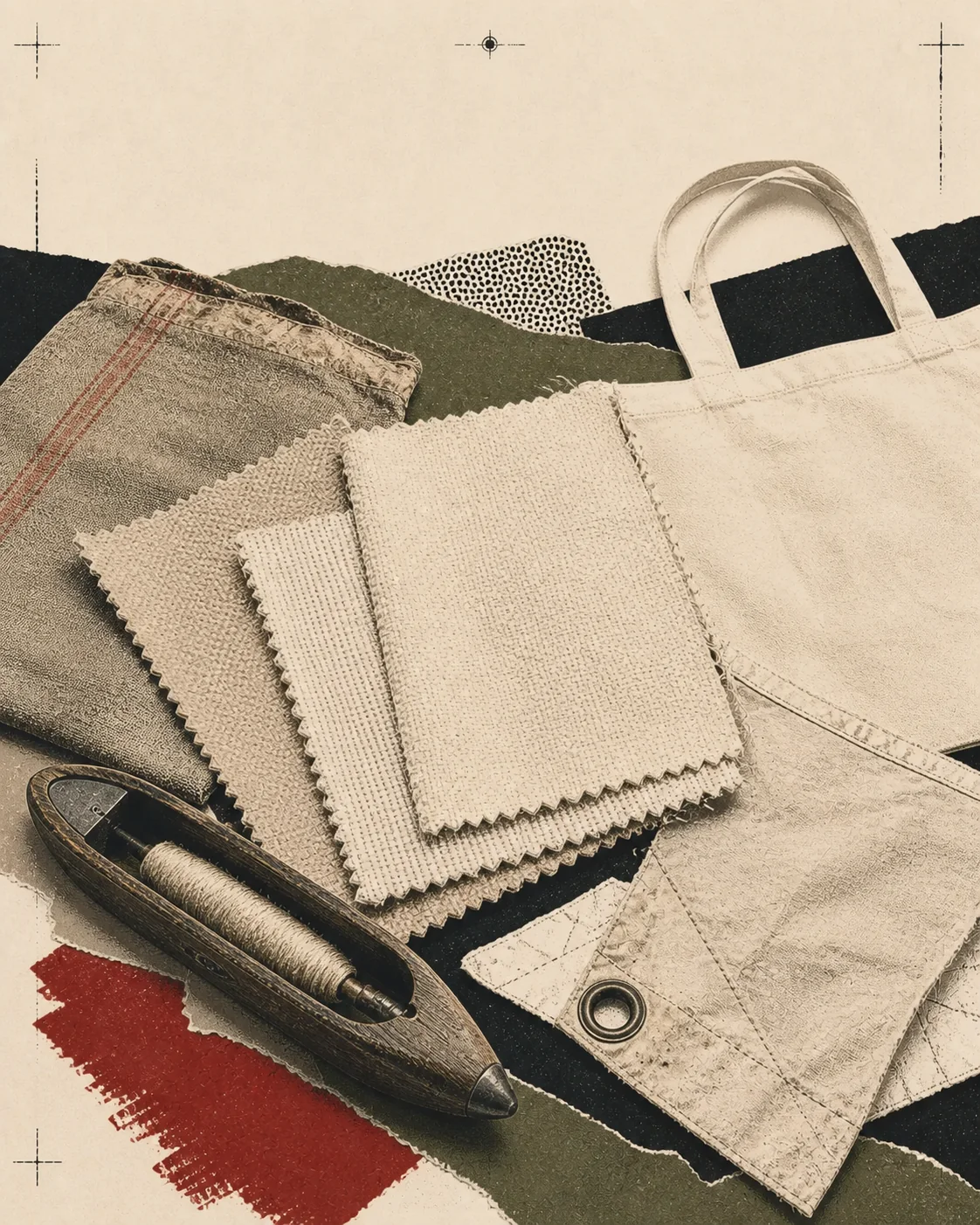
What cotton duck canvas actually is
The fabric under half the tote bags in America is named after a Dutch word for cloth and graded on a scale that runs backward. Here is the scale.
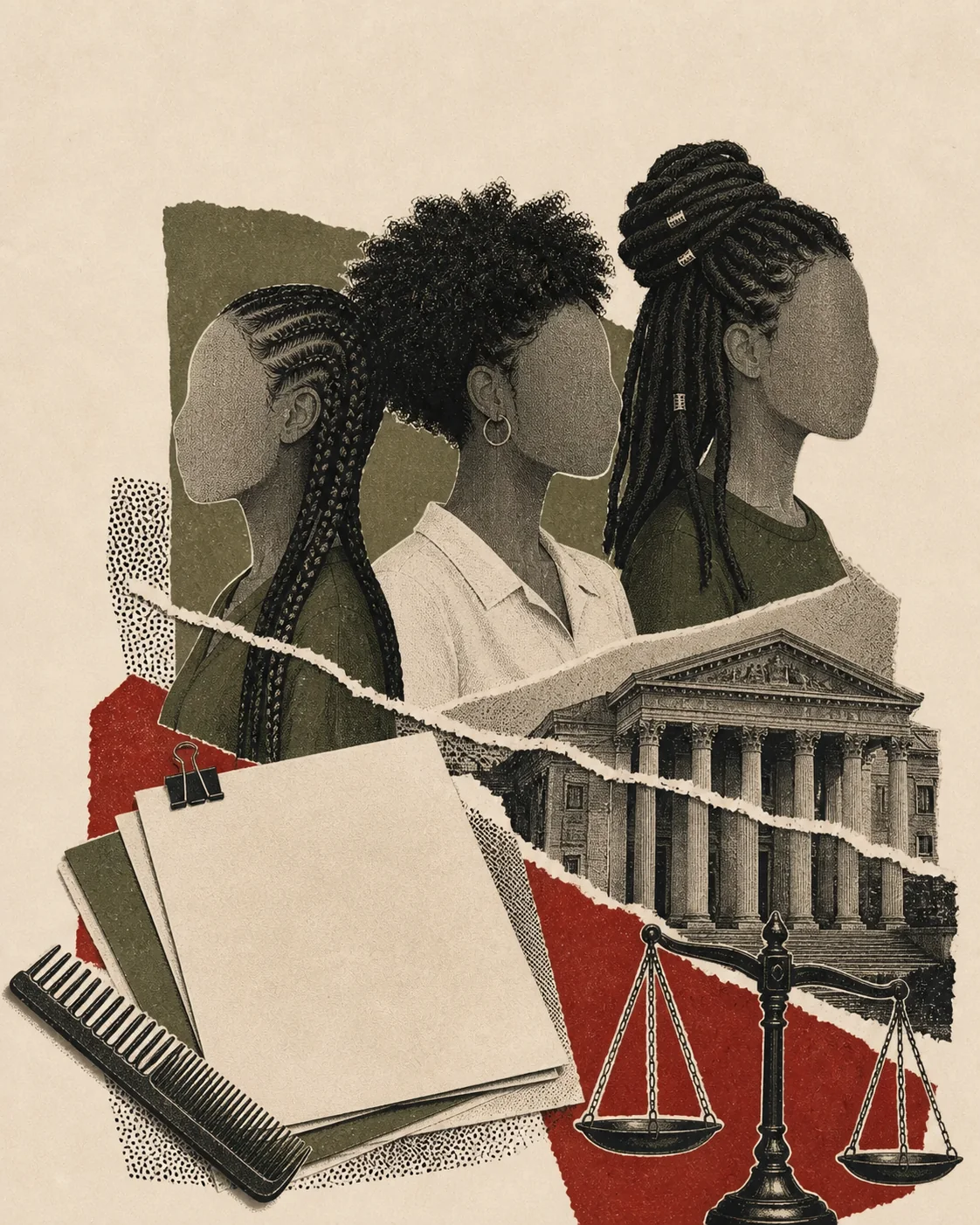
The CROWN Act and what a hair policy costs
Title VII bans race discrimination. Three court decisions kept a hairstyle out of that definition anyway, and that is the gap the CROWN Act laws were written to close.
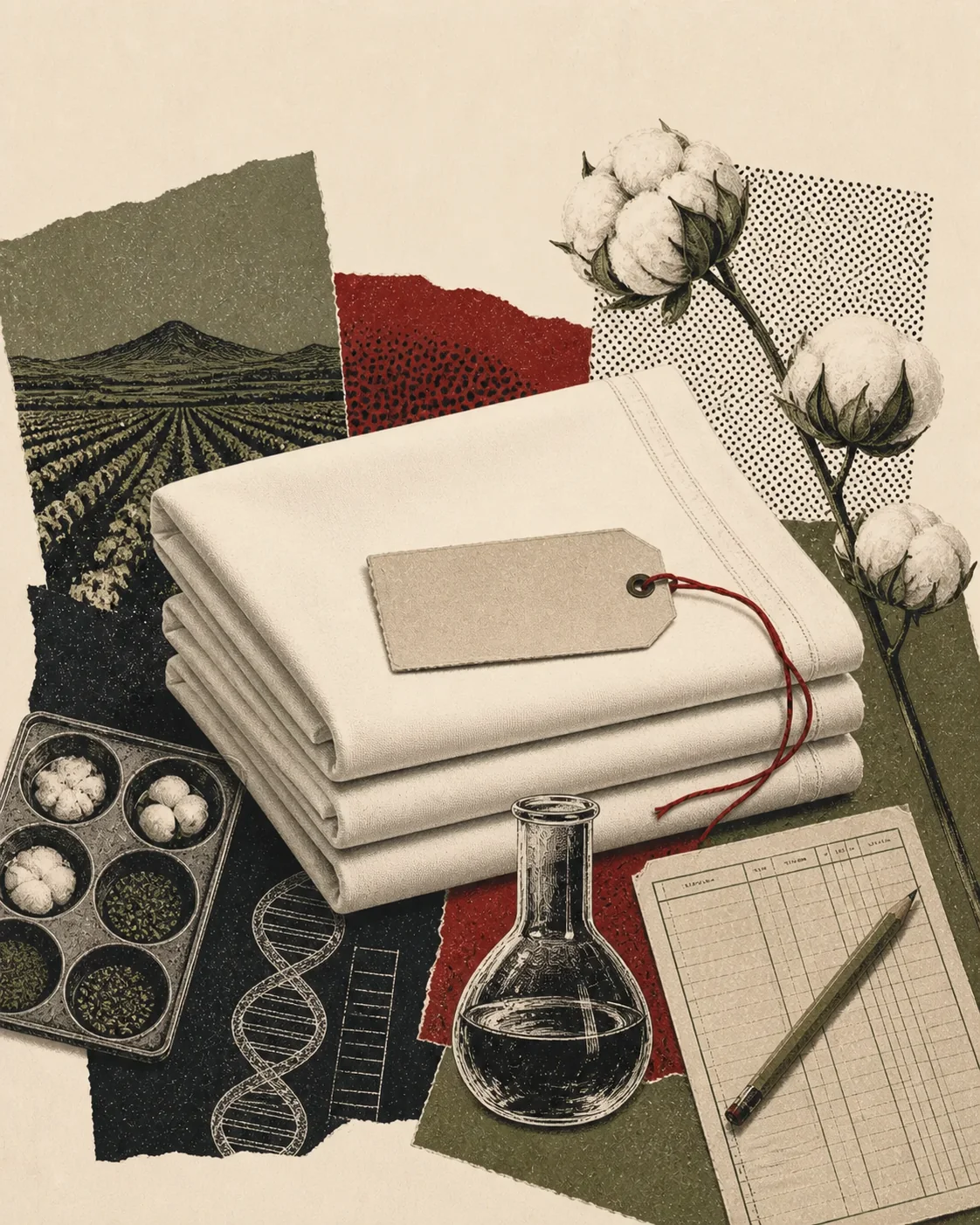
The Egyptian cotton that was not
A textile company got a gold seal for its Egyptian cotton in April 2016. By August it had lost its biggest customer over the same claim.
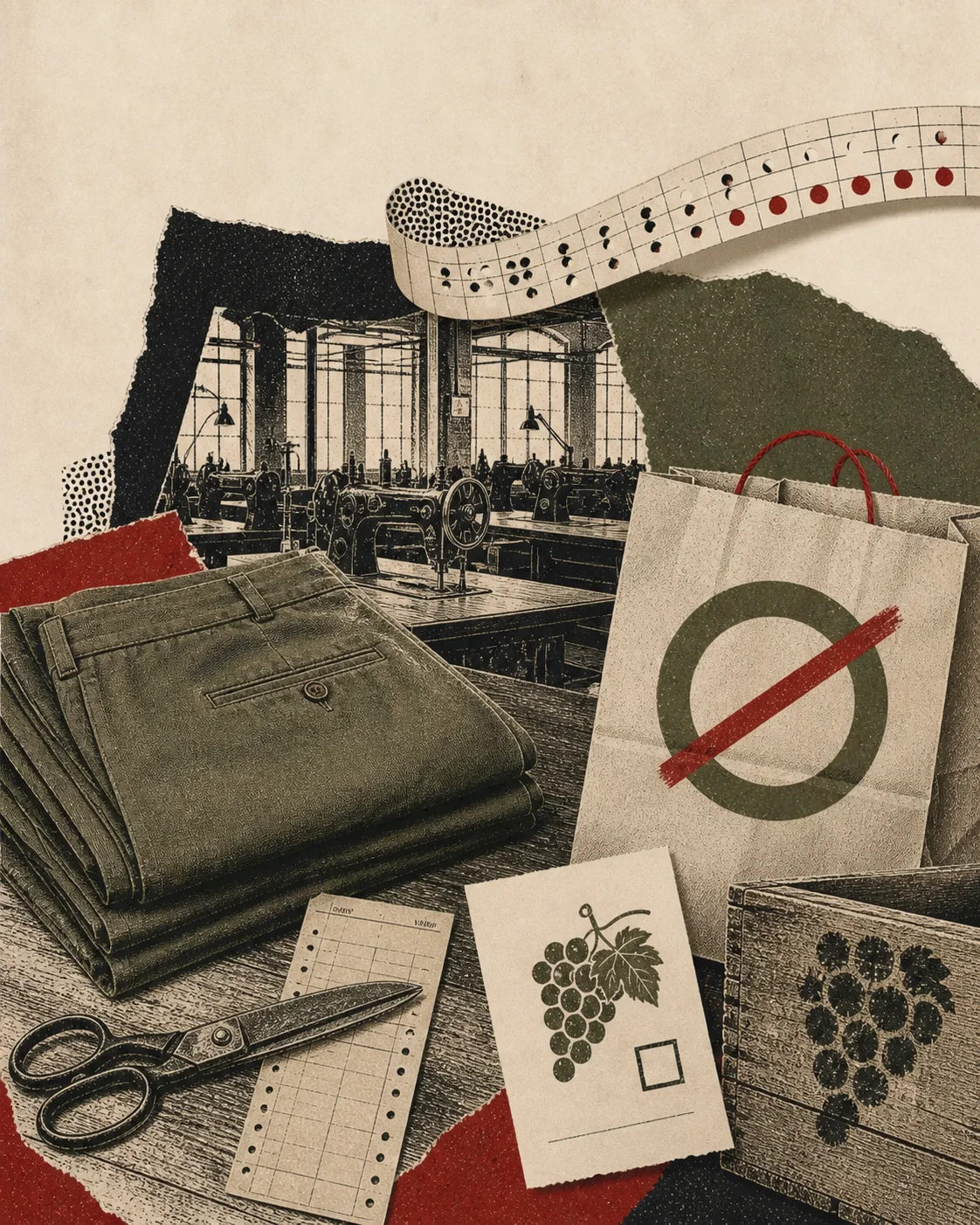
Farah workers borrowed the grape boycott and won a union contract
Four thousand workers walked out of a slacks factory, a national boycott followed within a month, and twenty-two months later the company signed. Nobody put this one in the textbooks.
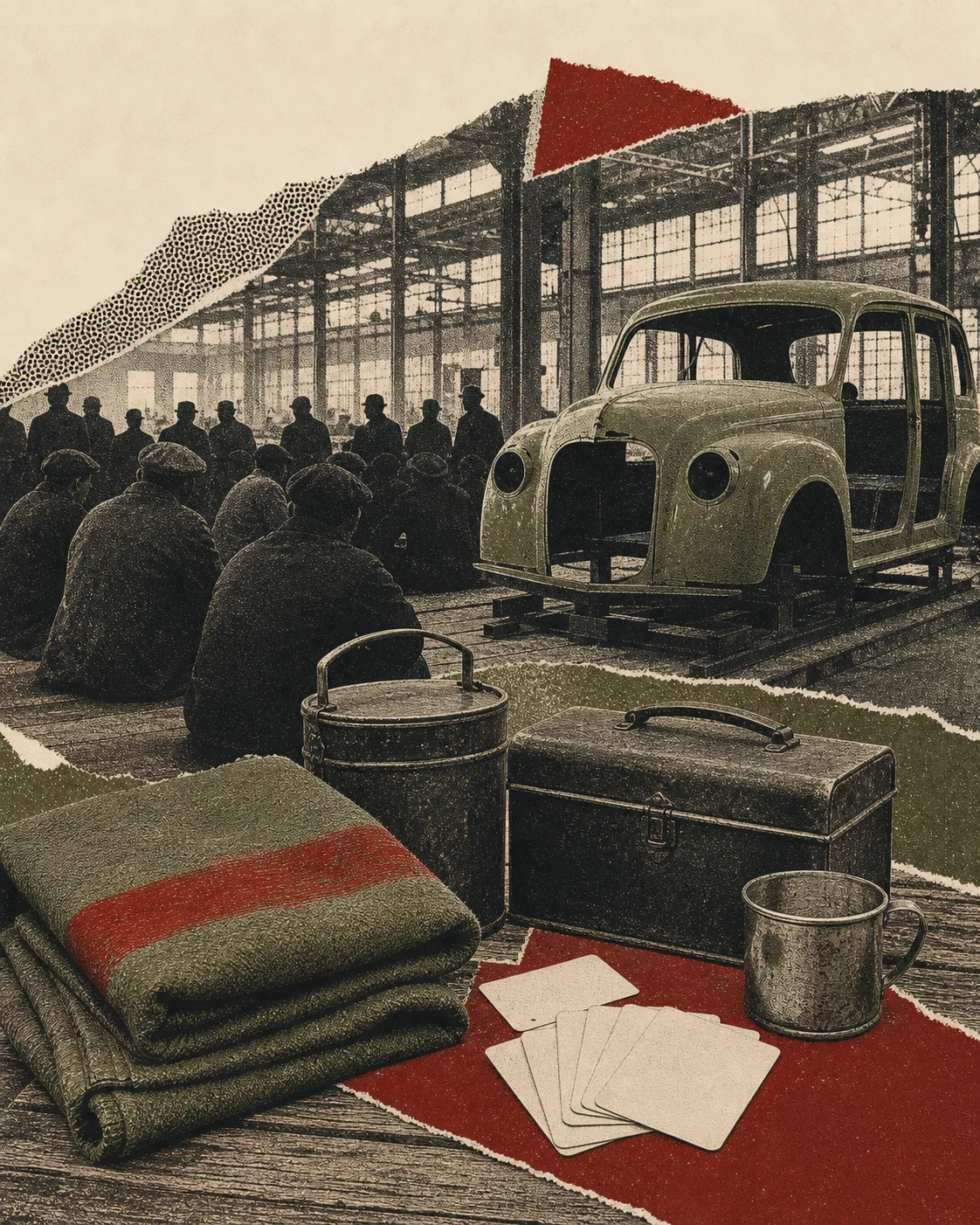
The Flint sit-down strike: forty-four days inside the plant
They didn't walk out. They sat down at the machines and refused to leave, and General Motors had no plan for that.
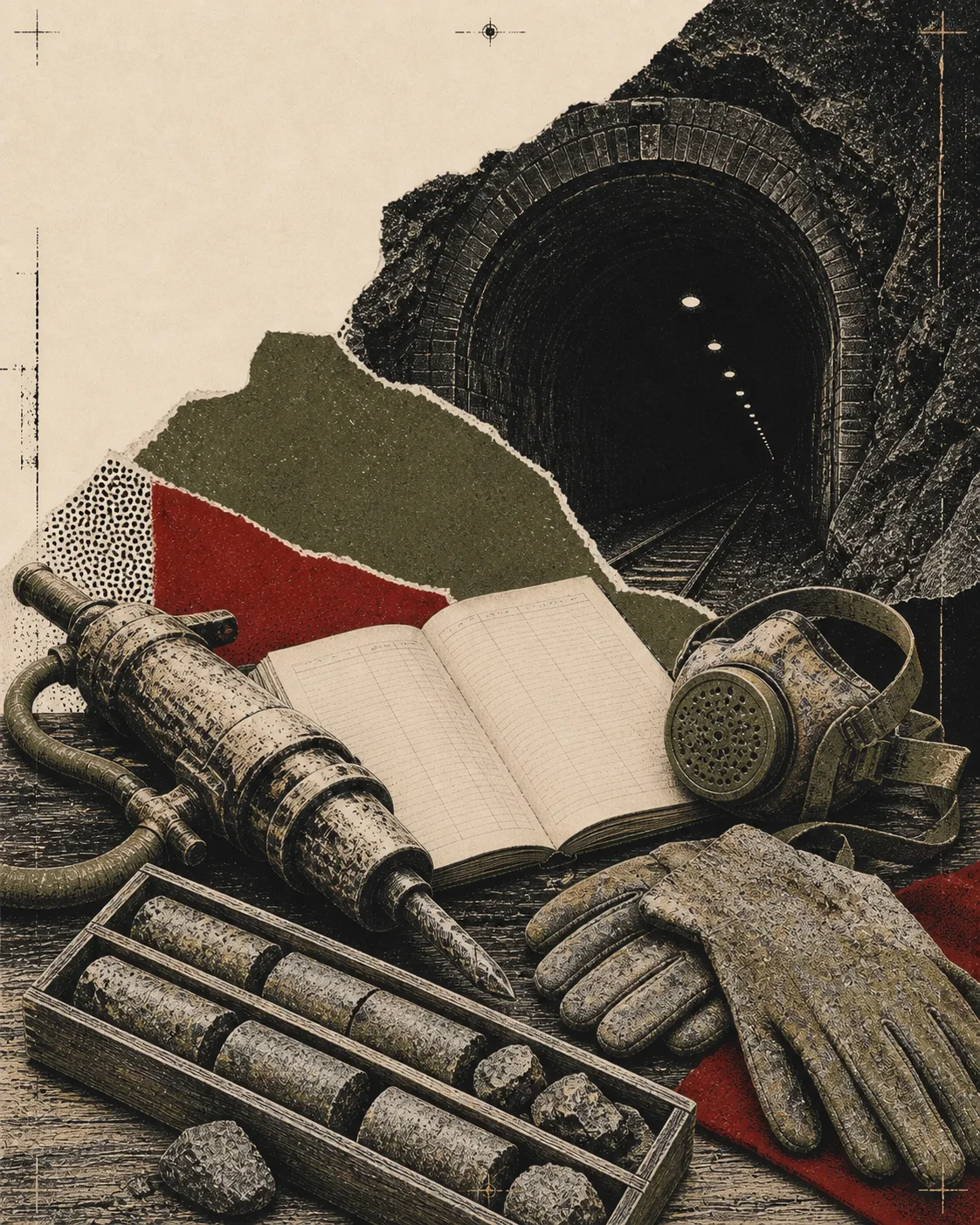
The Hawks Nest Tunnel disaster
A tunnel gang breathing rock dust thick enough to blind them, and a company that stopped counting the dead once they stopped being white.
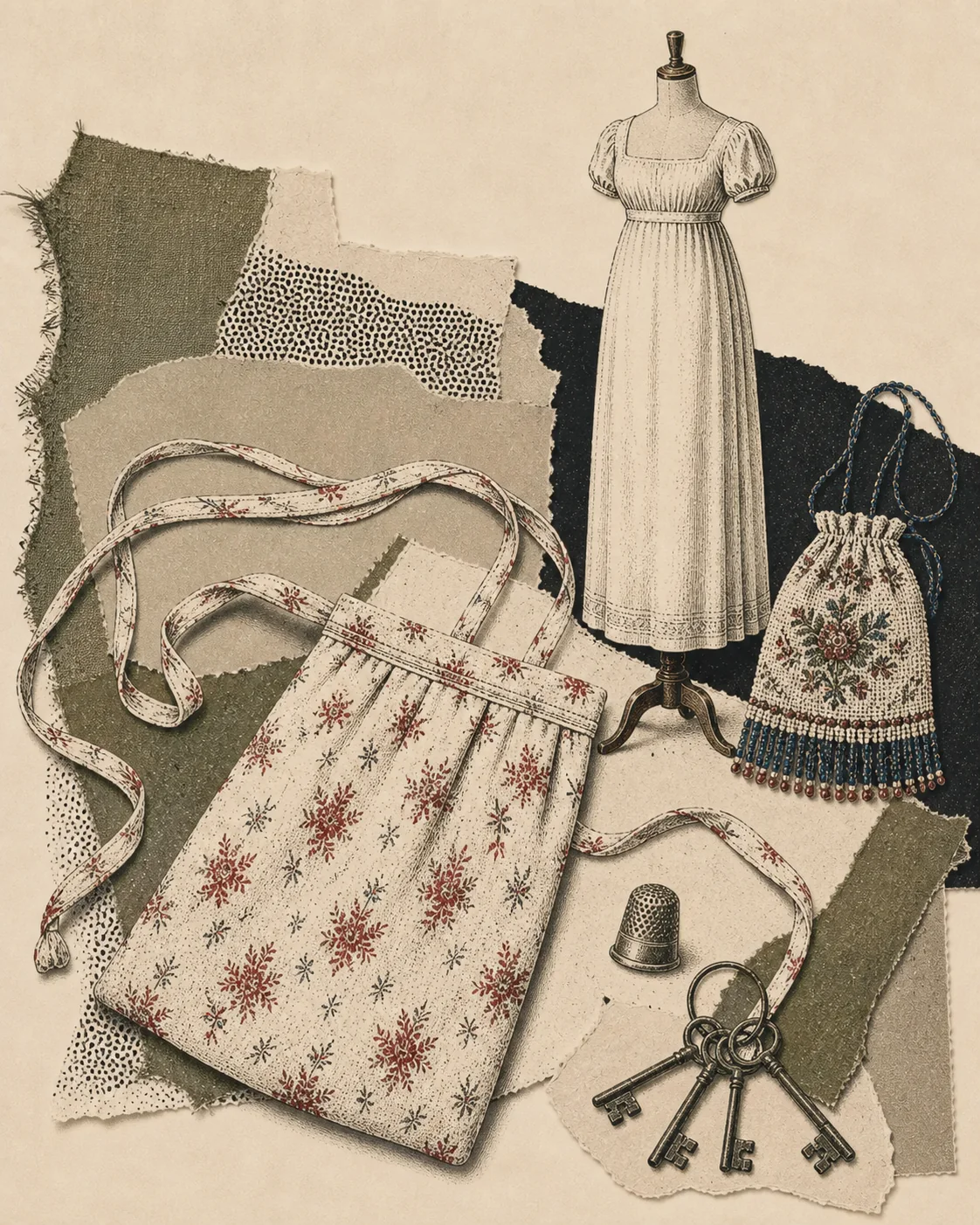
Why women's clothes lost their pockets, and who tried to bring them back
A tied-on bag, a change of silhouette, and a tailors' trade group cashing in on the word suffragette: the real sequence behind a complaint that is now two centuries old.
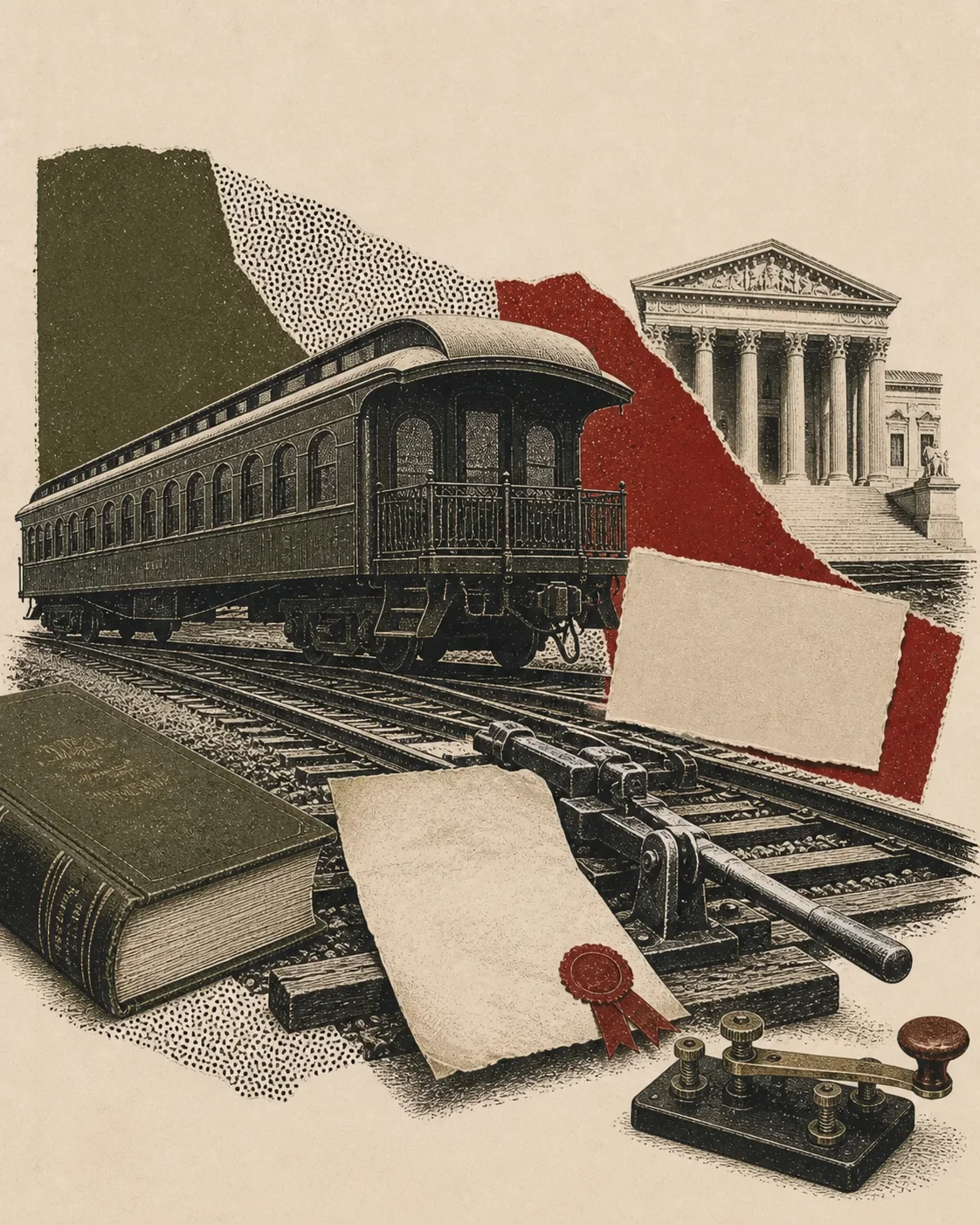
The injunction that broke the Pullman strike
Nobody derailed the Pullman strike with a bayonet first. A judge did it with a piece of paper, and the Supreme Court said the paper was good law.
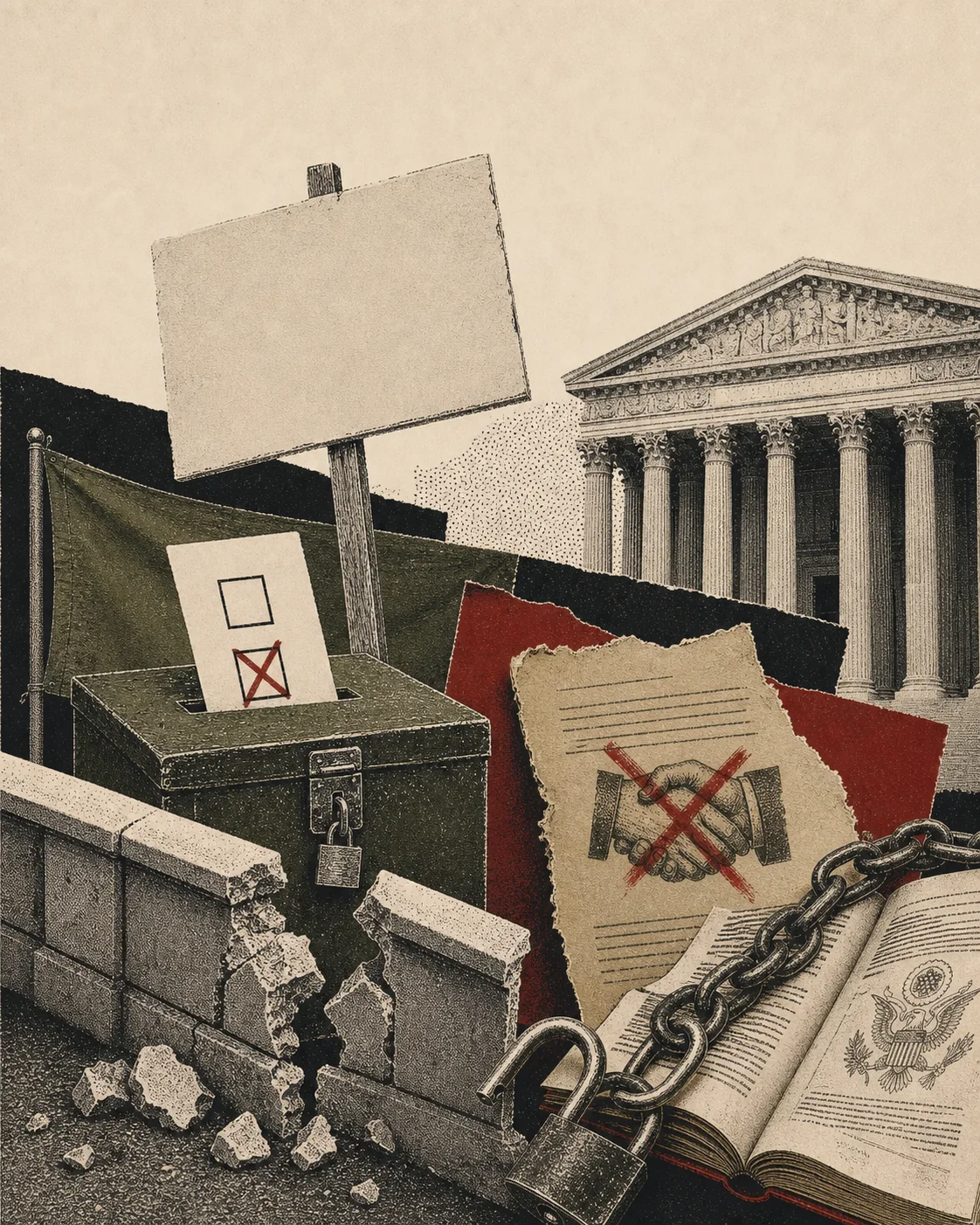
The law that ended the labor injunction
Everyone dates New Deal labor law to 1935. The statute that actually let unions survive a strike passed under Herbert Hoover.
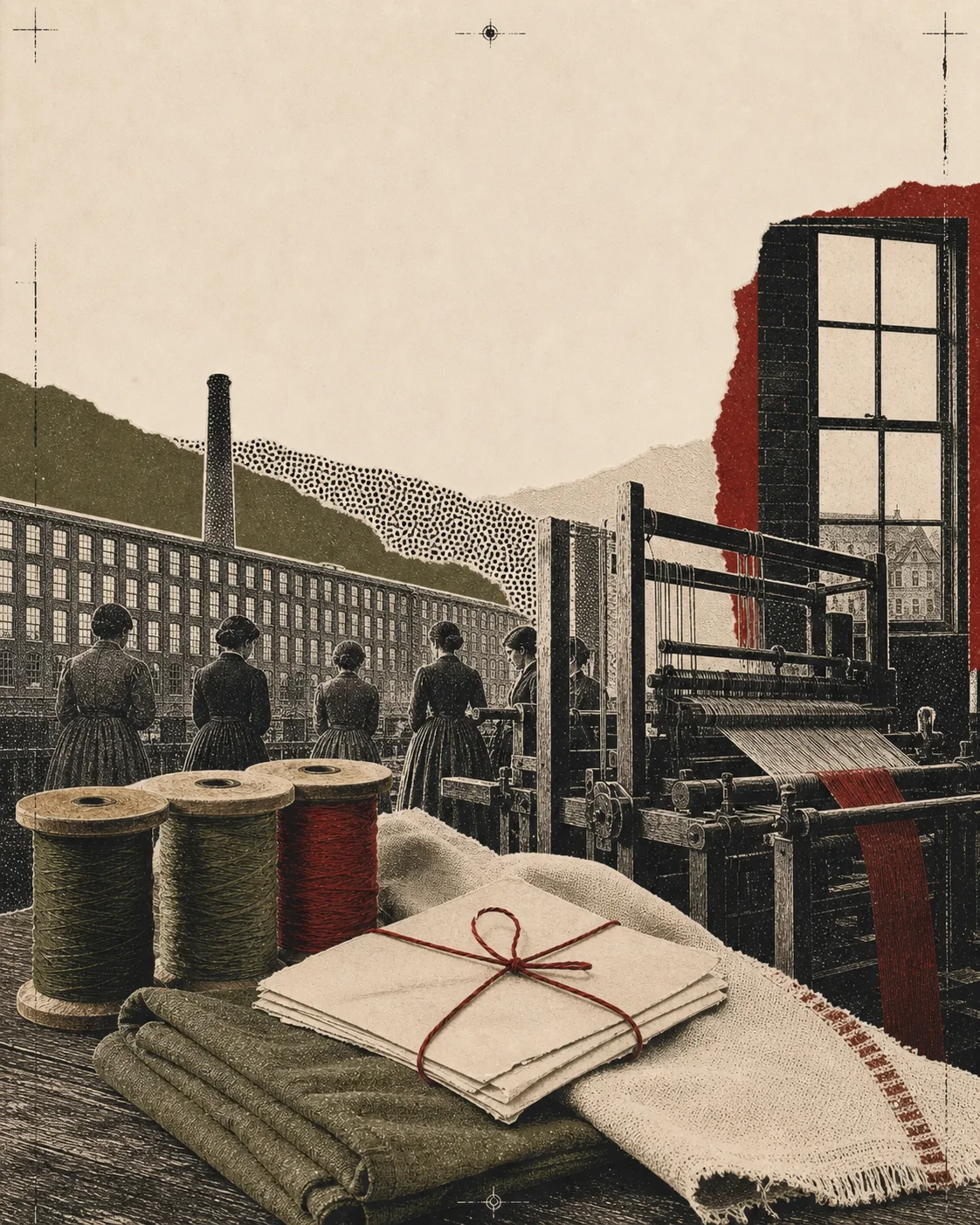
The Lowell mill girls, the first factory workforce in America
They were teenagers from New England farms who ran the first power looms in the country, walked out twice, and started their own magazine. The cotton in their looms came from somewhere too.
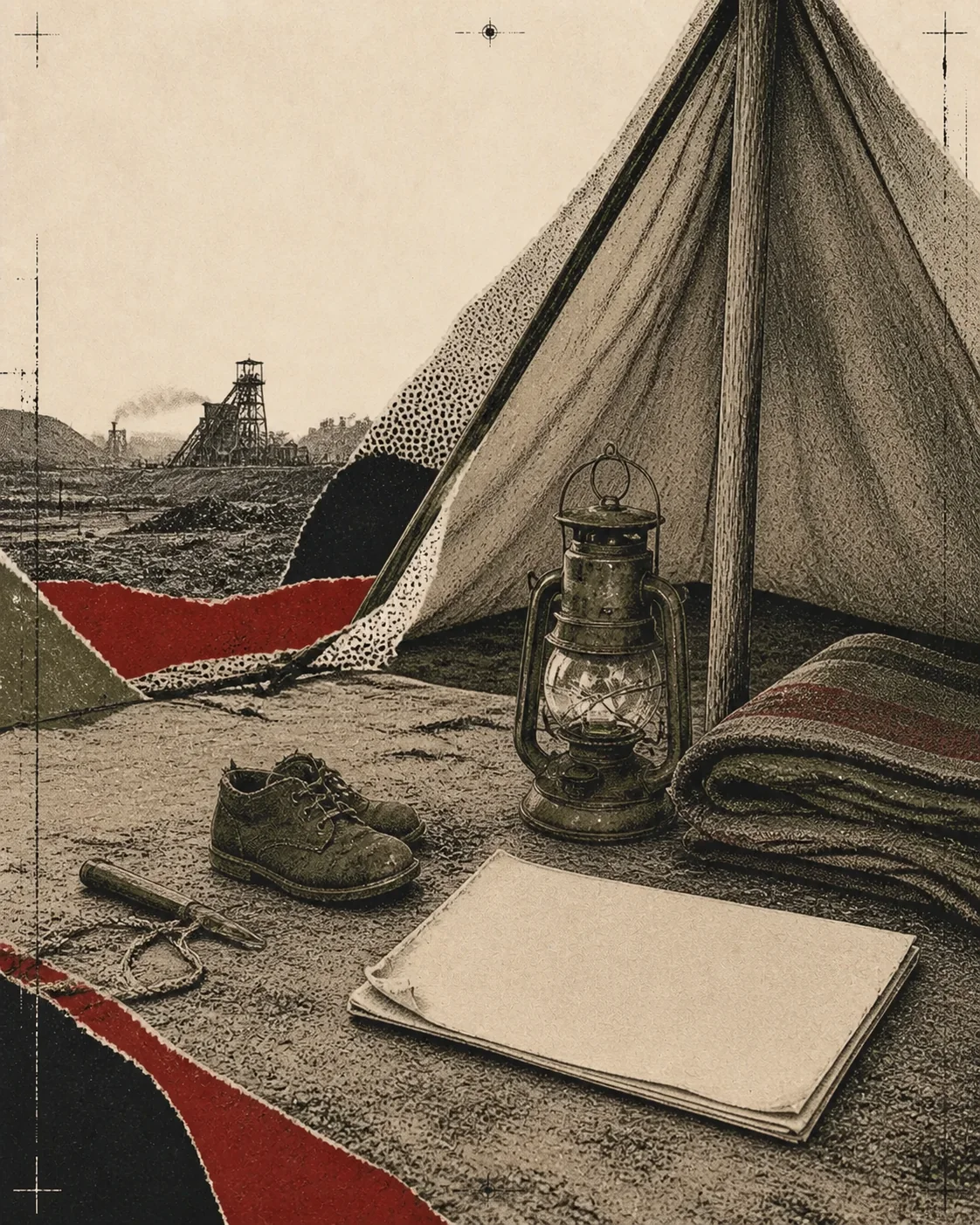
The Ludlow massacre
A tent colony, a machine gun on a ridge, and a cellar where the fire went. The history the coalfields tried to bury.
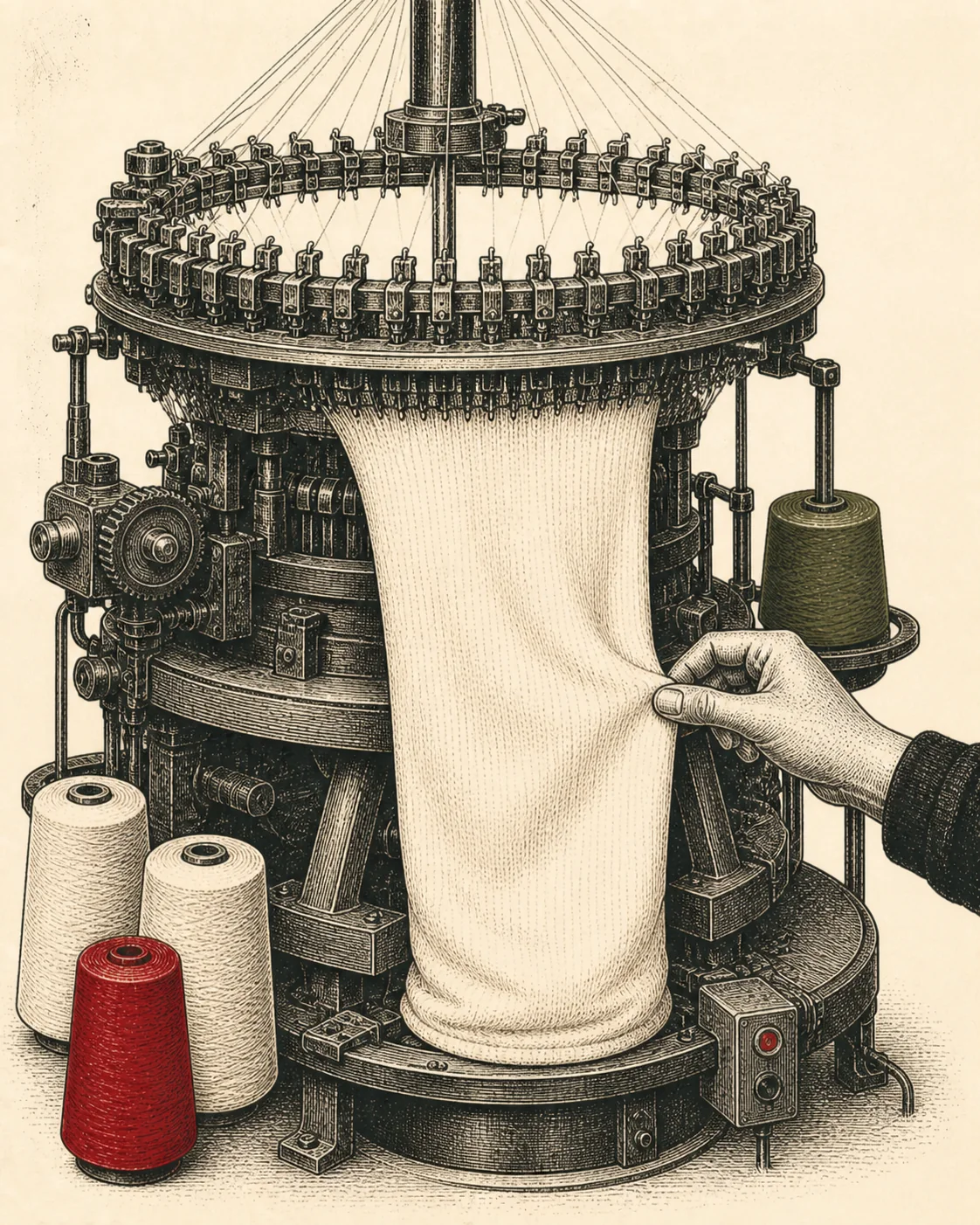
The machine that made t-shirts cheap
Turn a plain tee inside out and the side seams are the only proof anyone touched the fabric with scissors. Here is the machine that made that possible, and the seam that gets credit it didn't earn.
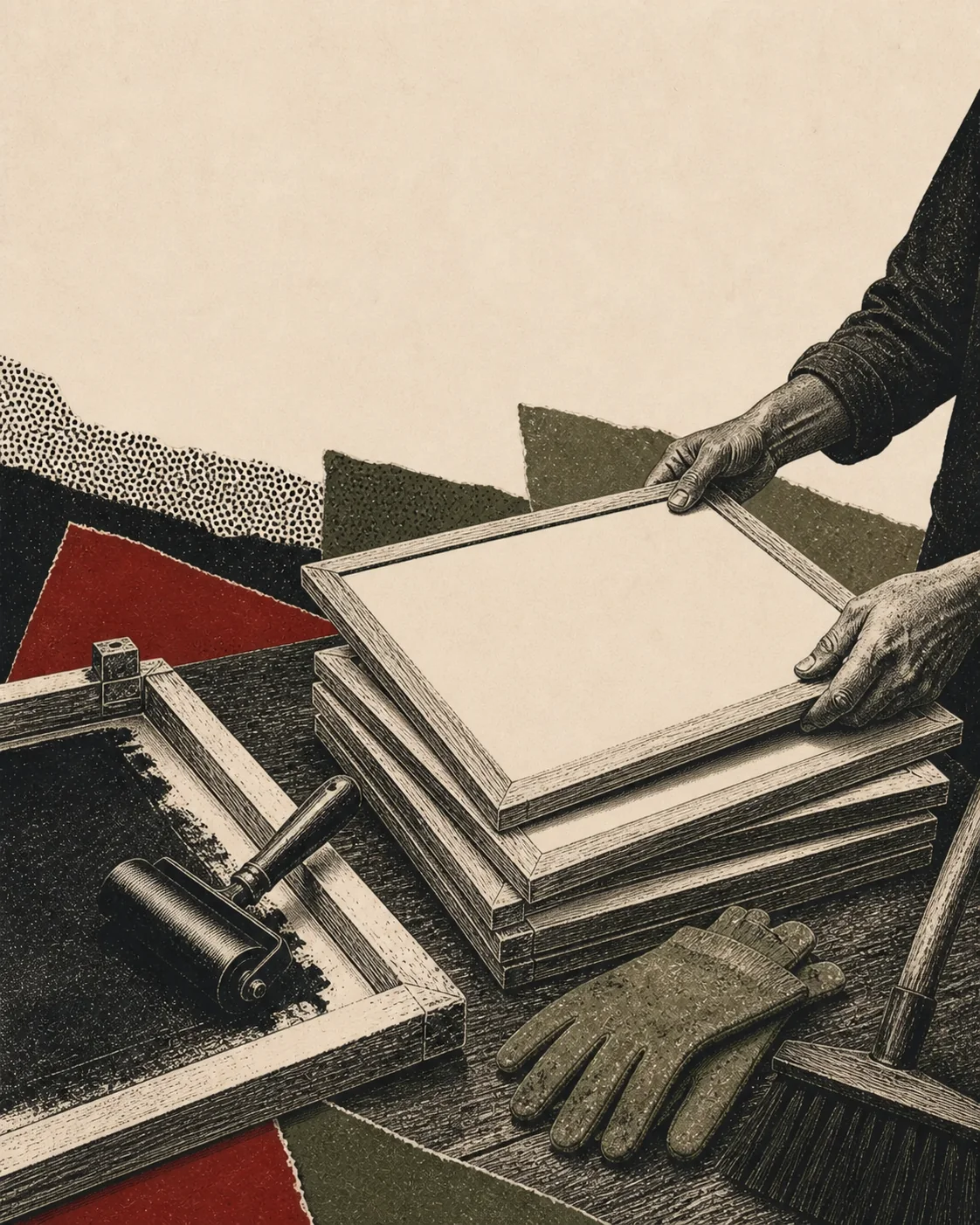
Who made the I AM A MAN sign, and why
Four words, one press, one basement. What the most reprinted protest sign in American history actually was, before it was a poster.
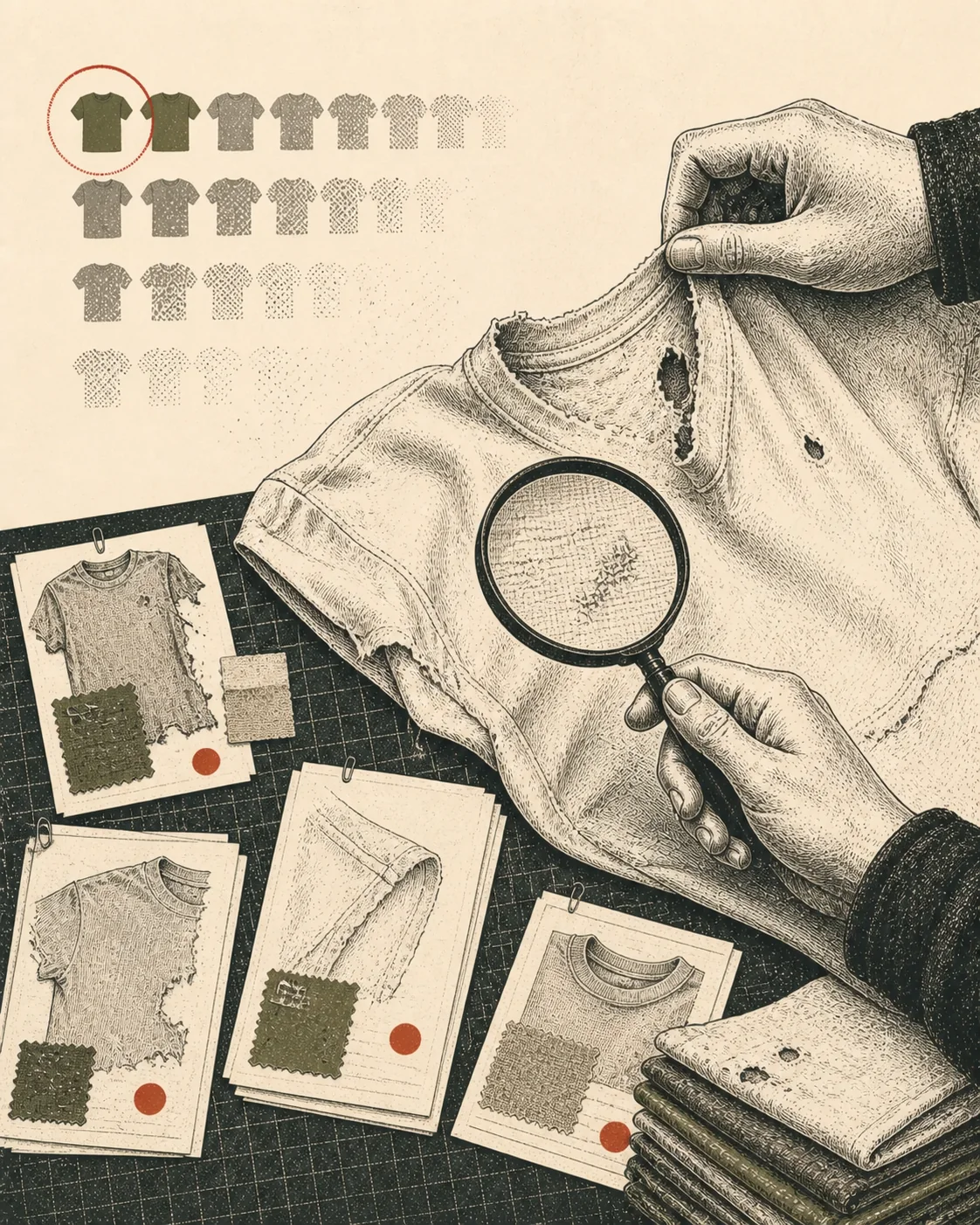
The myth of the indestructible vintage tee
Every vintage tee on a resale rack already won a fight nobody's talking about. The ones that lost aren't there to argue back.
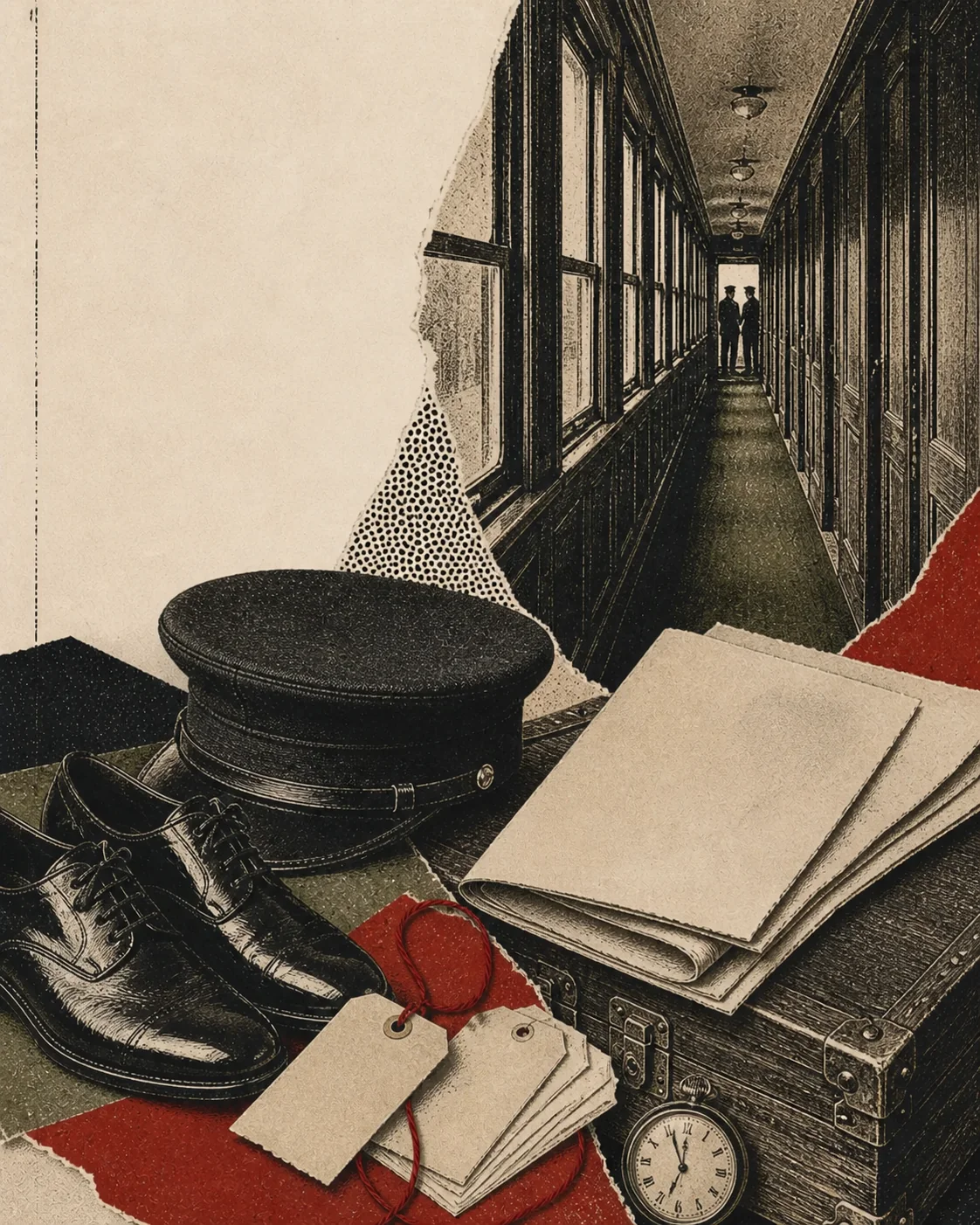
The Pullman porters organized for twelve years before they won a contract
Same date, twelve years apart. What actually happened between the founding meeting and the signature is a contract fight, and the tactics in it are why the name survived.
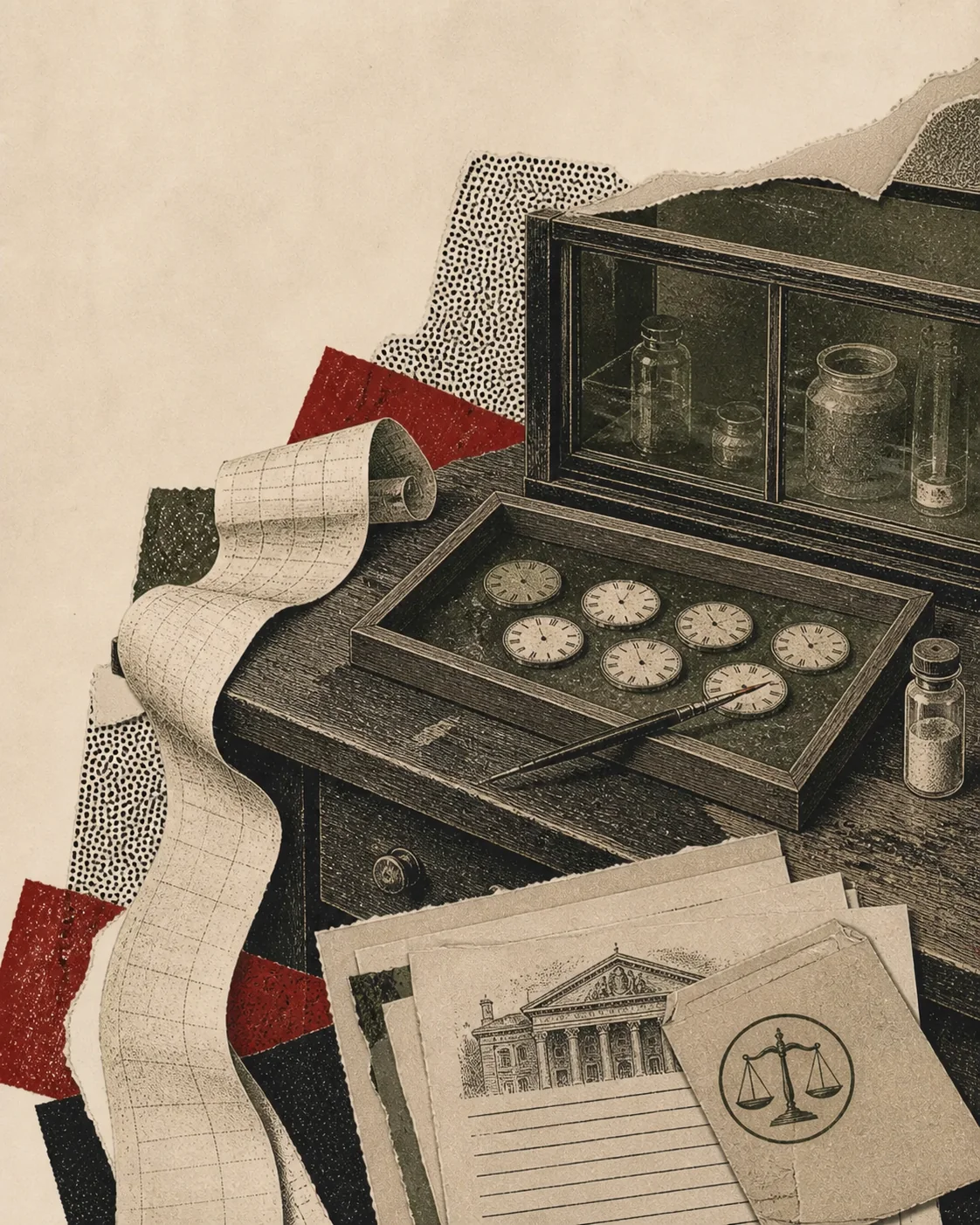
The Radium Girls and the law they made
Two courts, two states, and one question neither had answered before: what happens when the clock on a lawsuit runs out before the disease does.
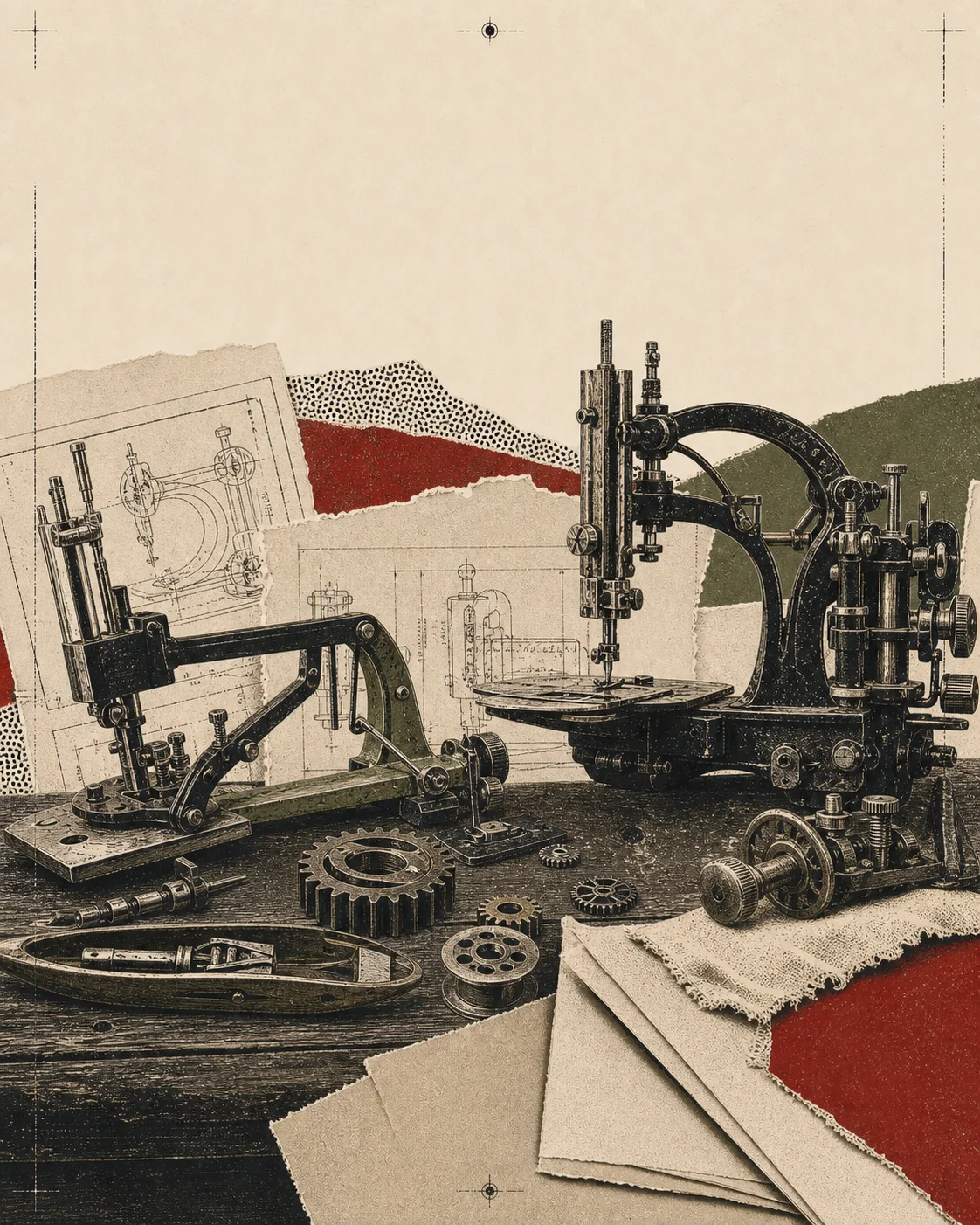
Nobody invented the sewing machine
Five people held the patents that made a working sewing machine legal to build. None of them alone had invented one.
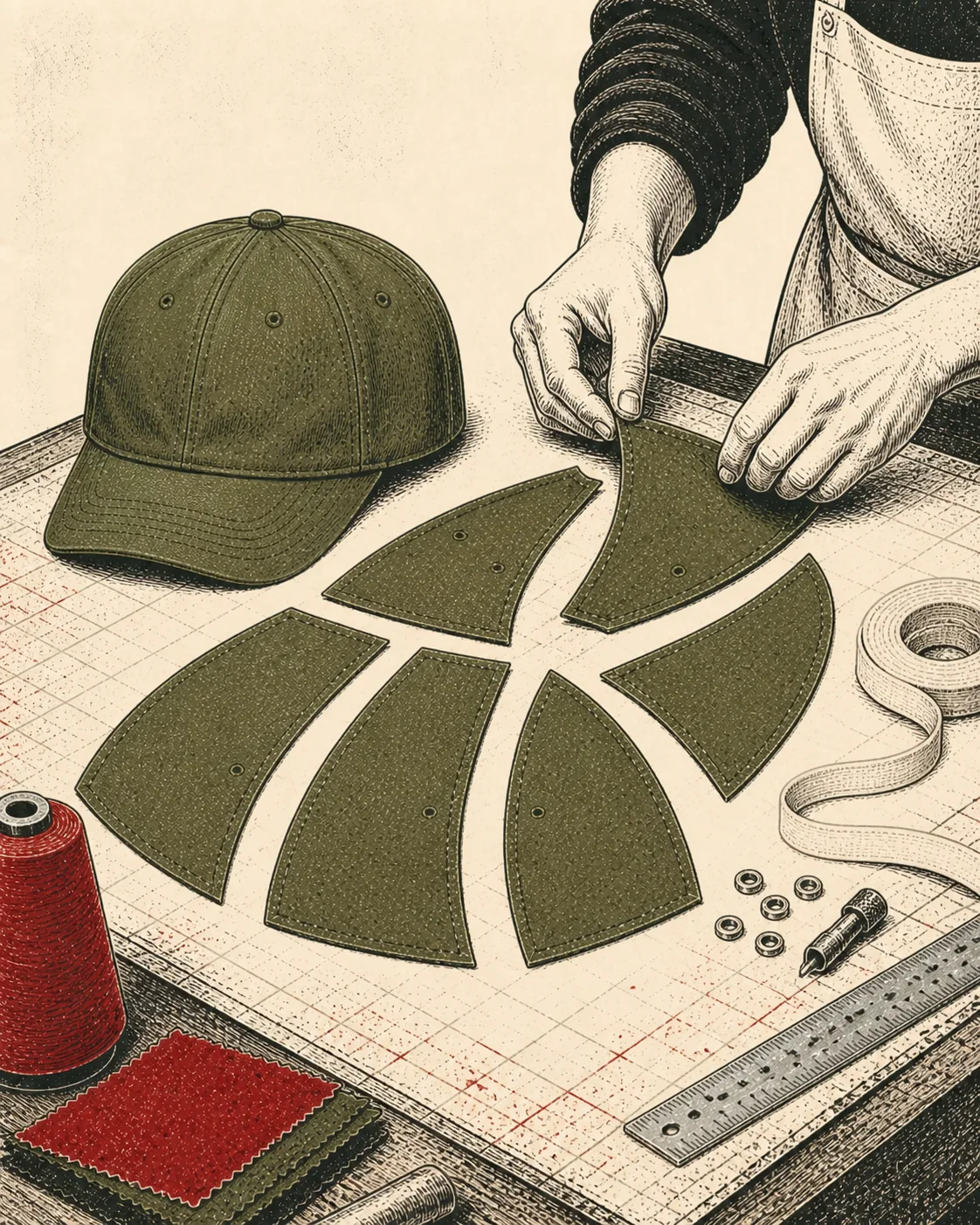
What a six-panel cap actually means
The number isn't marketing. Count the seams on the cap on your head and you'll find exactly six, unless somebody skipped a panel to save on stitching.
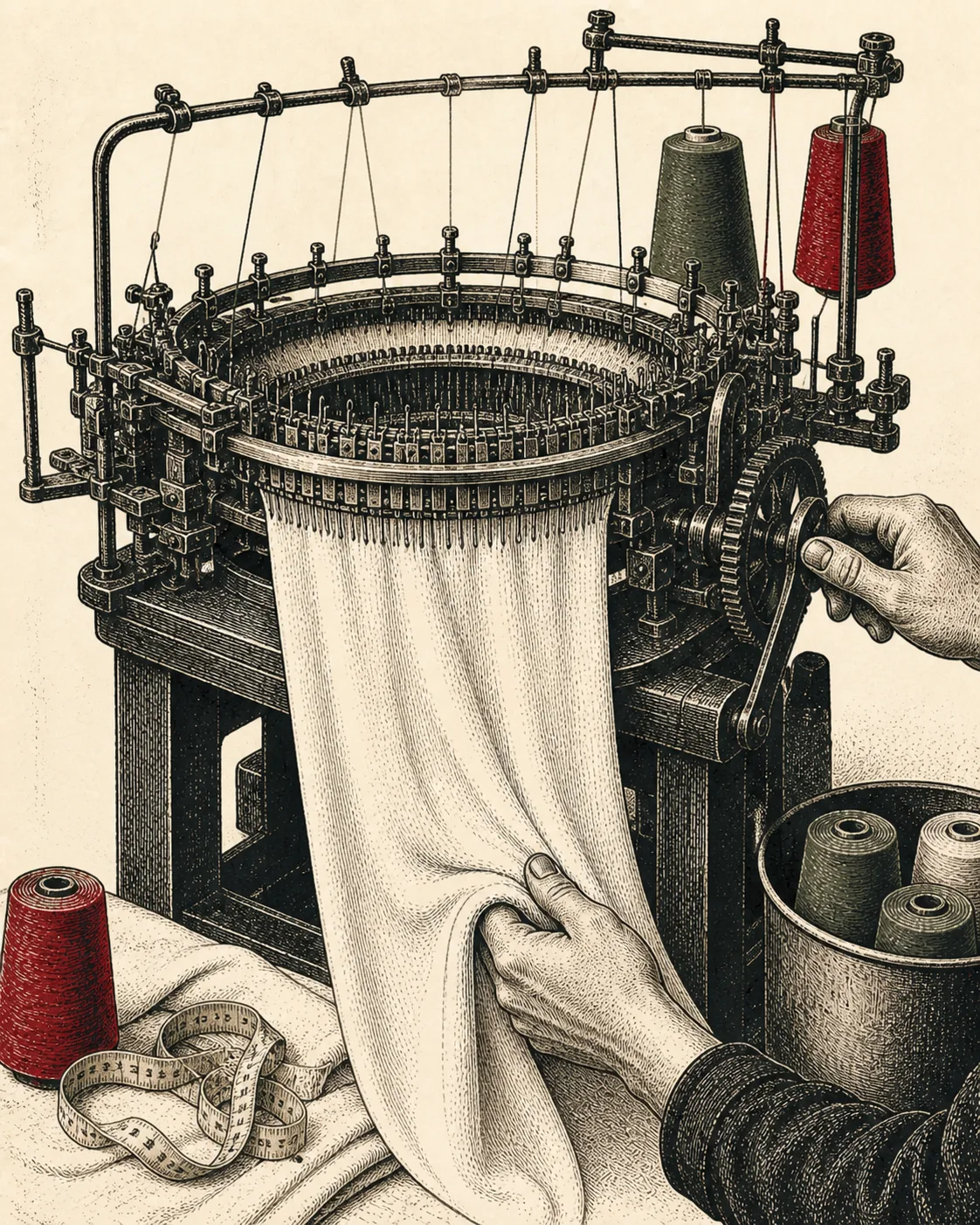
The slowest knitting machine still running
Around two hundred of these machines are still turning, all in one district of Japan, each one making cloth slower than a person could sew it by hand.
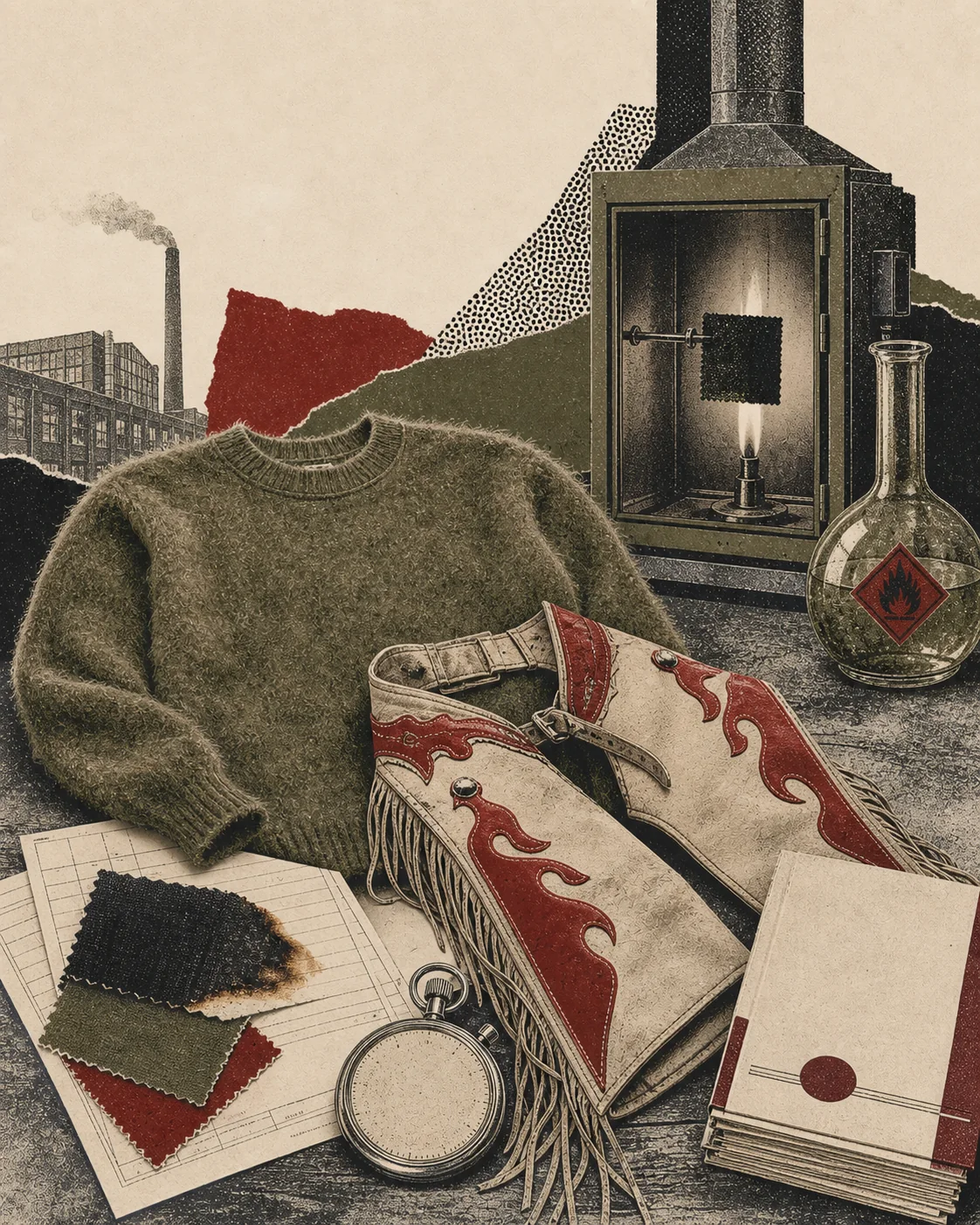
The federal law written after sweaters caught fire in seconds
A government chemist clocked a child's sweater burning end to end in just over a second. Congress wrote a law about it, and the law's later chapters are not as clean as the first one.
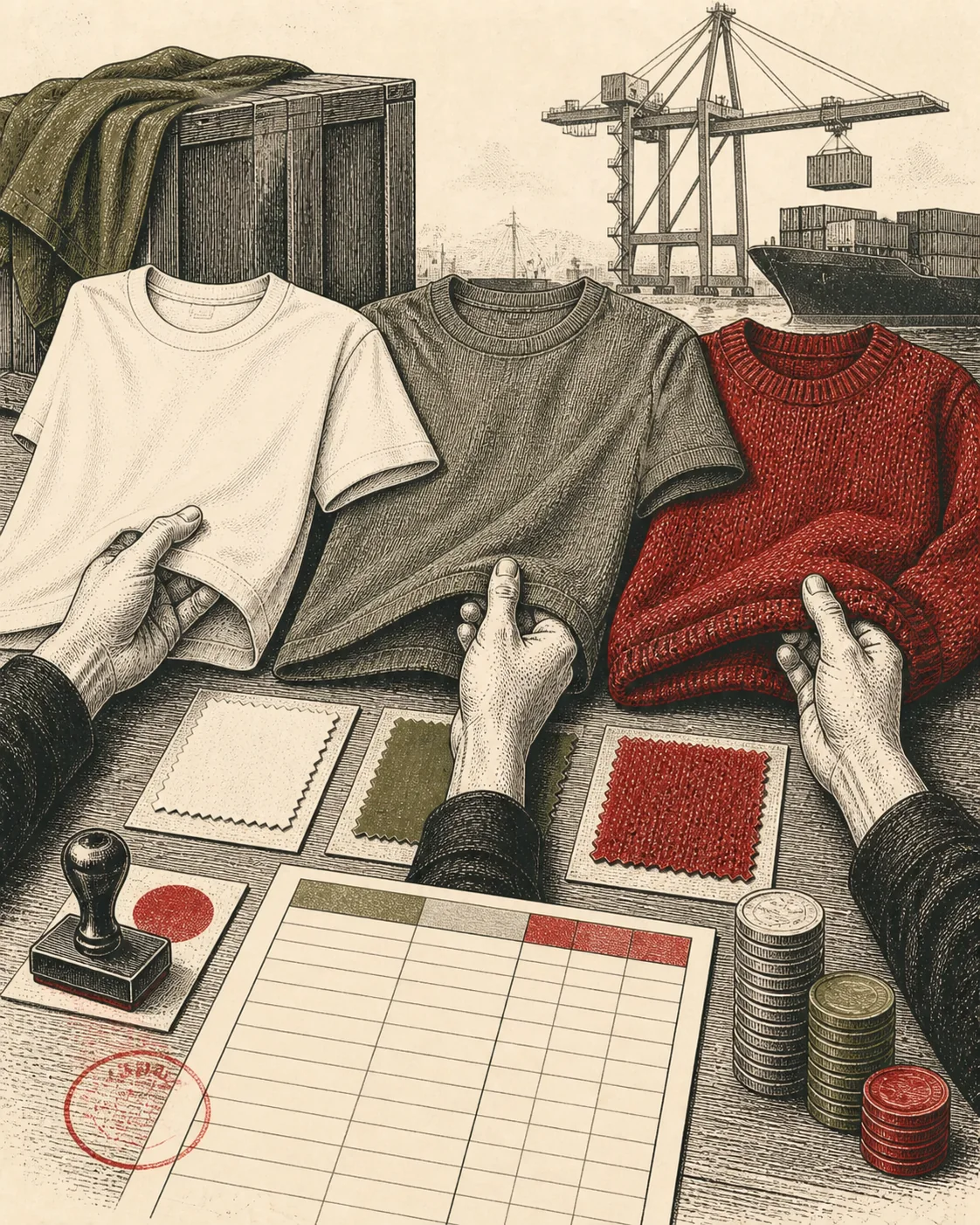
The tariff on your t-shirt
Line 6109.10.00 of the tariff schedule looks like paperwork. Read next to line 6110.12.10, it is a map of who the tax code decided could afford to pay more for a shirt.
The thirty wears rule has no study behind it
Ask where the thirty comes from and the citations stop at a hashtag. The number has a founder and a date. It never had a study.
The uprising of the 20,000: the 1909 shirtwaist strike
A twenty-three-year-old rose in a hall full of men and ended the debate. Two days later, the shirtwaist trade stopped.
Was Norma Rae a real person
The film ends on a vote count. The real fight ran six more years, into the boardrooms of banks that had never touched a bolt of cloth.
The zoot suit riots and the order behind them
A drape jacket, a pair of pegged trousers, and a wartime rule about how much wool a suit could use. Here is how a garment became a target.
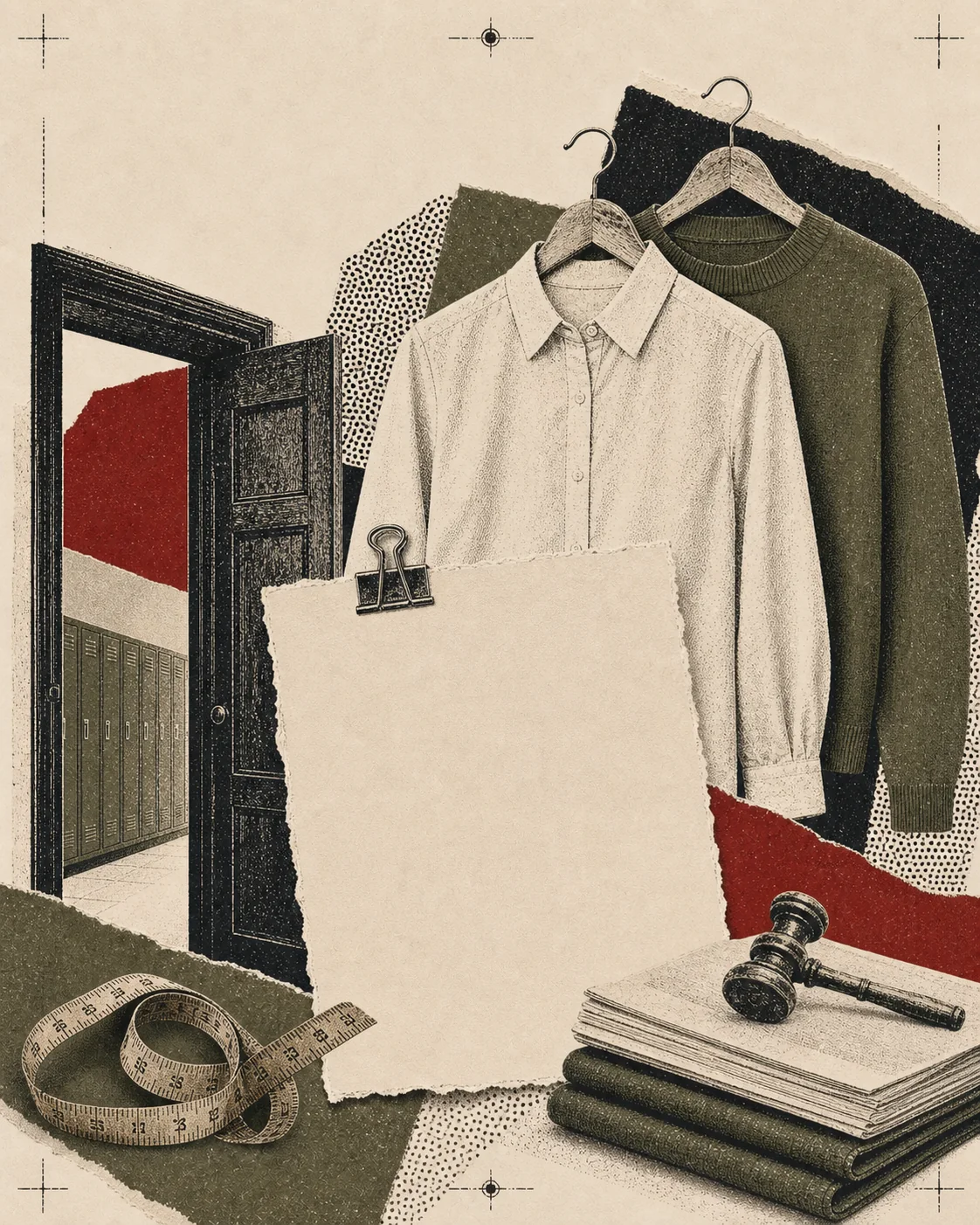
What a dress code can legally require
The belief that any dress code treating men and women differently is now illegal skips over a Ninth Circuit case that says otherwise, and a live legal fight over what comes next.
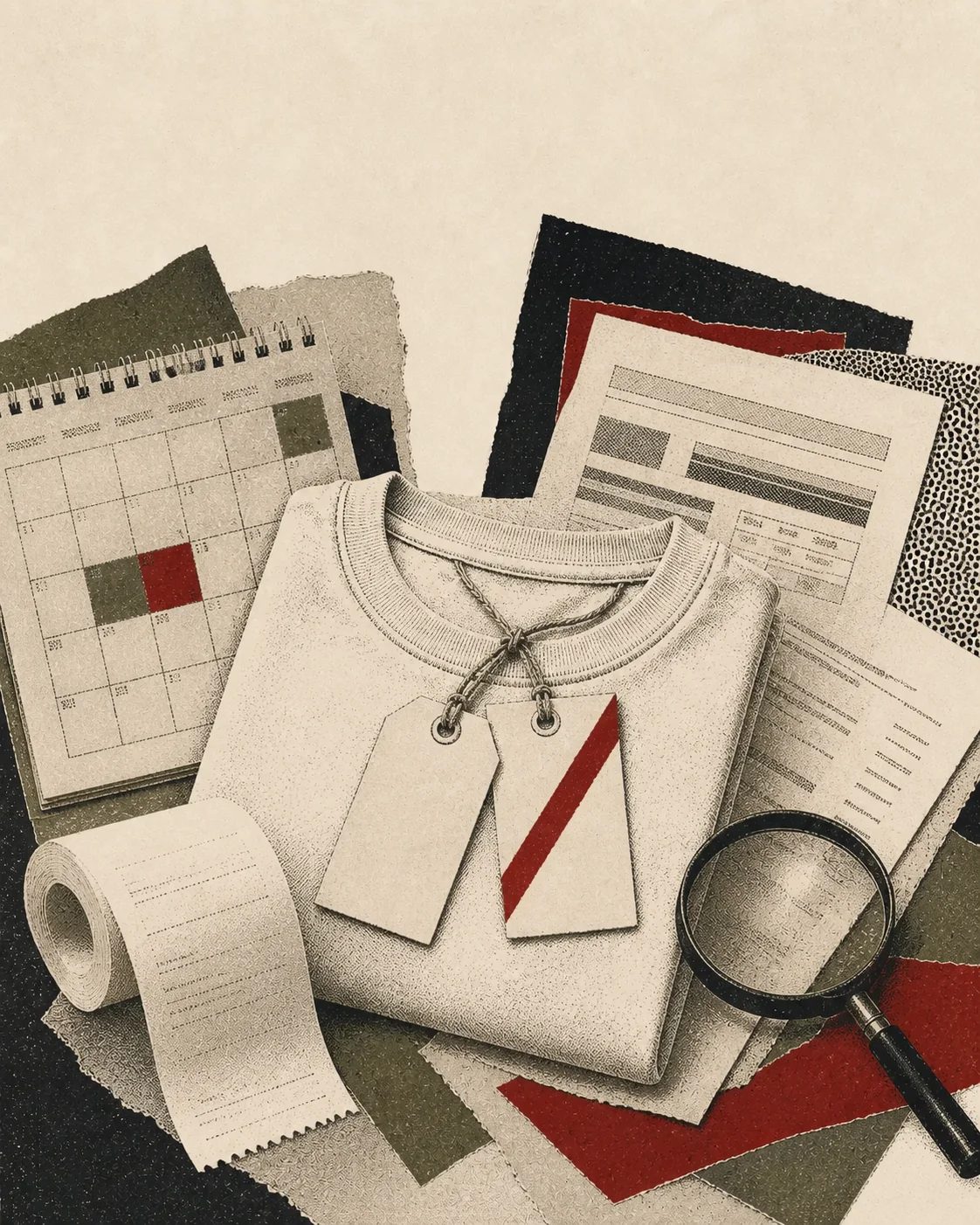
What a sale price actually means
A struck-through number is a legal claim before it is a bargain. Most of the time nobody checks it.
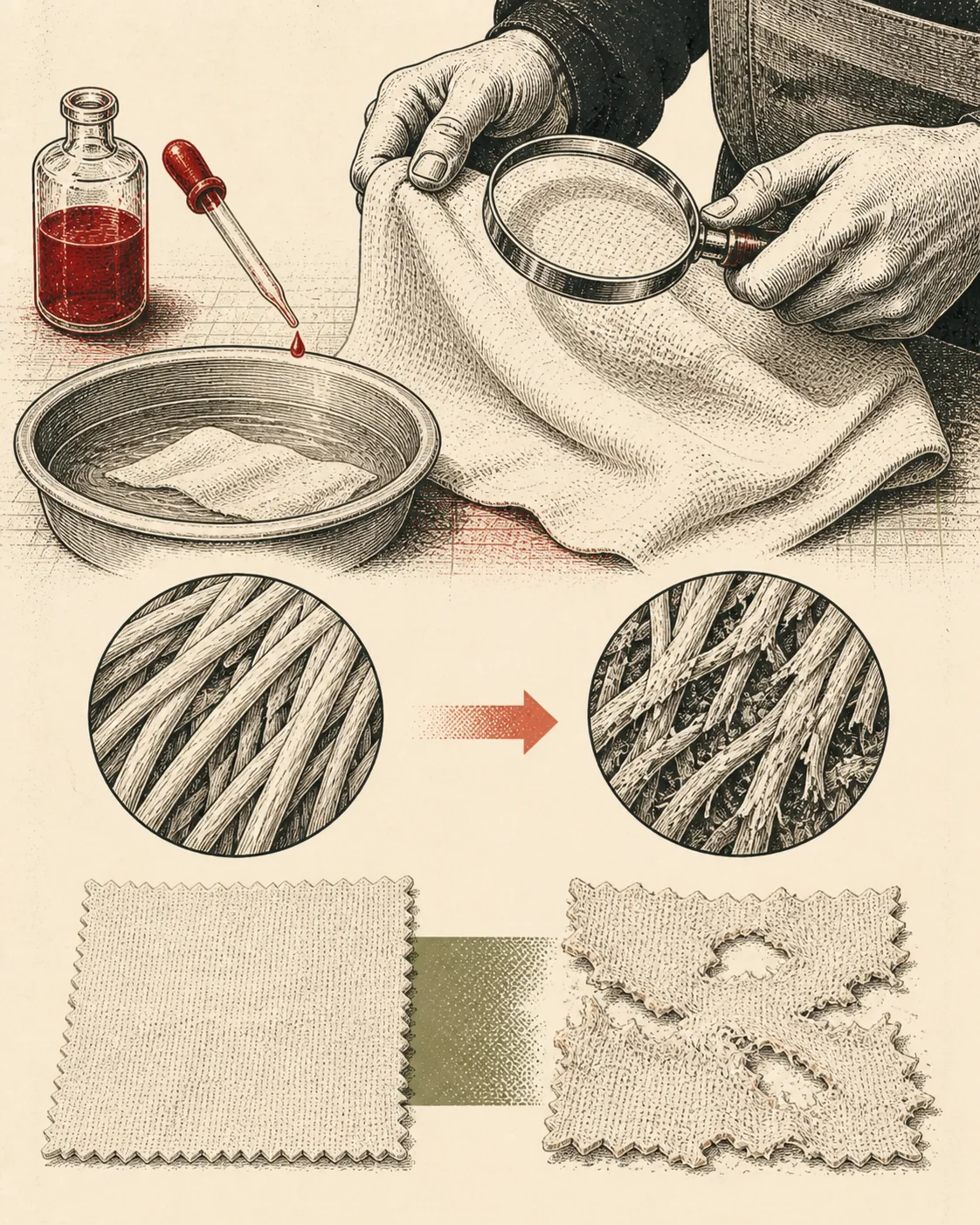
What bleach actually does to cotton
The bottle does not tell you it is attacking the shirt at the same time as the stain. The chemistry explains why the damage shows up late.
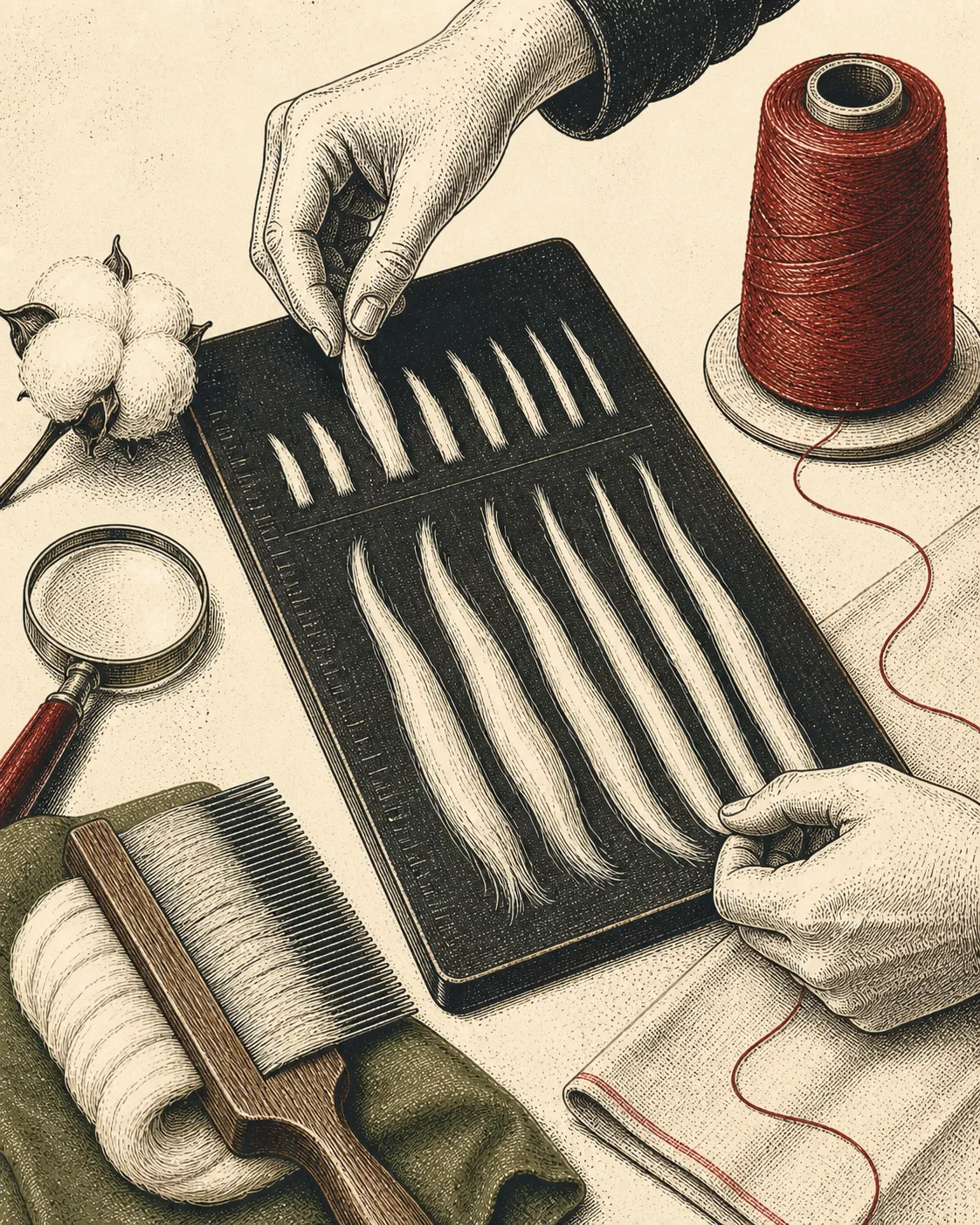
What cotton staple length means
One measurement, made with a clamp and a comb, decides whether a cotton fiber can call itself Pima. Here is what the classer is actually looking at.
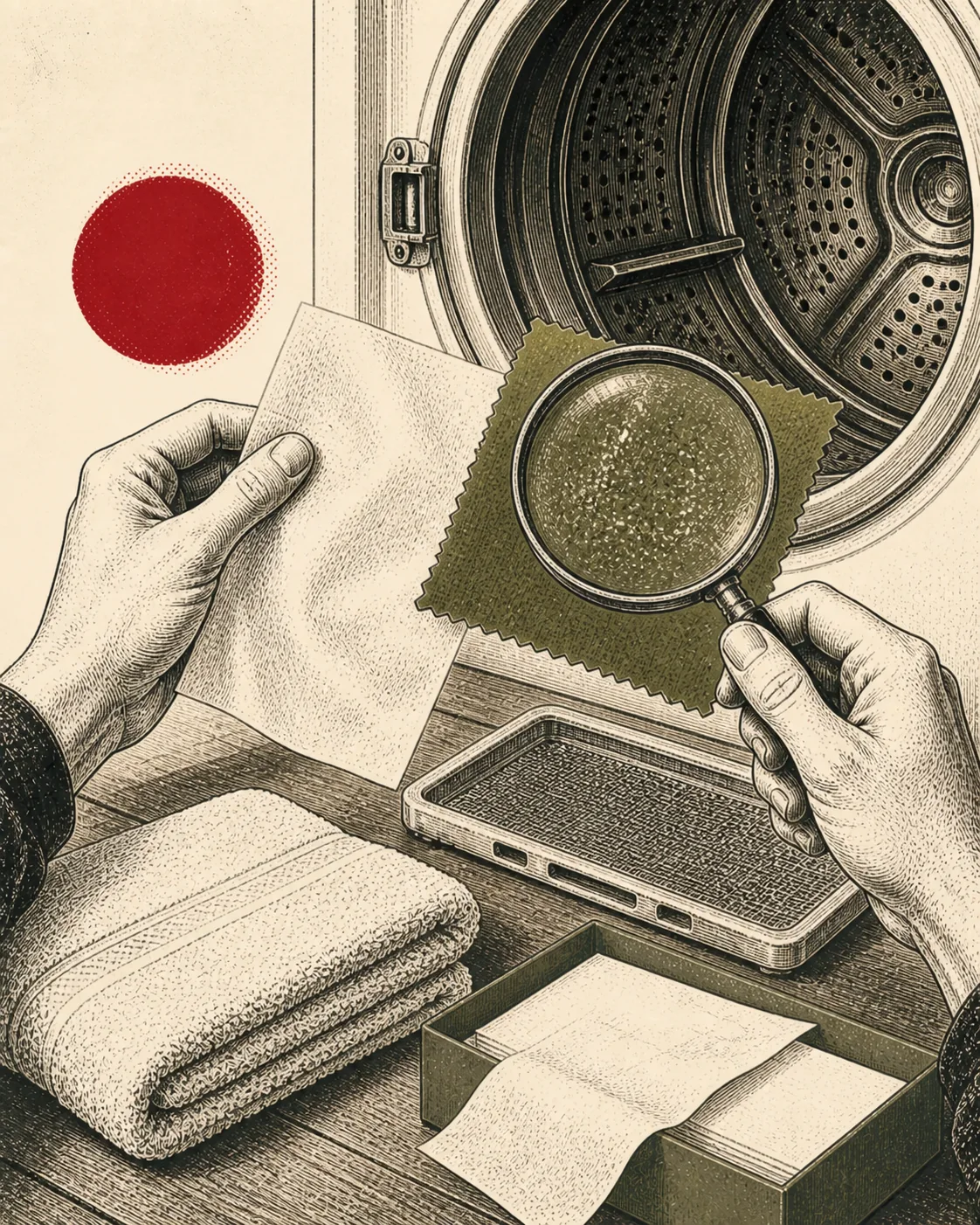
What dryer sheets actually do to your clothes
The sheet does not vanish into the air. It melts onto the fabric and stays there, wash after wash, doing one specific chemical job.
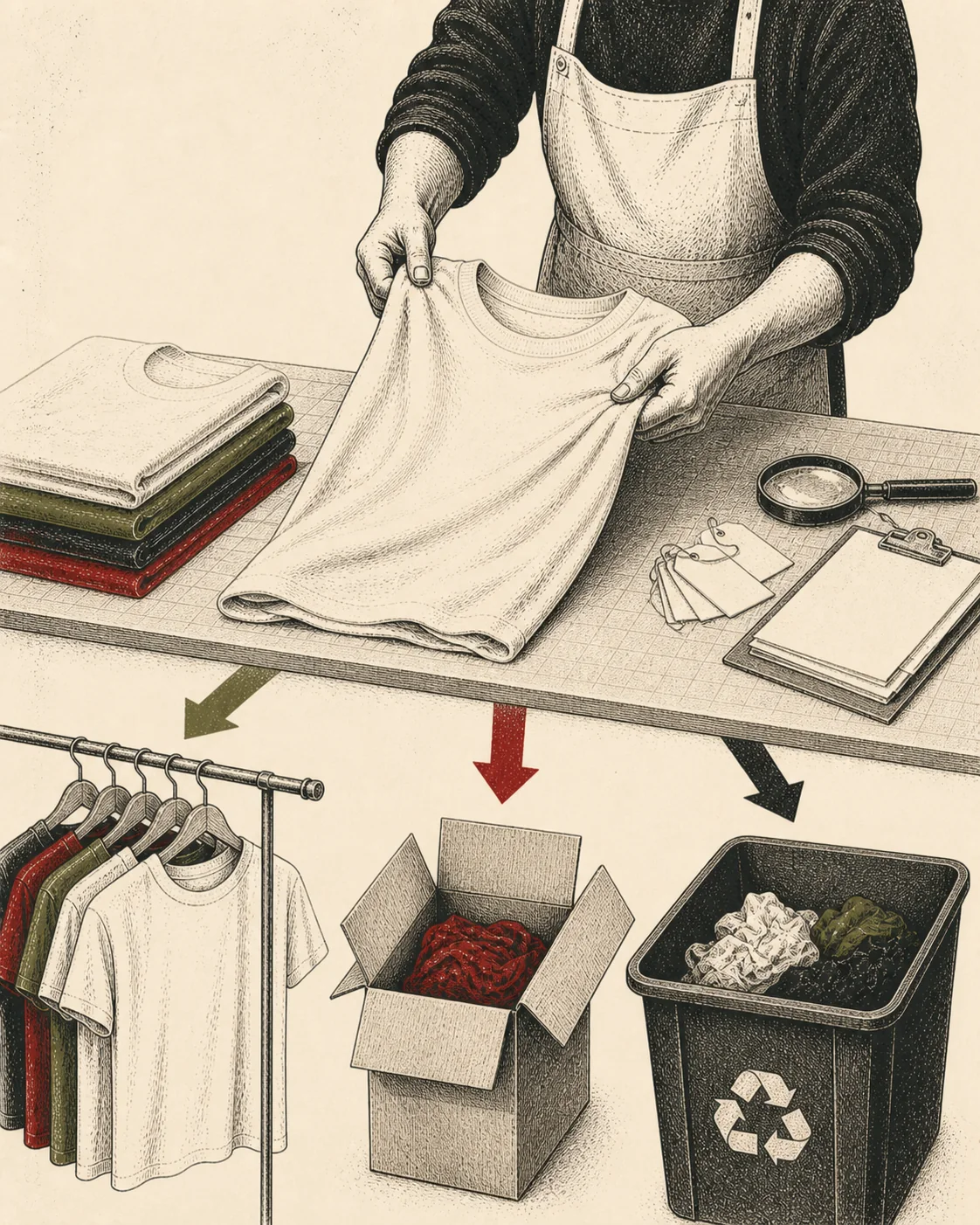
What actually happens to a returned shirt
The box goes back. Here is everywhere it can go after that, and why a retailer sometimes tells you to keep it instead.
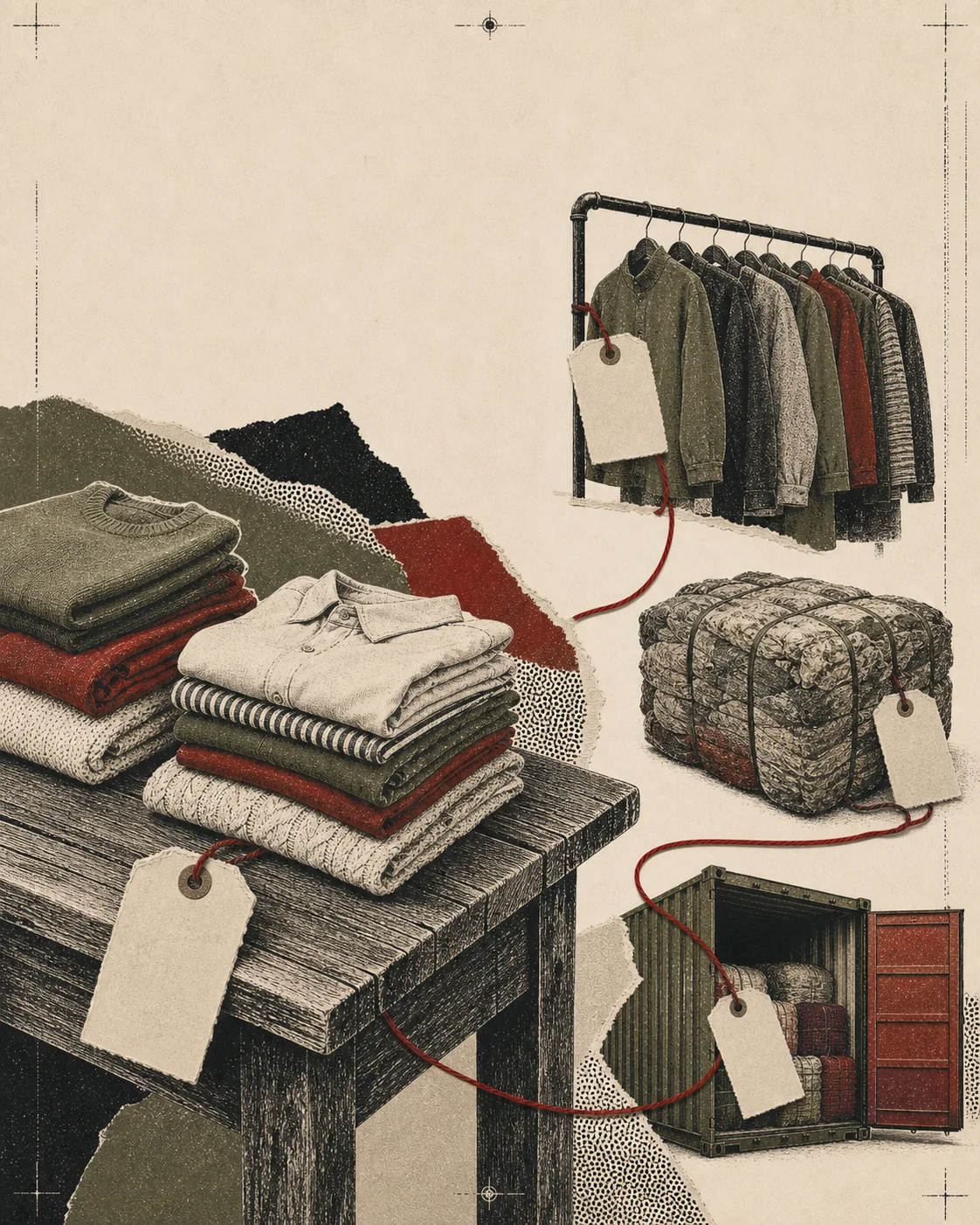
Where donated clothes actually go
The donation bin does not print an itinerary. Here is the one a garment actually travels, bale by bale, to a market in Accra where the arithmetic gets argued over in public.
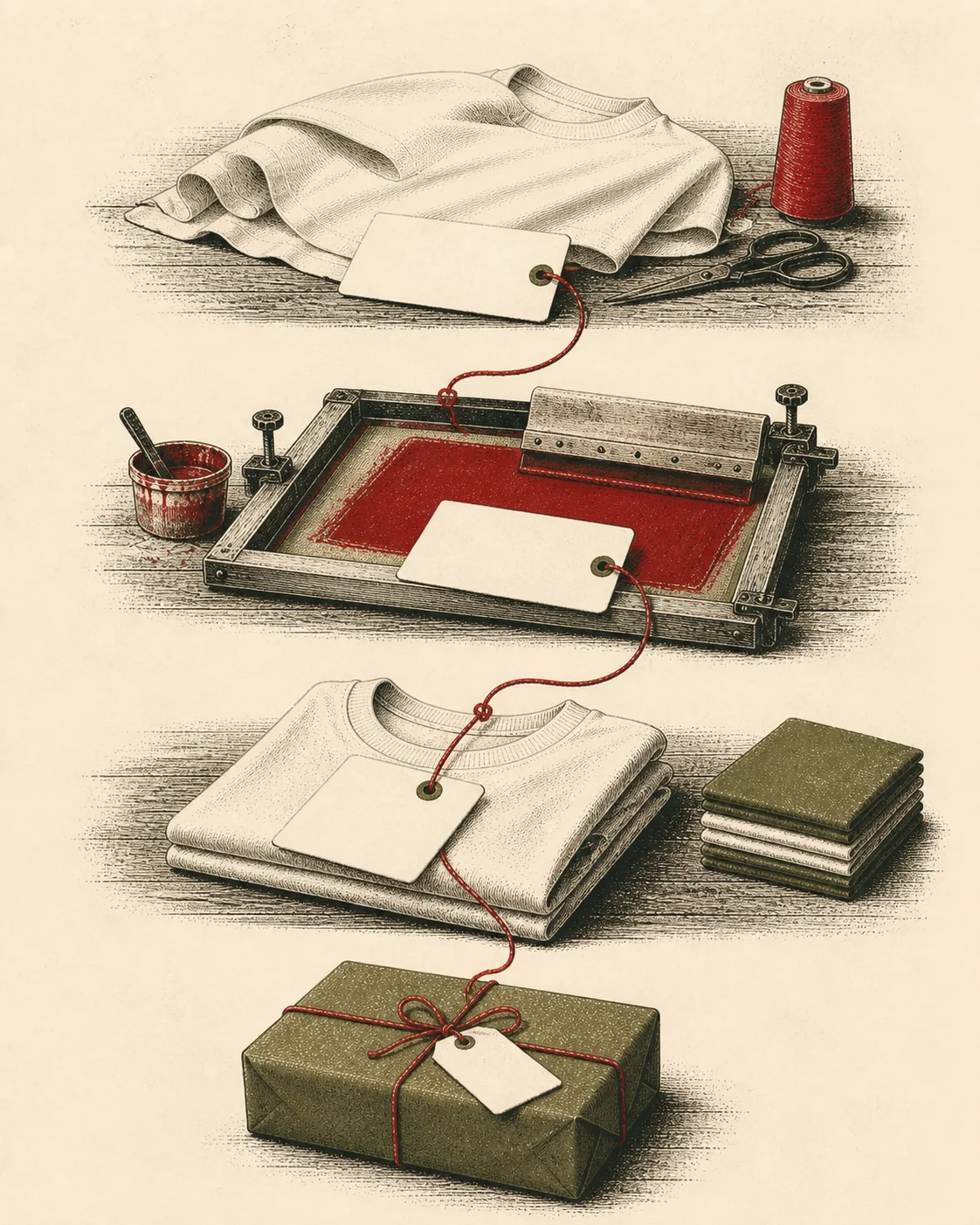
What happens when you order made to order
You click buy and a shirt starts existing that didn't before. Here is the sequence, hour by hour and day by day, nothing skipped and nothing added.
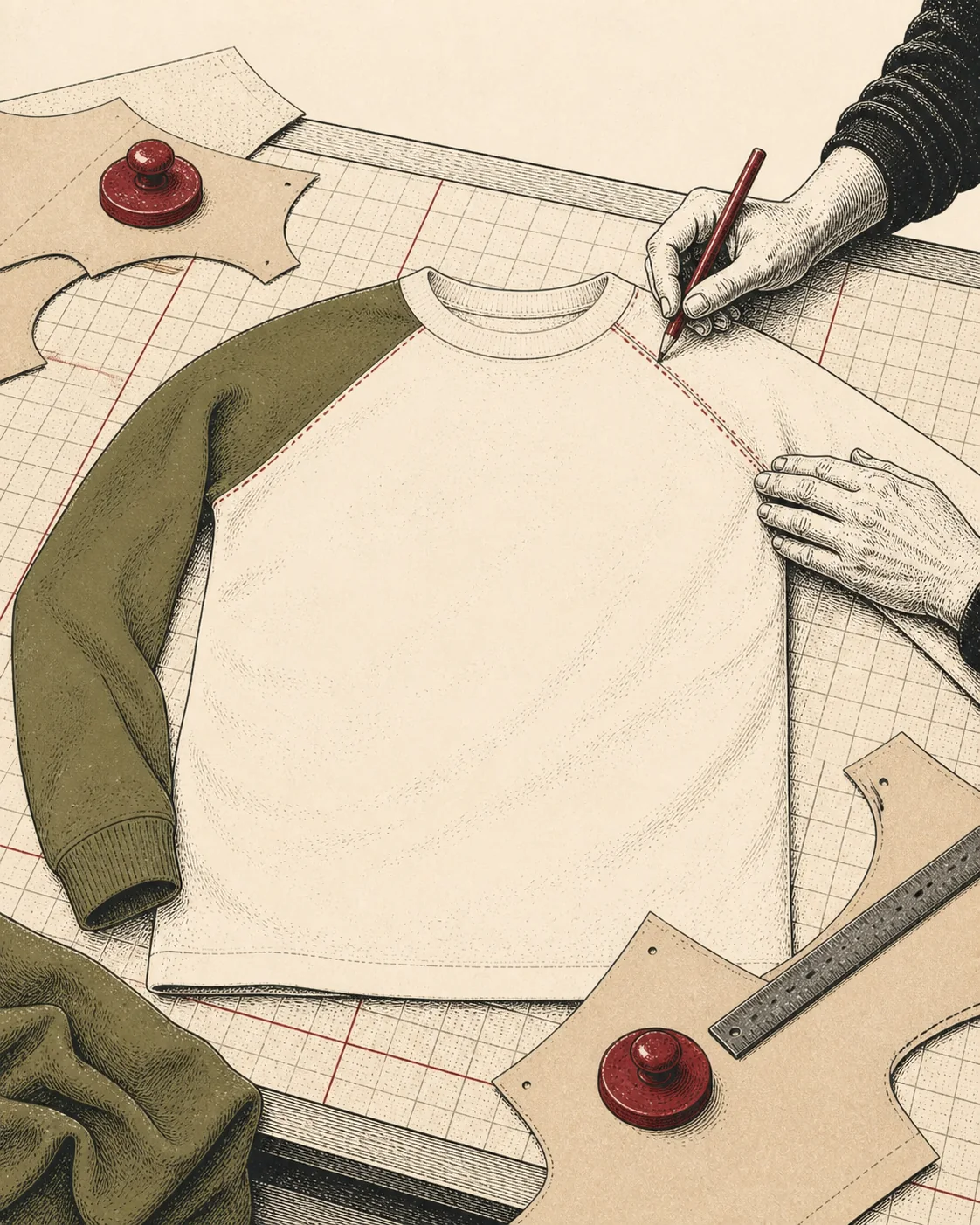
What is a raglan sleeve
One diagonal seam instead of a shoulder seam, and the whole garment moves differently because of it.
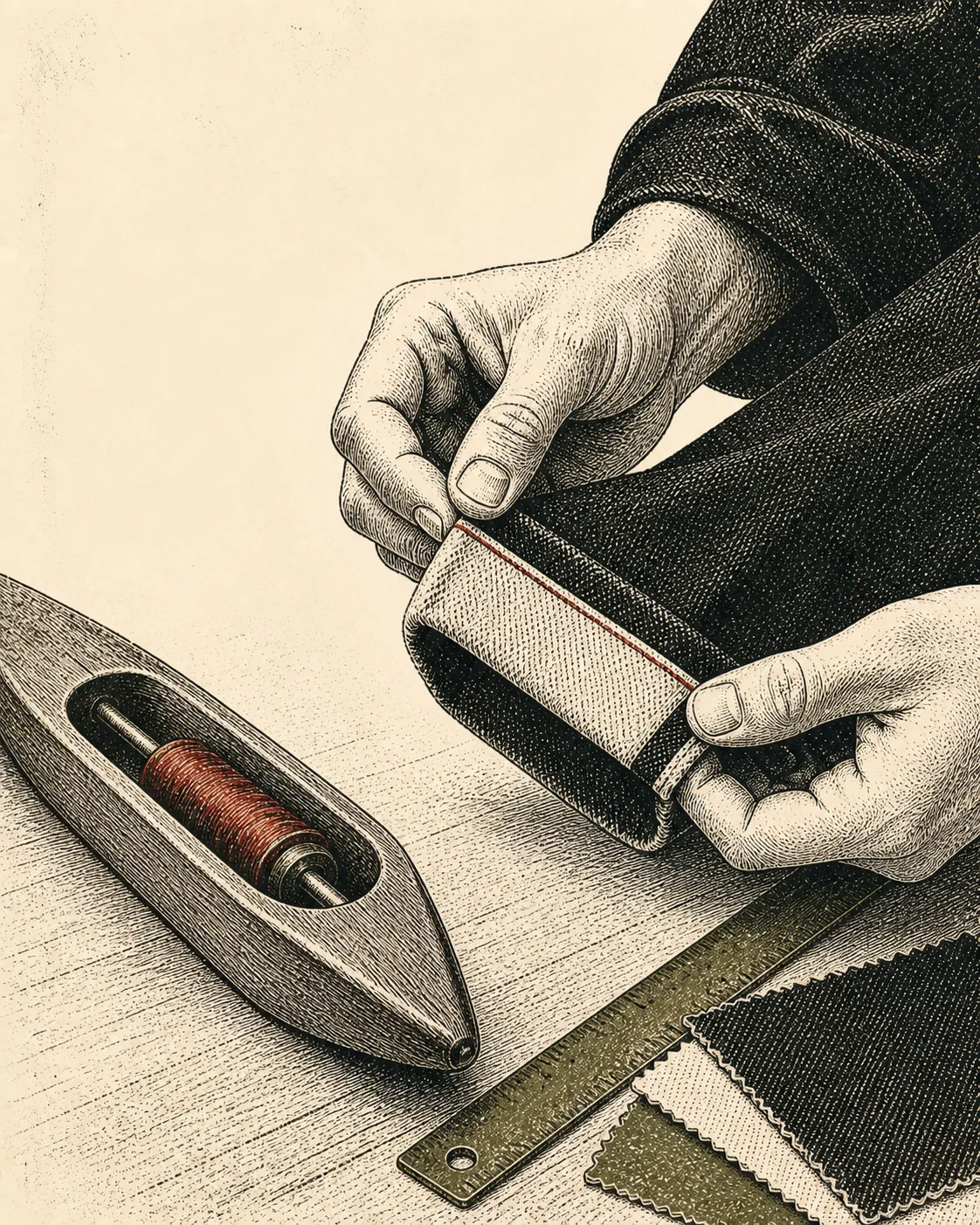
What is selvedge denim
The edge that shows when you cuff a pair of jeans comes from a loom the industry mostly stopped using in 1980. Here is what survived the switch and what didn't.
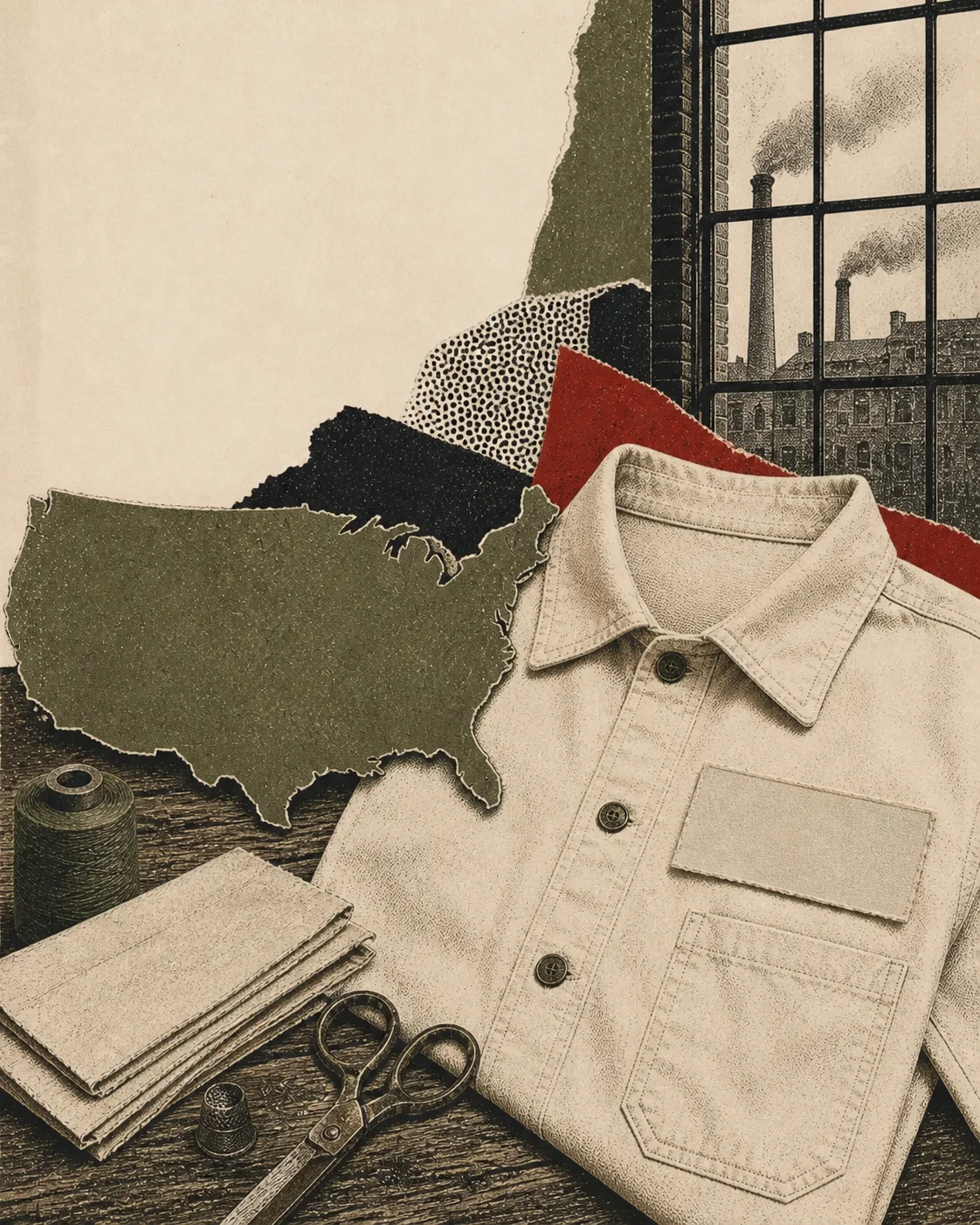
What Made in USA legally means
A label that says Made in USA is making a specific legal promise, one the FTC can fine a company tens of thousands of dollars per violation for breaking. Here is what the promise actually contains.
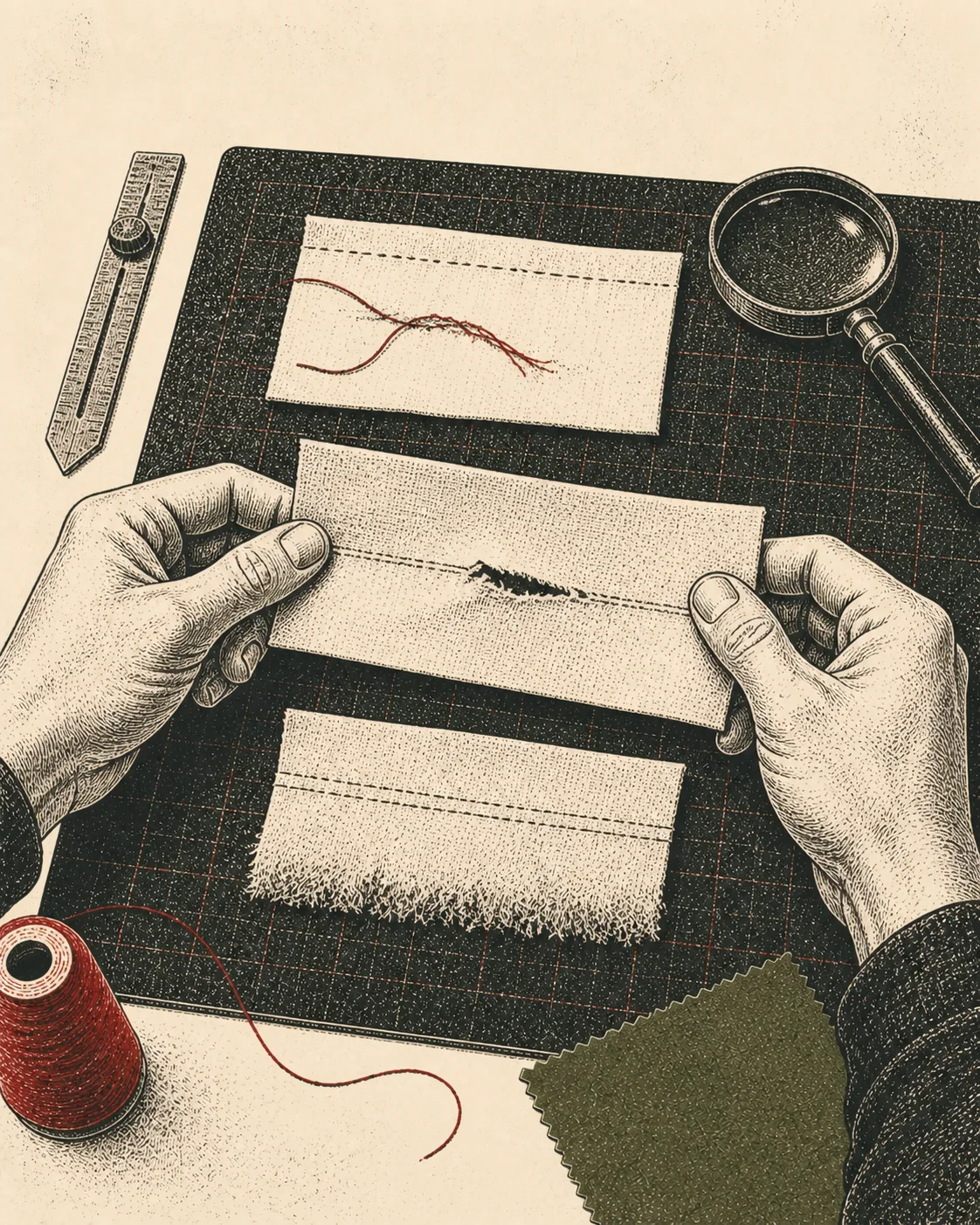
What actually makes a seam fail
Pull the two sides of a split seam apart and the wreckage tells you exactly what broke, and it is rarely the thread.
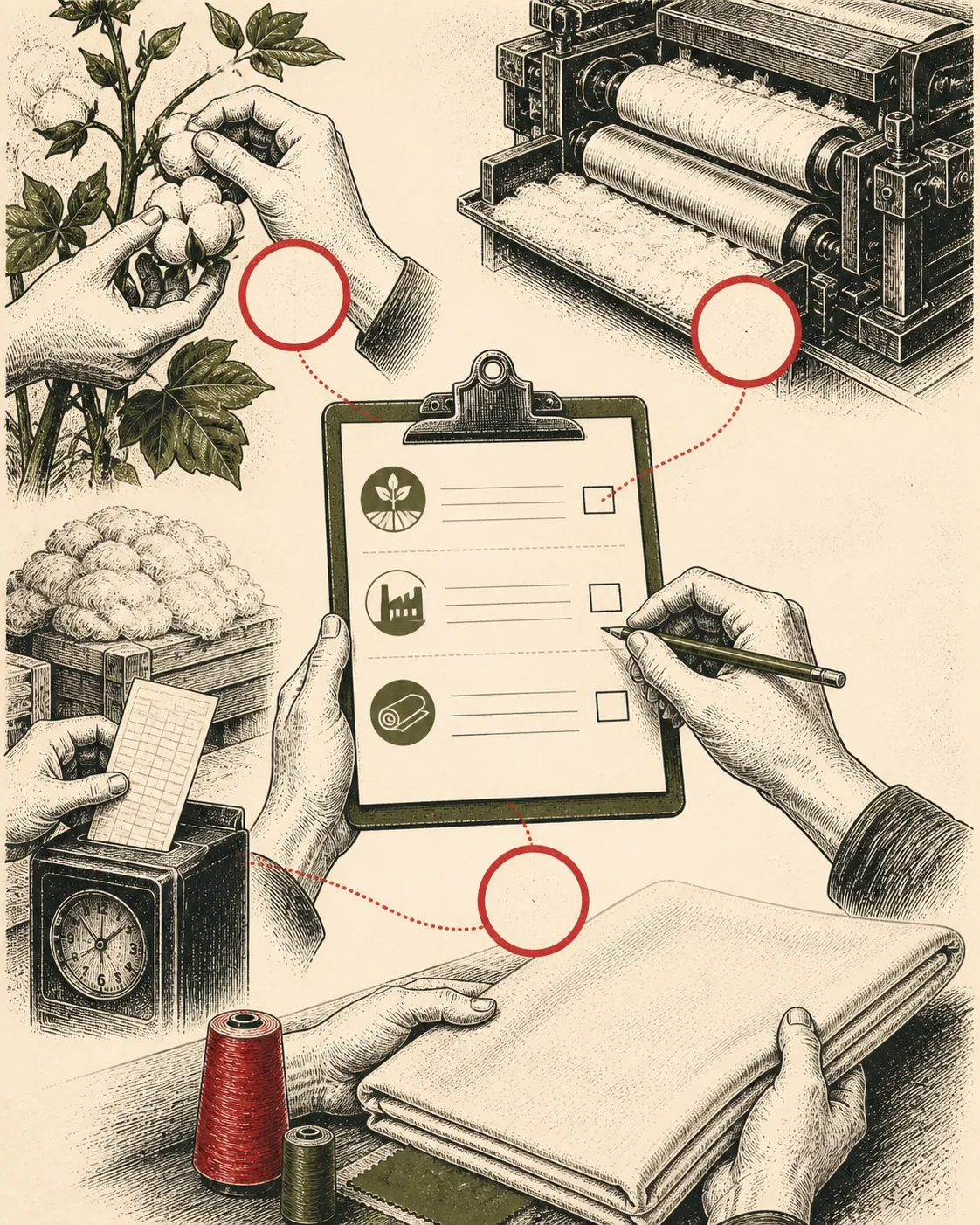
What organic cotton certification actually covers
A hangtag that says organic cotton is making one of three different promises, and the reader is rarely told which one. Here is what each scheme actually checks, and what none of them do.
What OSHA actually does
Not a badge that shuts a job site down. A statute, a complaint form, and a court order in most of the cases that actually matter.
What schools can actually say about what you wear
A black armband won in 1969. A khaki uniform mandate won in 2001. Both cases are about clothing at school, and they were decided under almost entirely different law.
What the Taft-Hartley Act actually took away
Right-to-work reads as a state's own idea. It is a federal permission slip, written into a law Congress passed over a president's veto in three days.
What the Fair Labor Standards Act did
One law built the floor most American workers still stand on. It also left two entire workforces standing outside it, and named them by industry rather than by race.
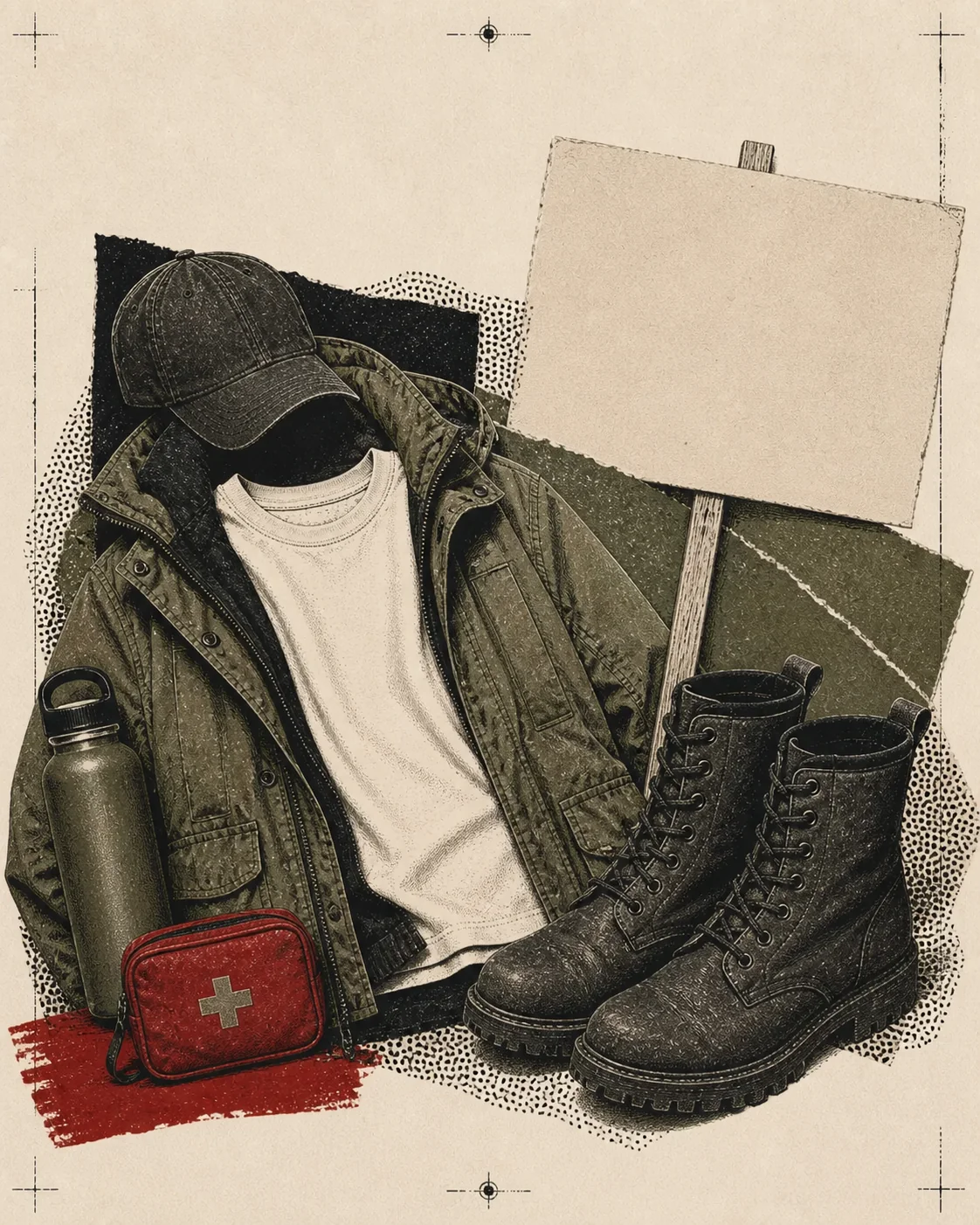
What to wear to a protest
Nothing here is tactical. It is the same packing logic as a long day outdoors, plus one line written on your arm before you leave the house.
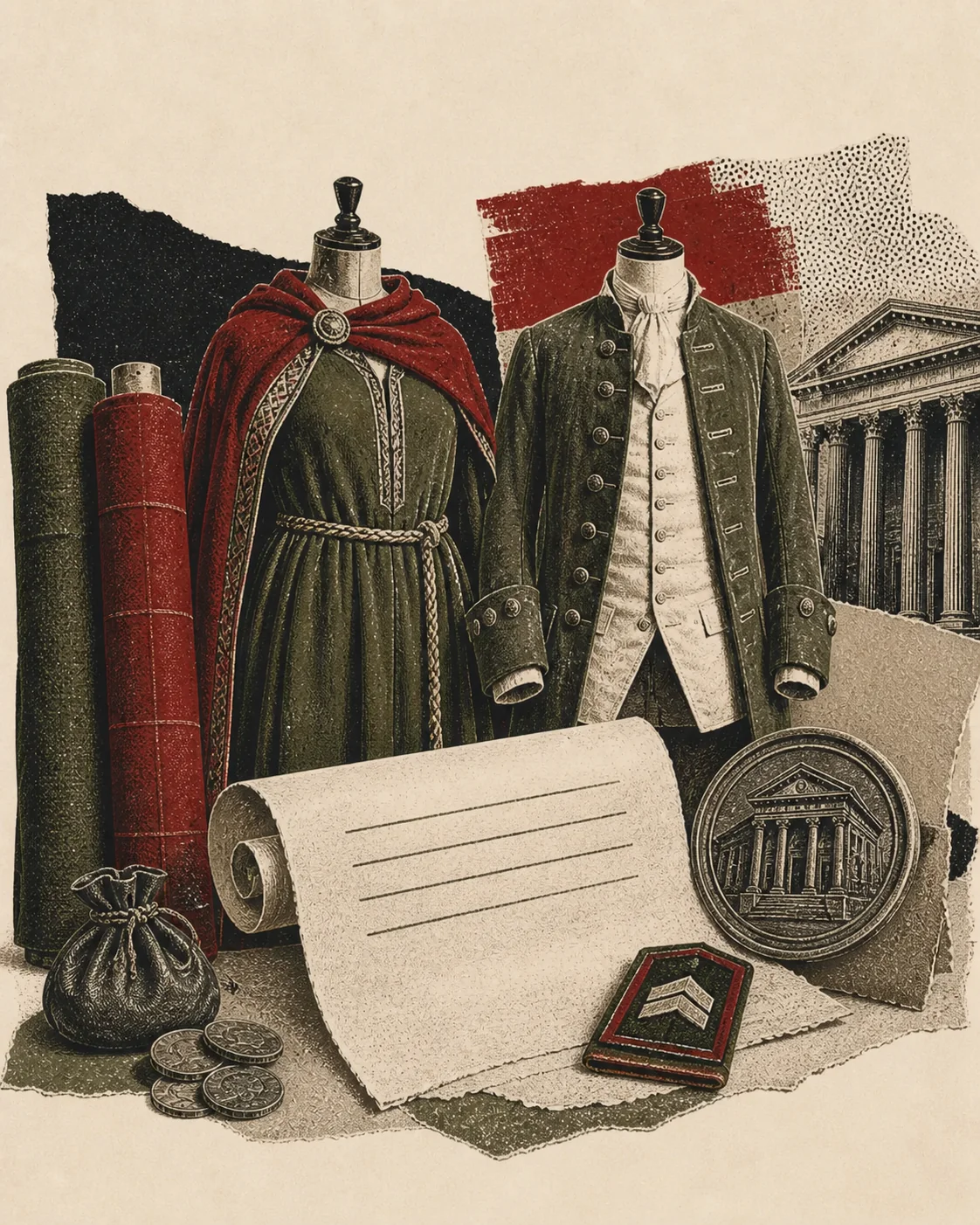
When it was illegal to wear the wrong clothes
A carter caught in fine wool wasn't committing a sin. He was committing an economic offense, and the record says so in plain language.
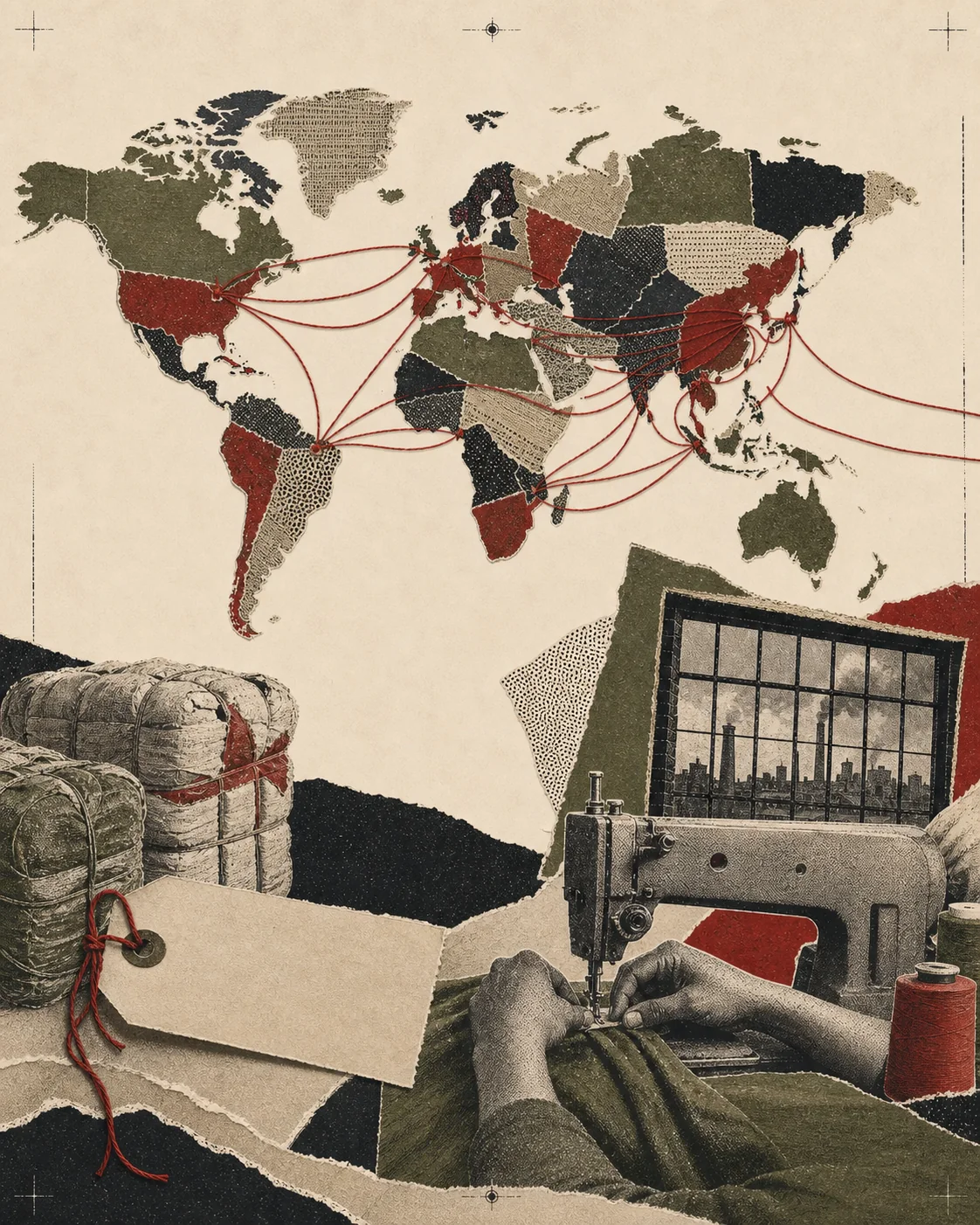
Who makes the world's clothes, by the numbers
One industry, one table: where the workers are, what share are women, and what the legal minimum pays against what a living-wage estimate says it should.
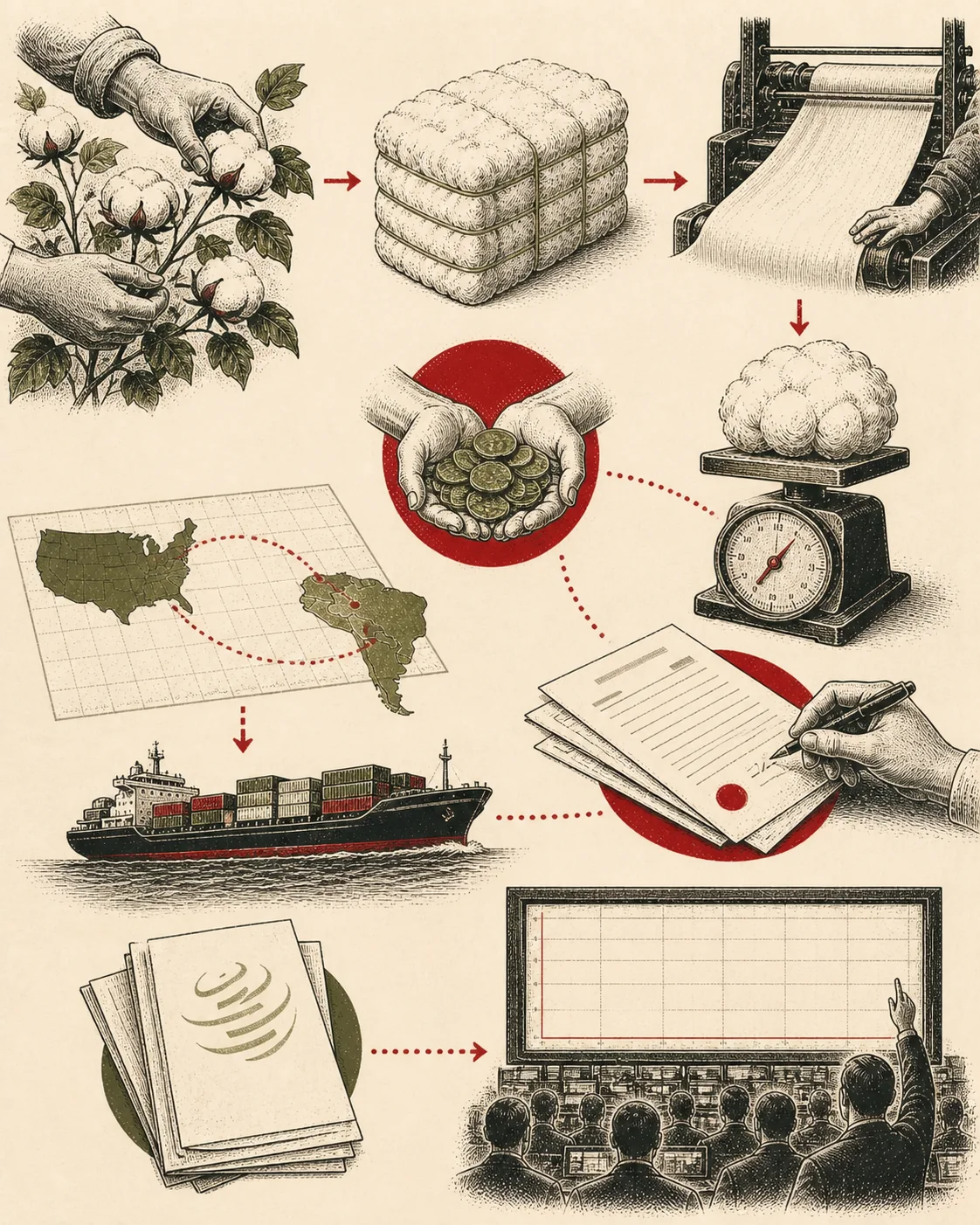
Who sets the price of cotton
A pound of cotton has a price on a screen in Georgia and a price shaped in Washington. This is the document trail connecting the two.
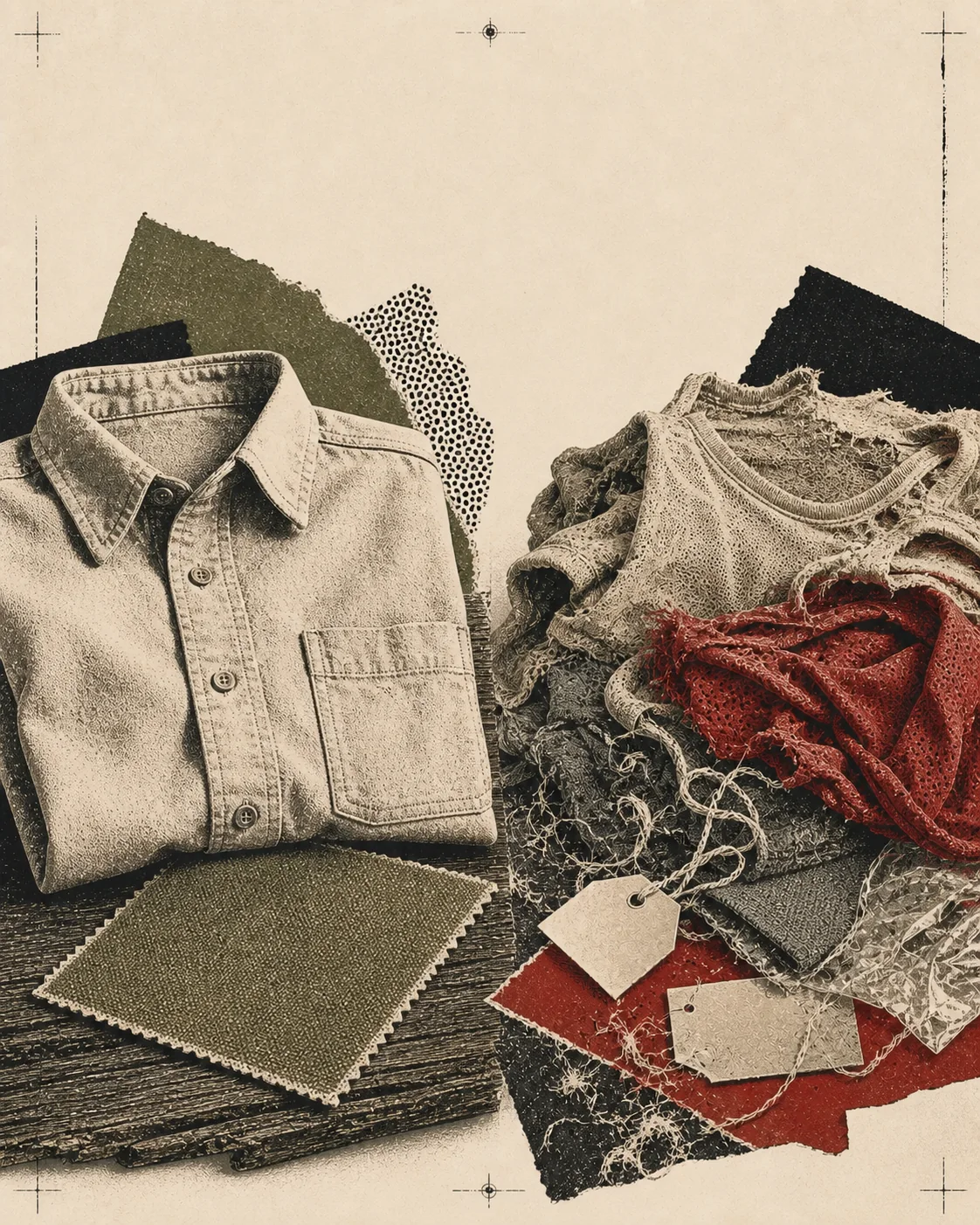
Why clothes got worse
Everyone says clothes got worse and means it as a feeling. Three government and industry data series say it too, and they say something more specific than a feeling can.
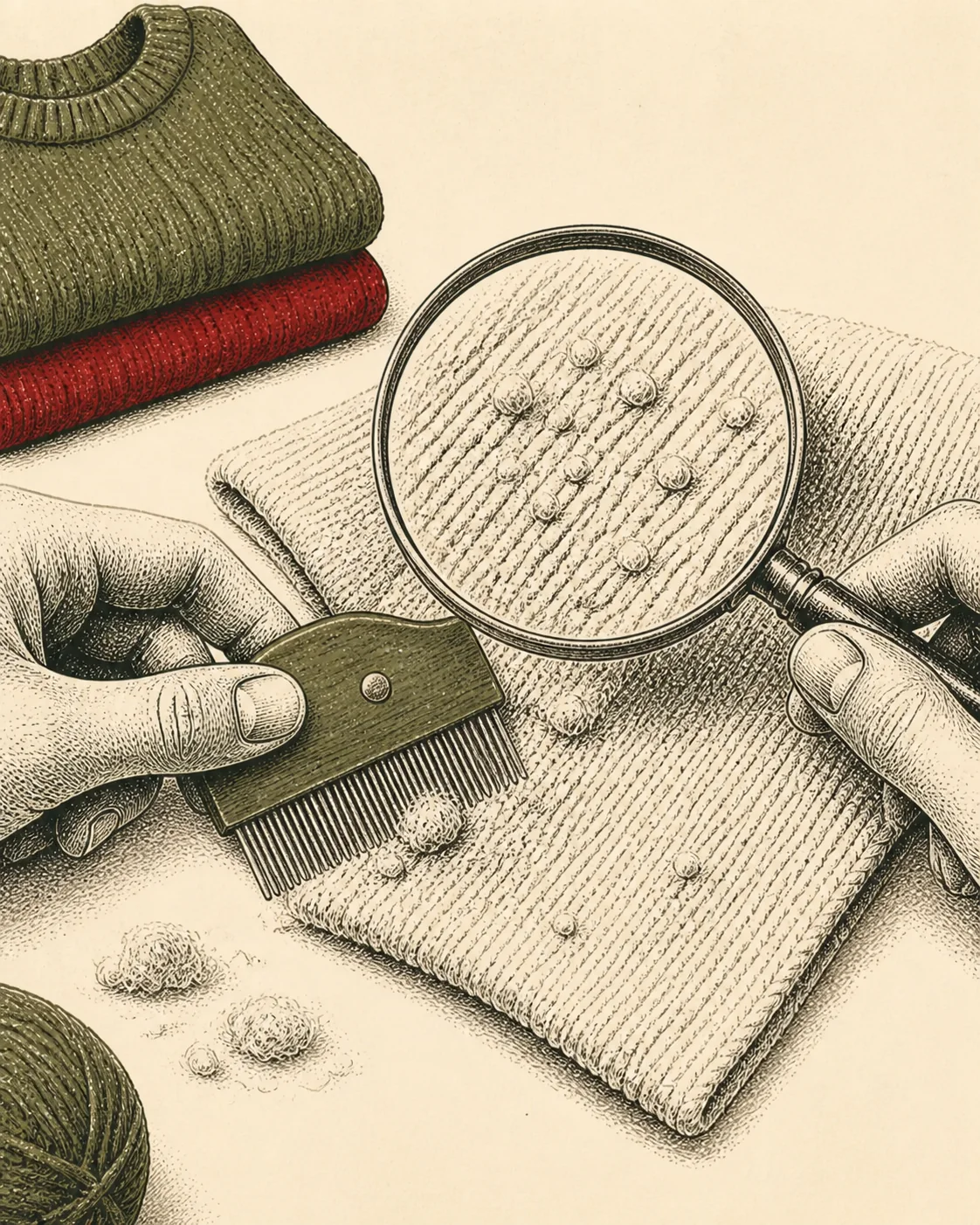
Why clothes pill
The little balls on your sleeve are your shirt, slowly leaving, one fiber at a time, and the fiber decides whether they ever fall back off.
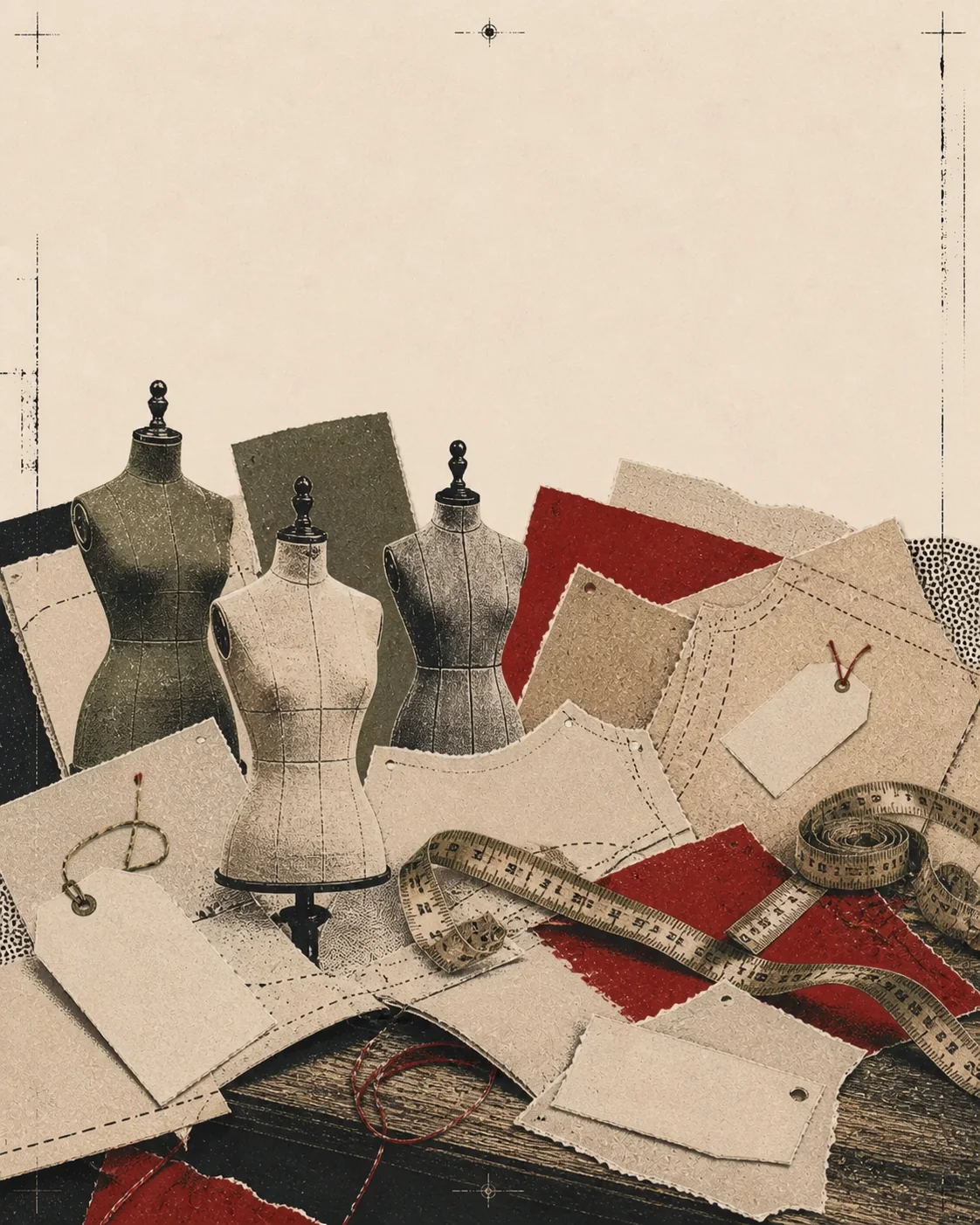
Why clothing sizes make no sense
There was a standard once. A government agency measured nearly fifteen thousand women to build it, and the industry let it expire anyway.
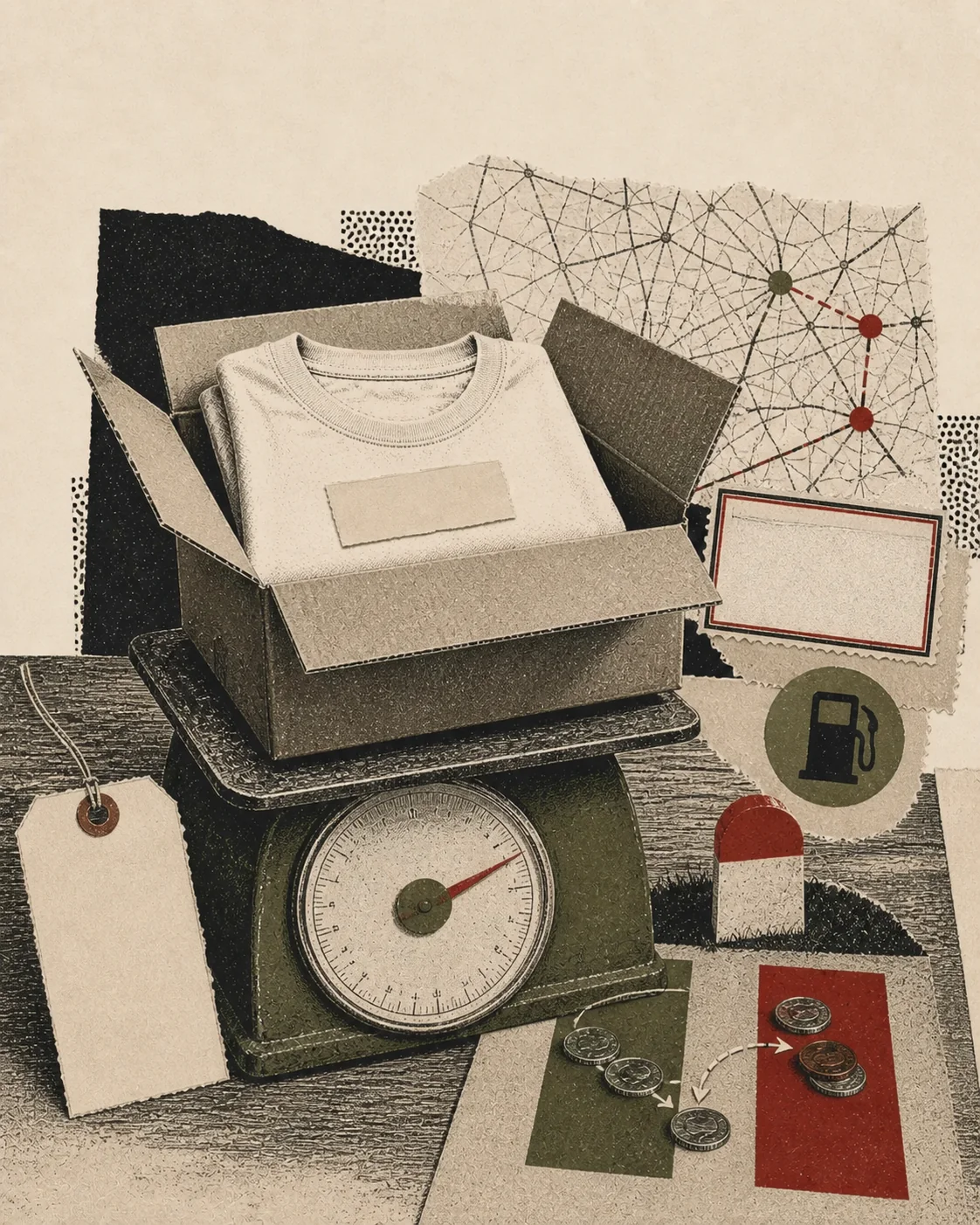
Why free shipping is not free
Nobody waived the invoice. Somebody just decided who reads it, and a fourteen-cent-per-gram carrier bill is the reason the number on your screen says zero.
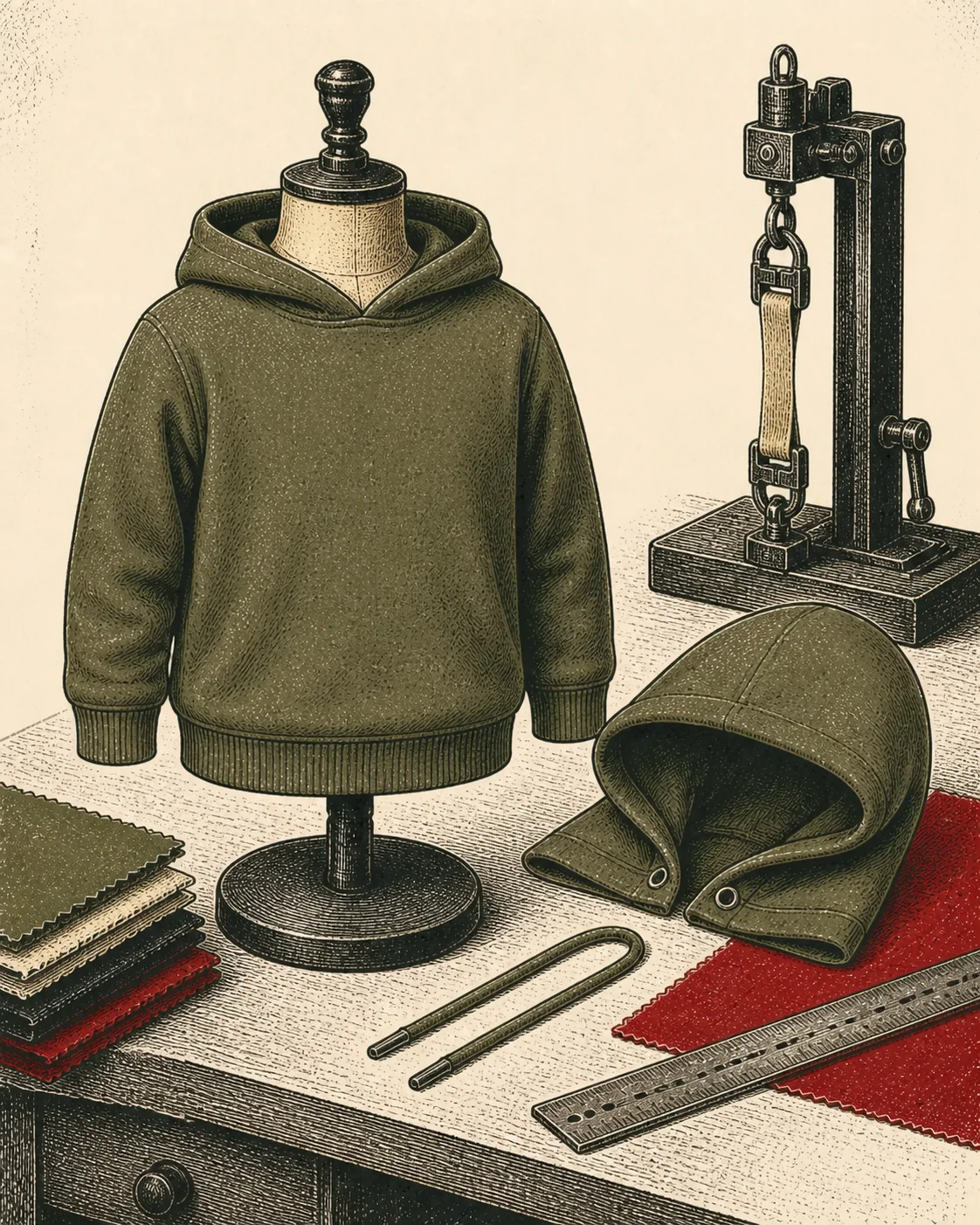
Why kids' hoodies don't have drawstrings anymore
The hood on a kid's sweatshirt used to close with a cord and two plastic tips. It doesn't anymore, and the reason is not a fashion decision.
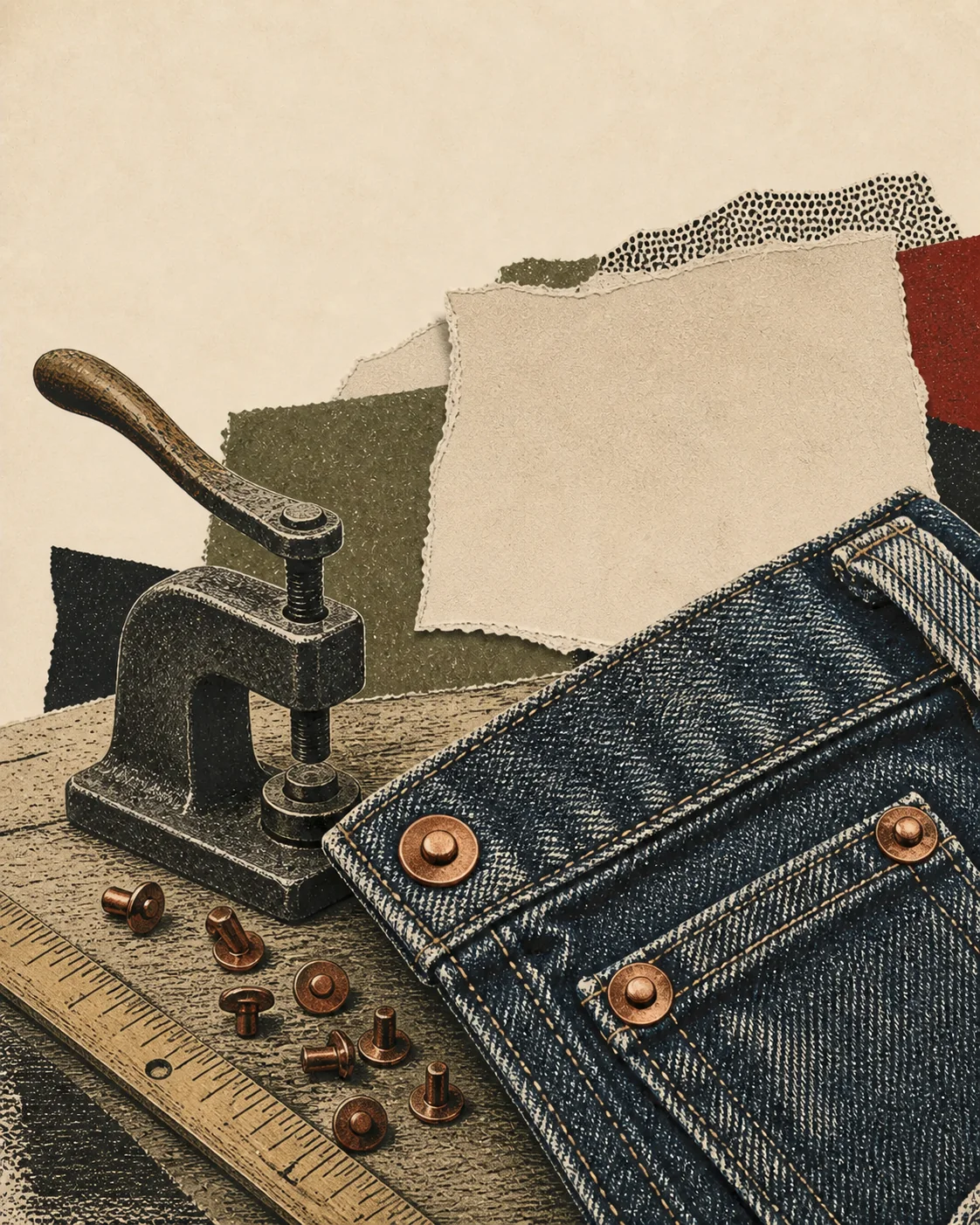
Why jeans have rivets
A Latvian-born tailor in Reno could not afford the patent fee on his own idea. So he wrote to his fabric supplier, and the two of them changed what pants are made of.
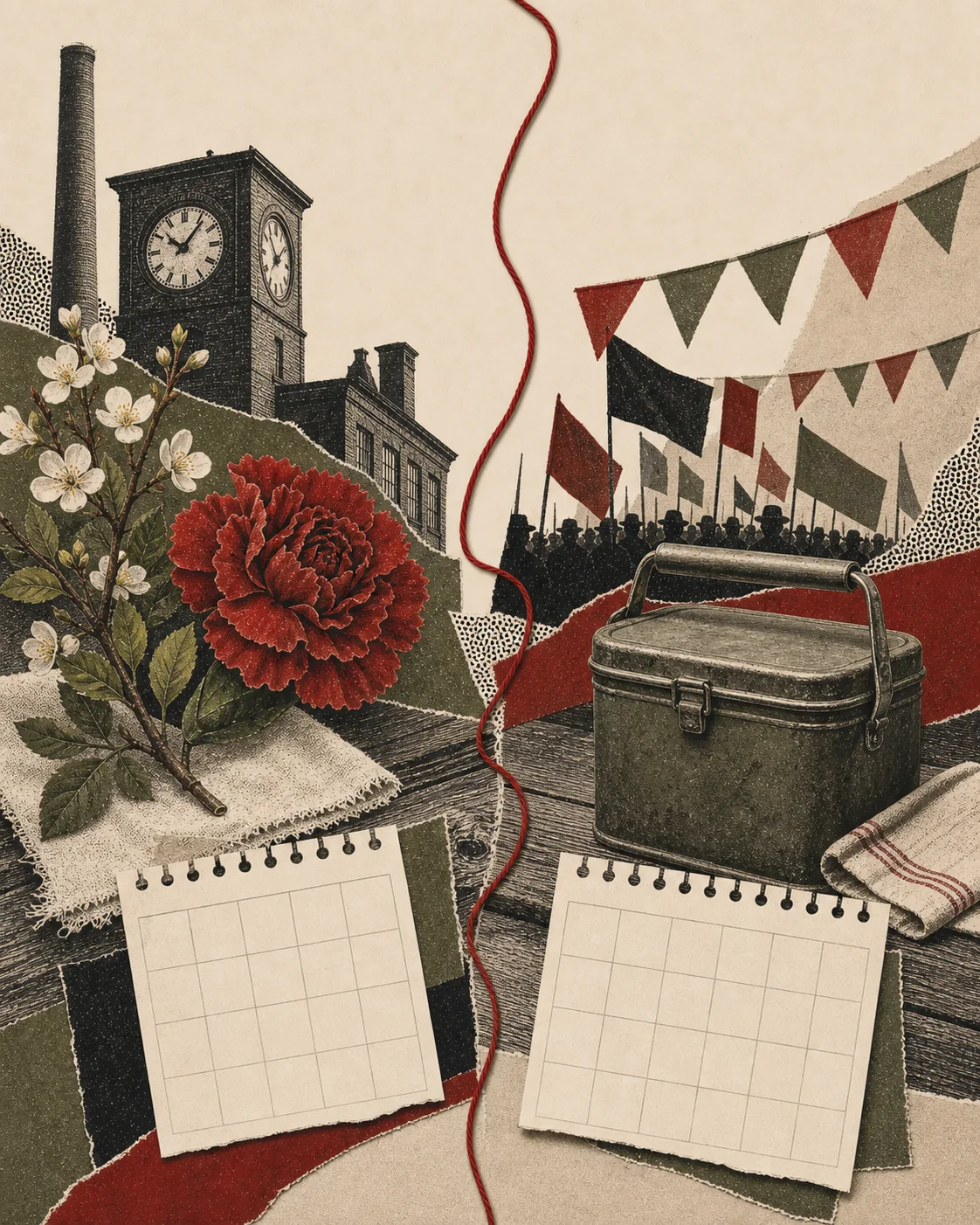
Why May Day is not Labor Day in America
The rest of the world's workers' holiday points straight at Chicago. Ours points away from it, and the distance was deliberate.
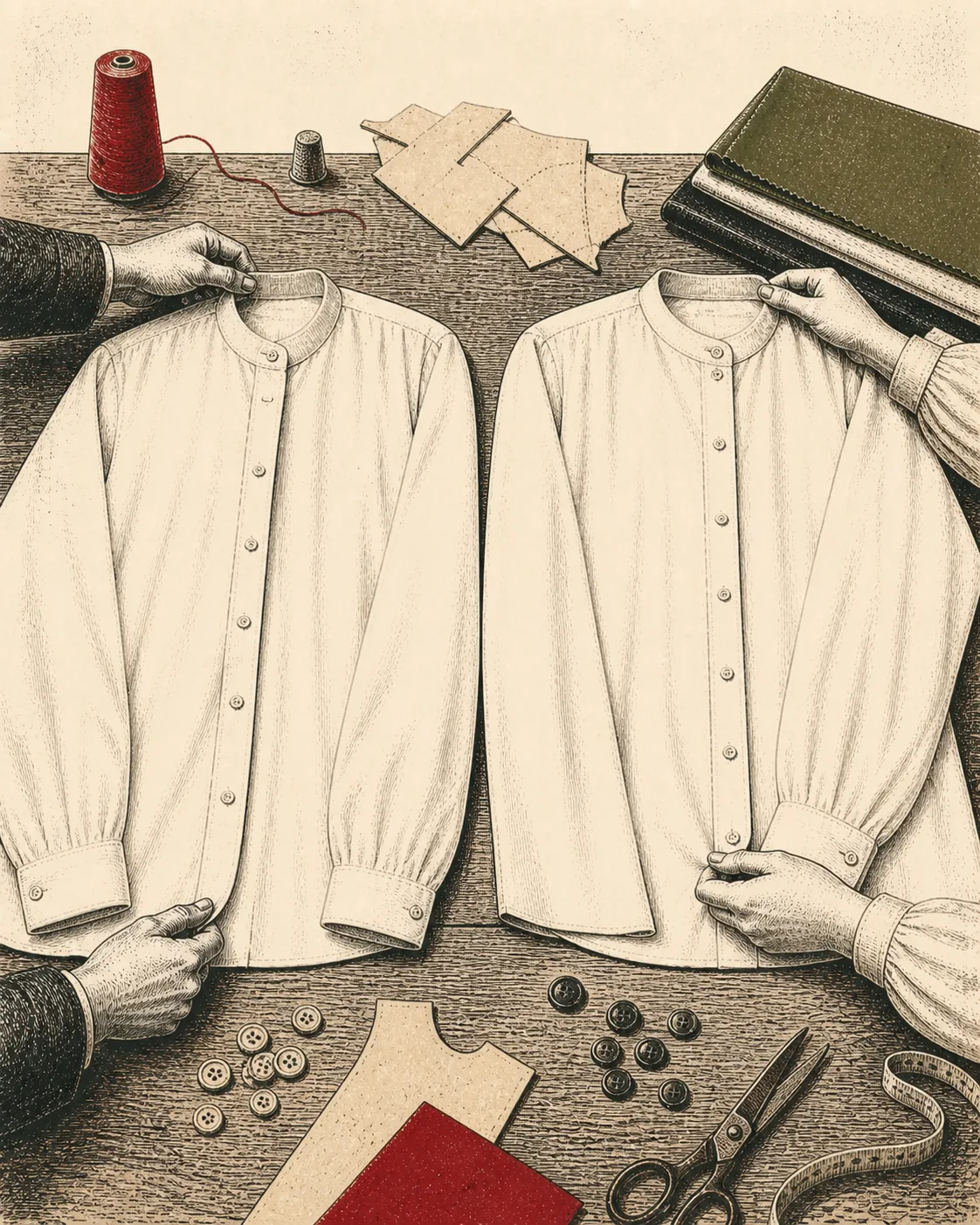
Why men's and women's buttons are on opposite sides
Every closet has the answer stitched into it. Nobody, including the people paid to know, can tell you why it's true.
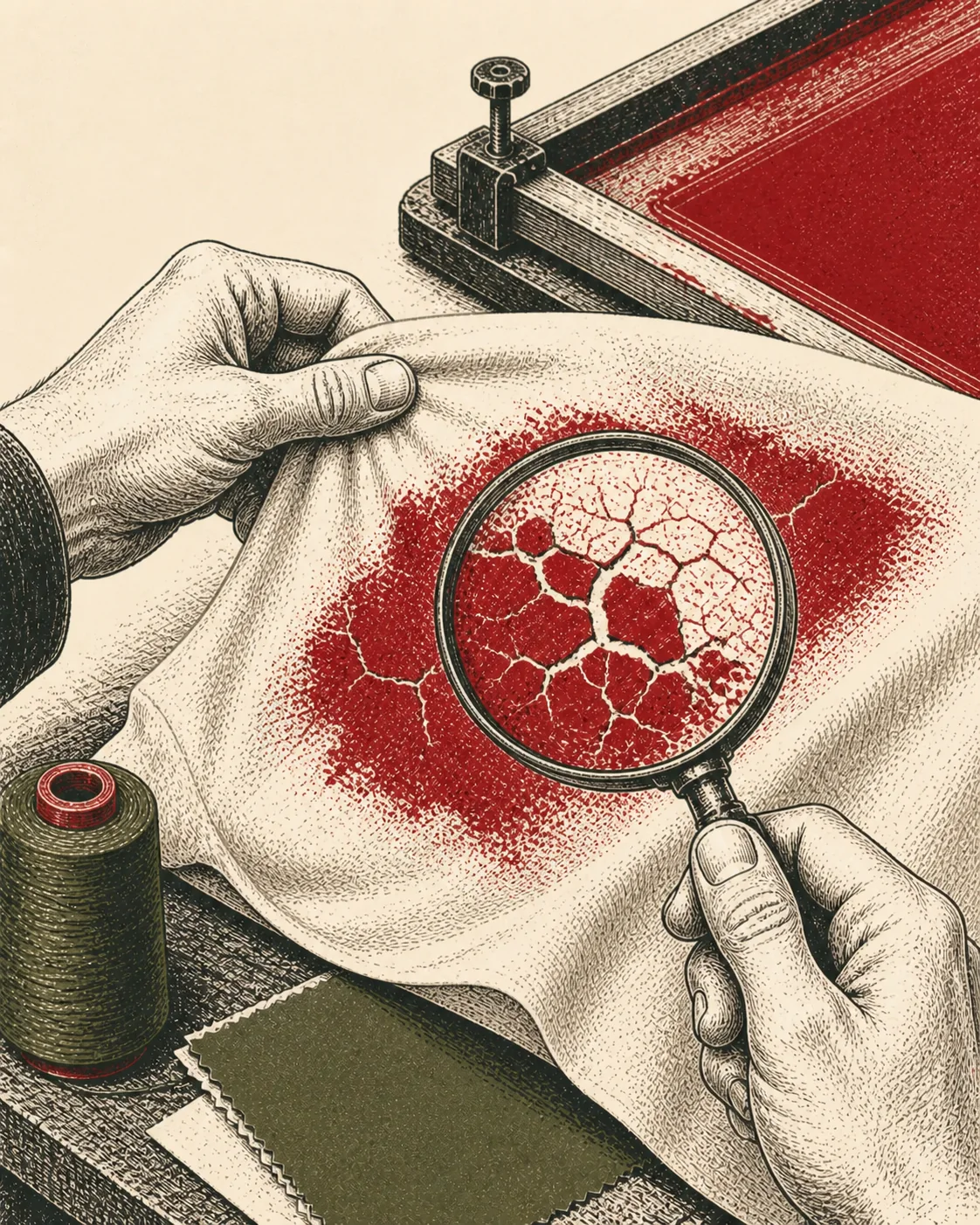
Why screen prints crack
The print on your favorite tee is either going to outlive the shirt or fail in a season. The difference gets decided in about ninety seconds, at the printer, long before you ever touch it.
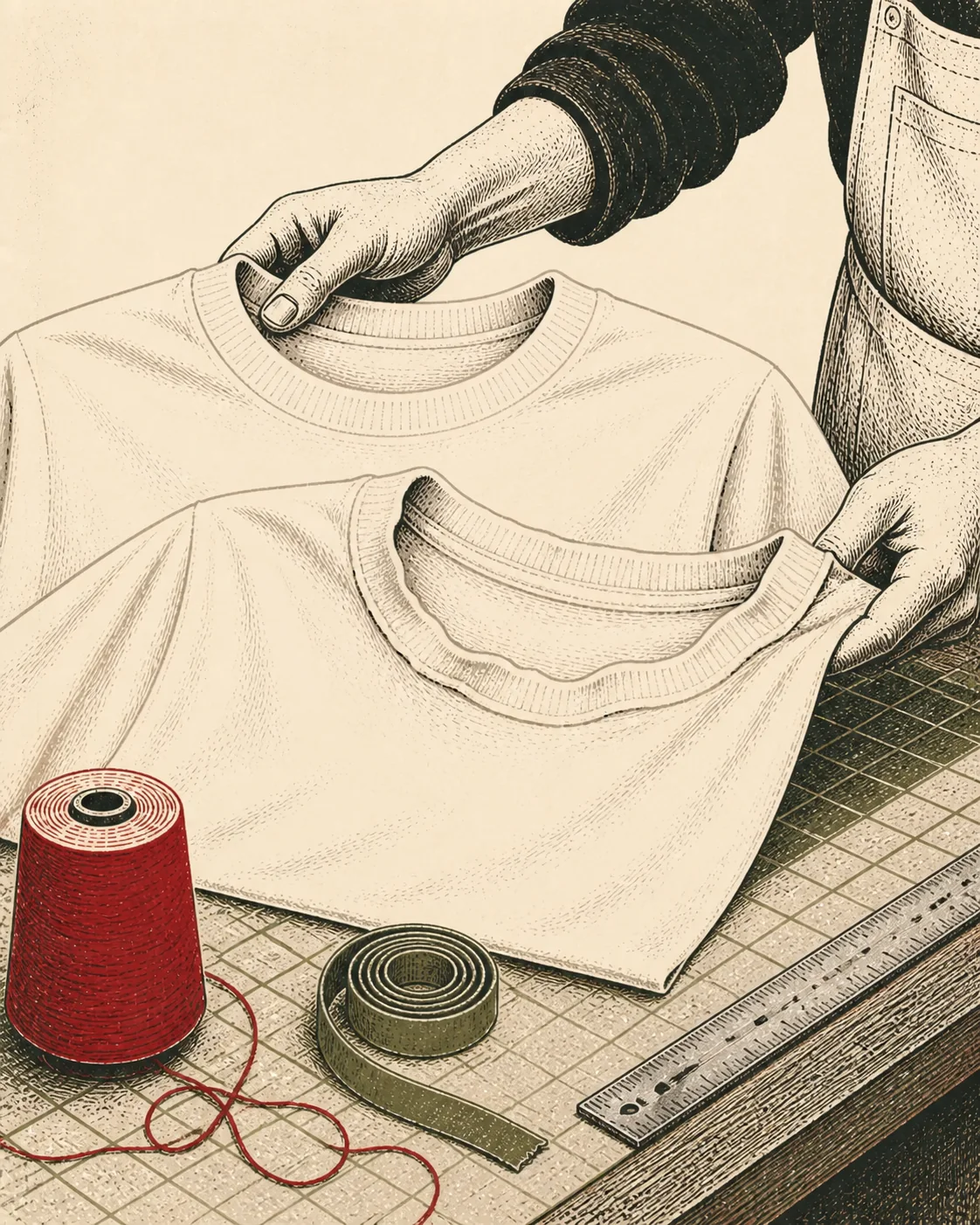
Why t-shirt collars stretch out
The shirt you love goes slack around the neck long before the fabric wears through anywhere else. Here is what actually gave out.
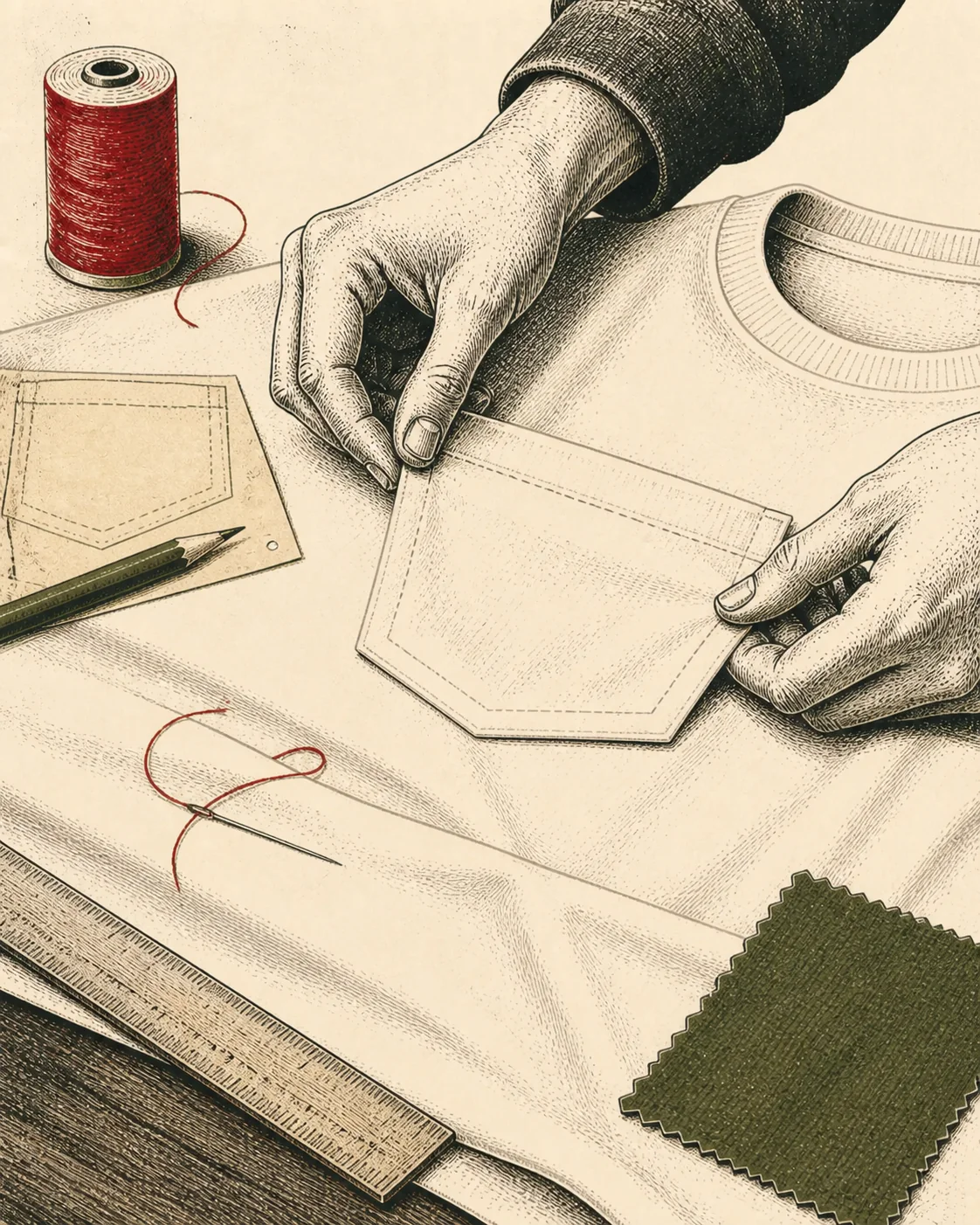
Why t-shirts have pockets
A pencil, a pack, a timecard. The chest pocket was never decoration; it was where a working man's hands already went.
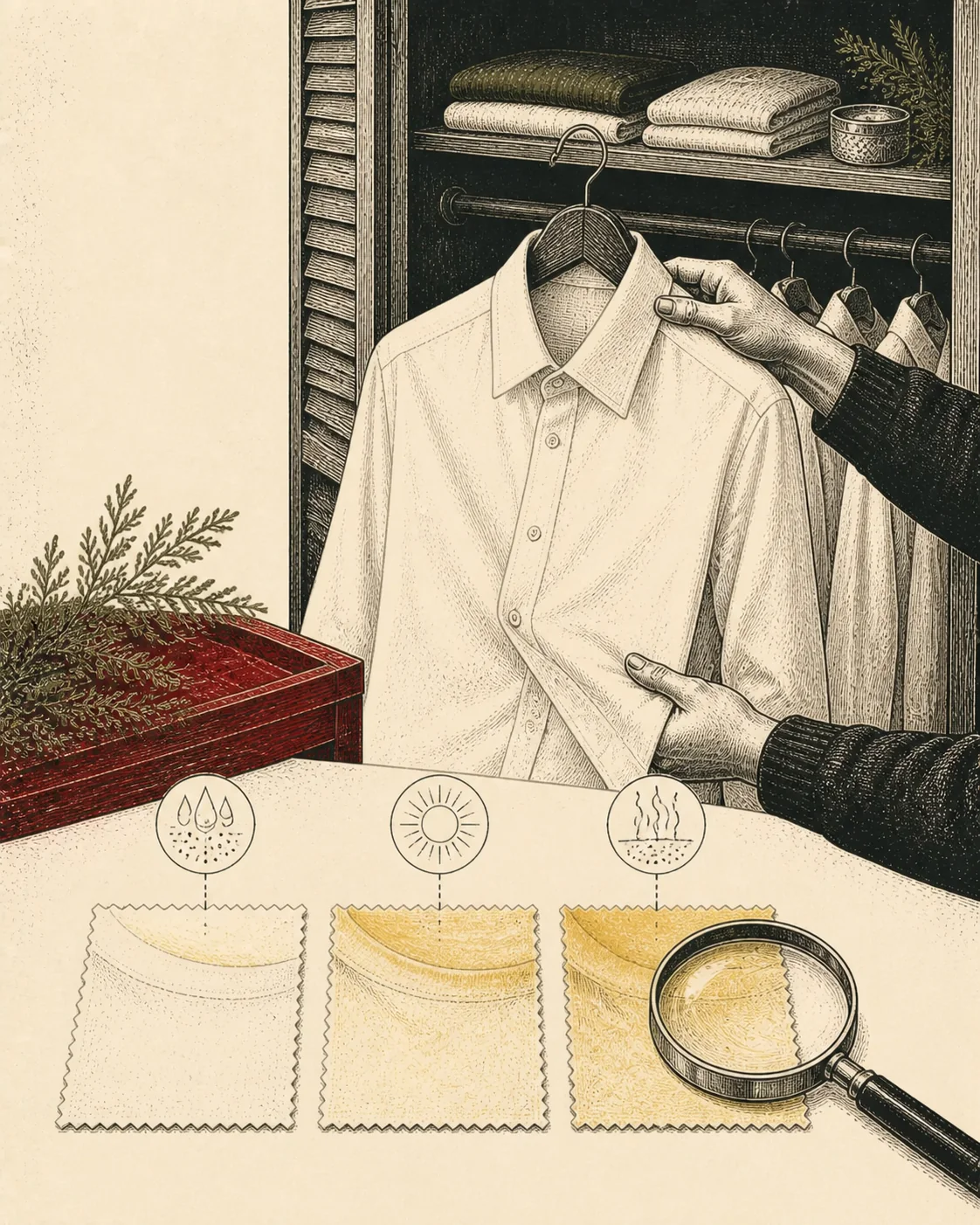
Why white shirts turn yellow in storage
Nobody spilled anything on the shirt in the box. It yellowed anyway, and the cause was already on the fabric the day it went in.
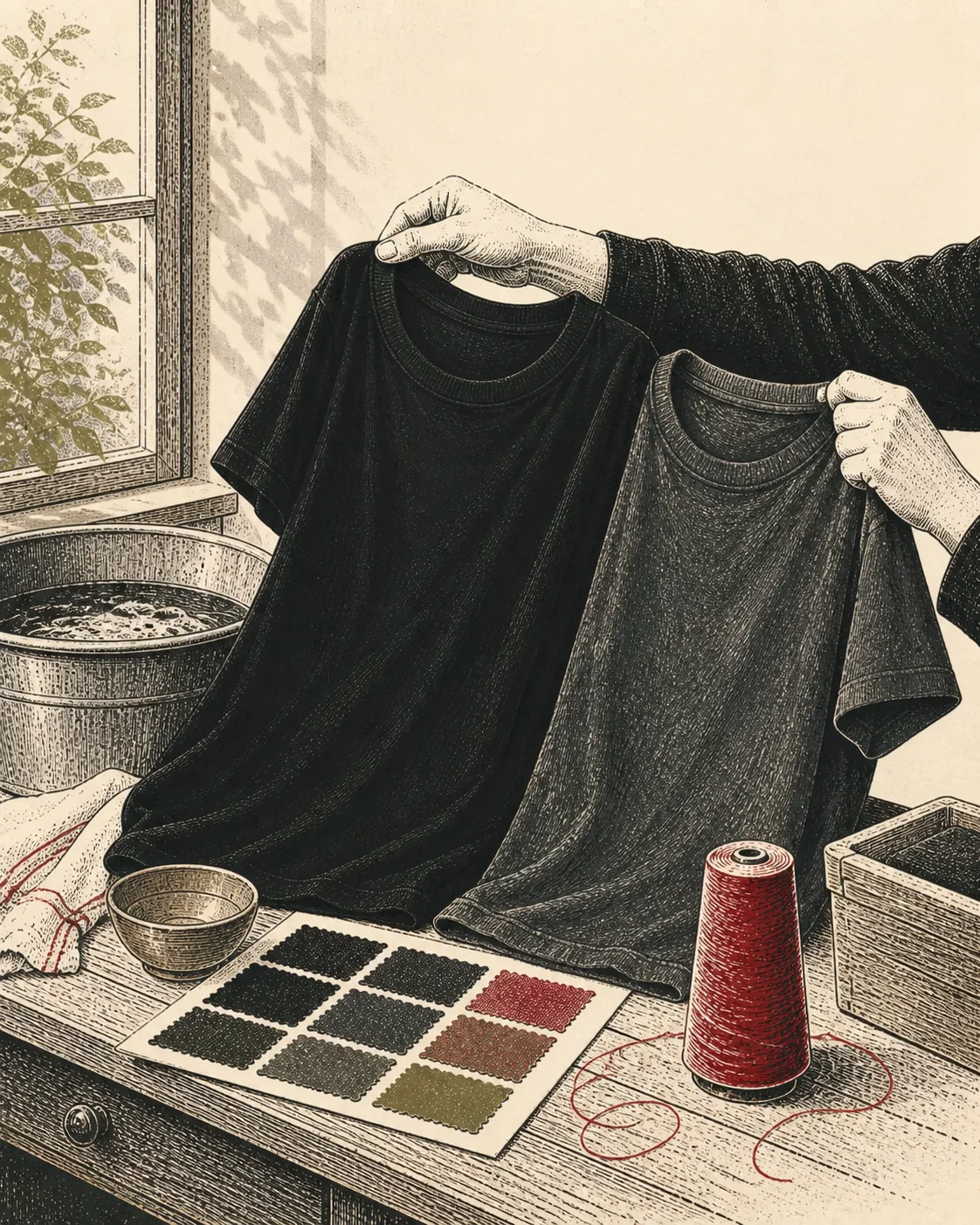
Why your black T-shirt fades
Three different things get called fading, and the one everybody blames for it is rarely the one doing the damage.
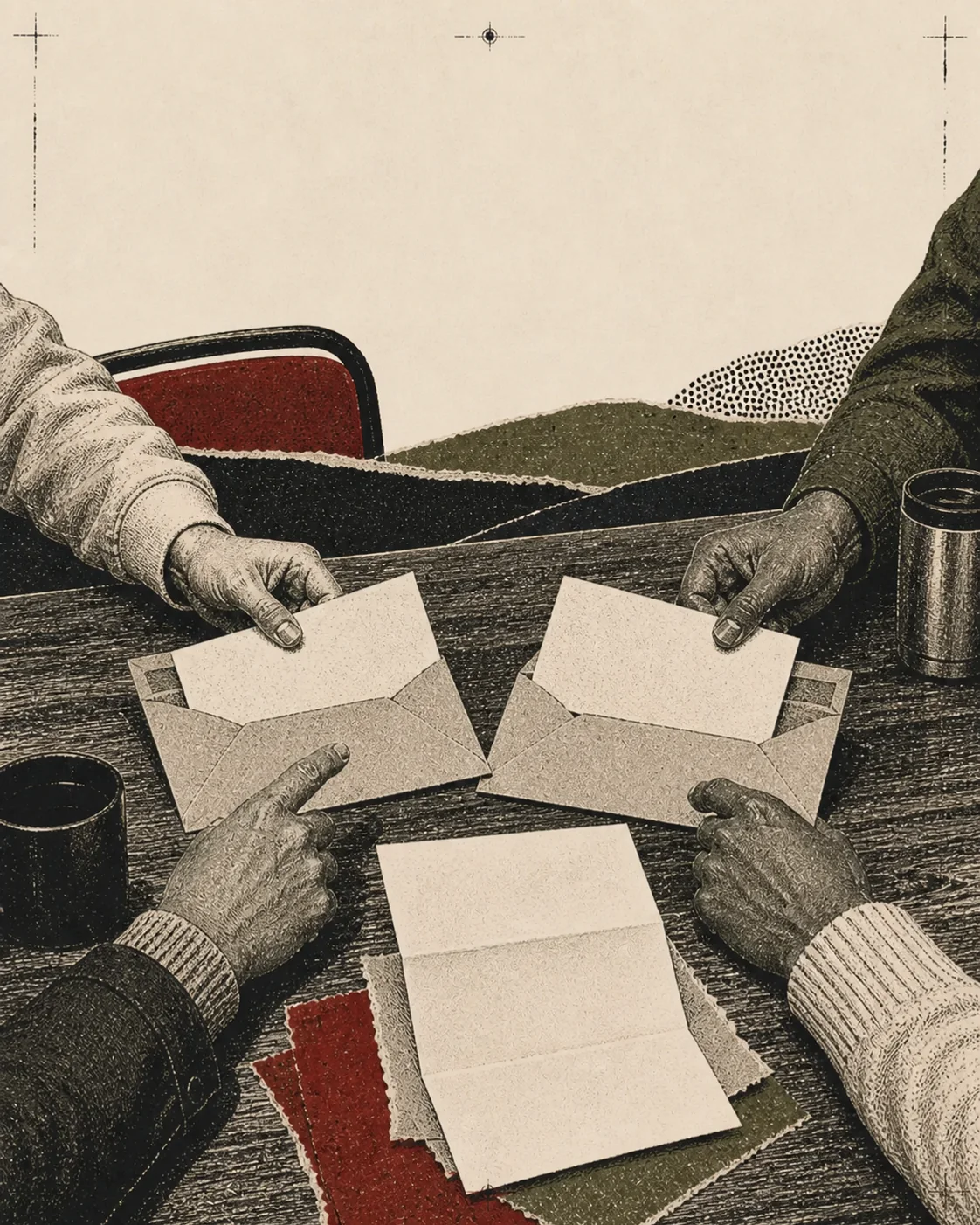
Can your employer stop you from talking about pay at work
A policy that says don't discuss your salary is illegal for most private-sector workers. Here is the statute, the exclusions, and what the NLRB actually says about it.
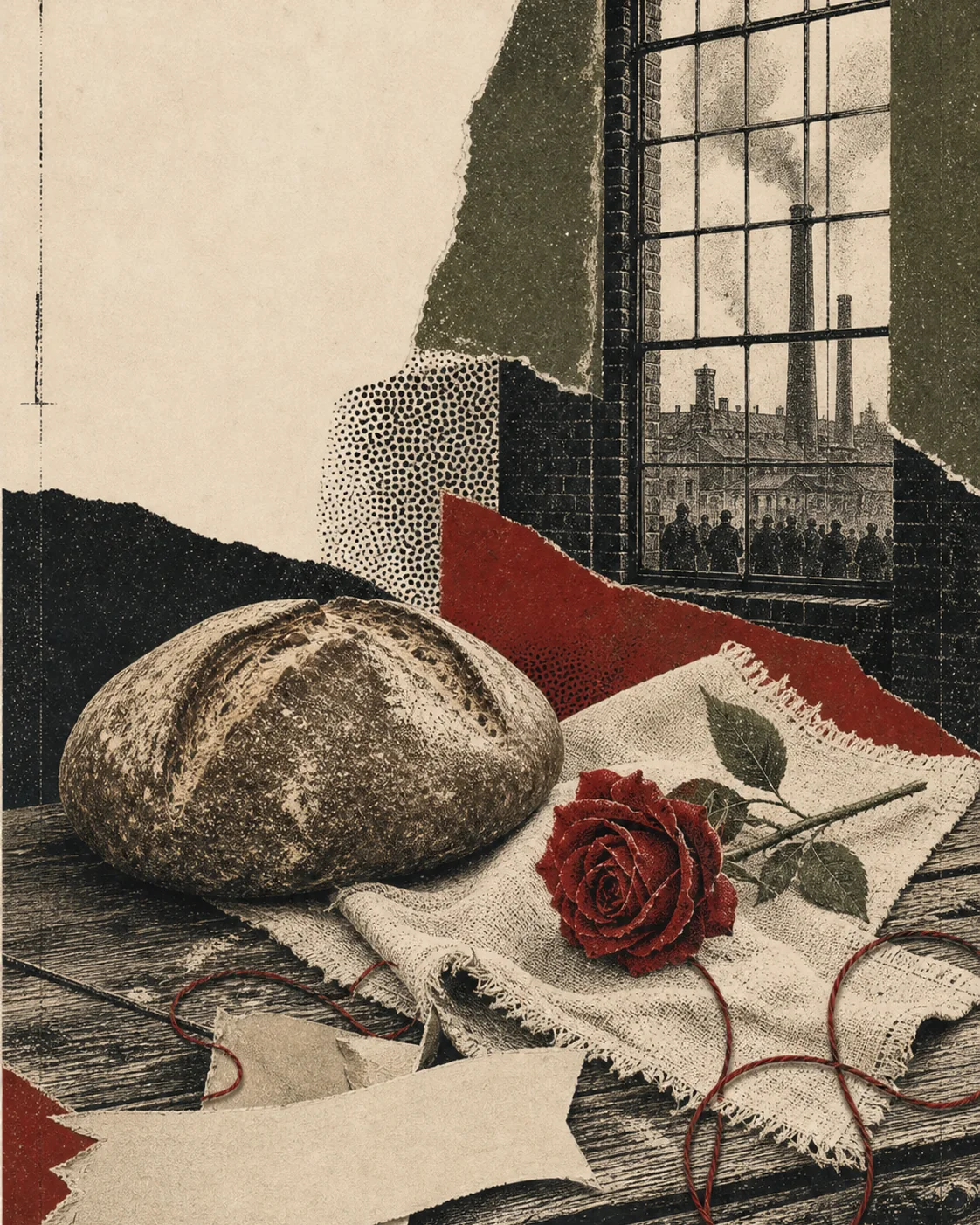
Bread and roses: the strike that named a demand
It started with a pay envelope a few cents short and became the strike that gave the labor movement its most quoted phrase.
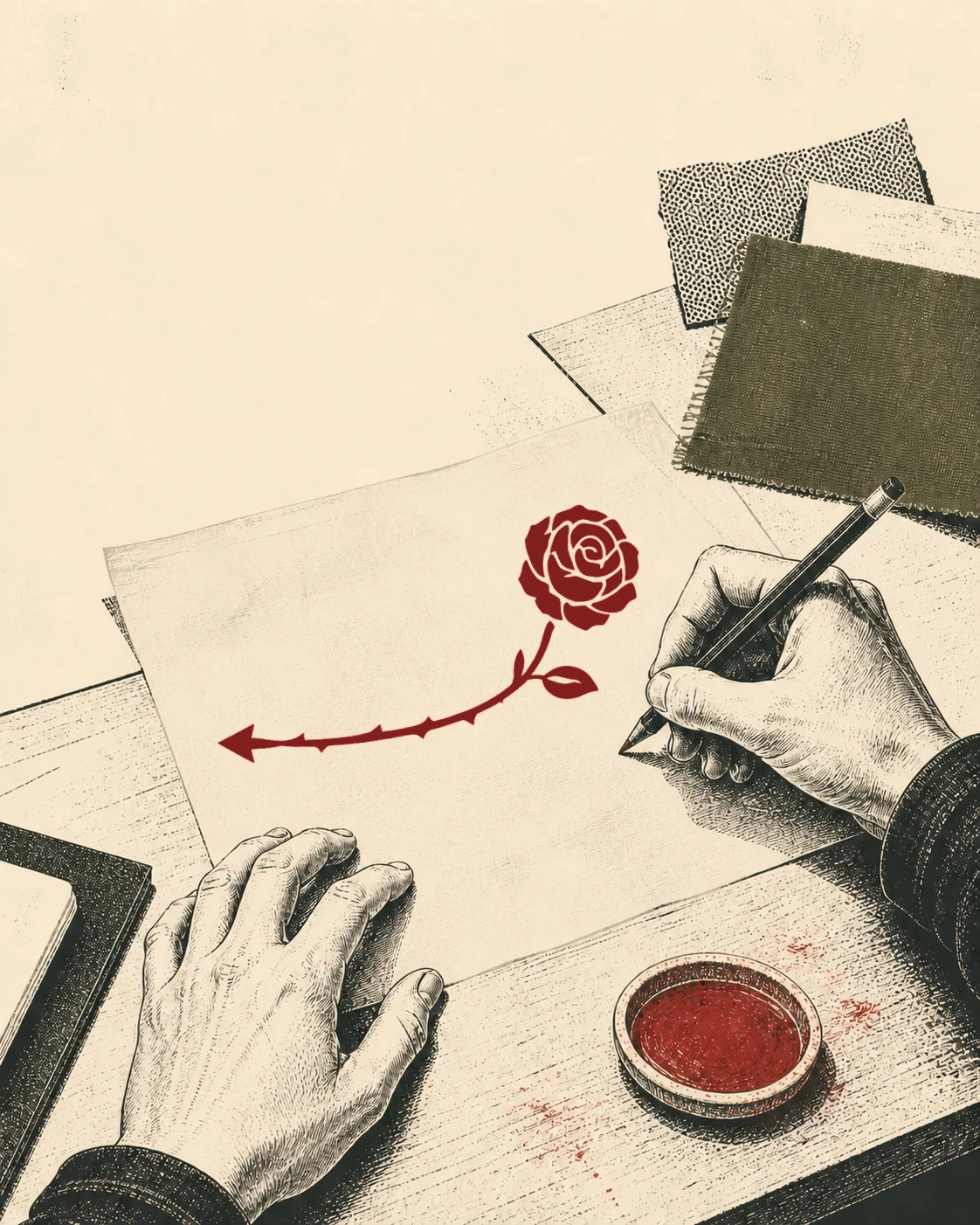
Drawing a rose that points somewhere
The design brief was one sentence: a rose you'd wear before you knew what it meant. Notes on how the mark got drawn.
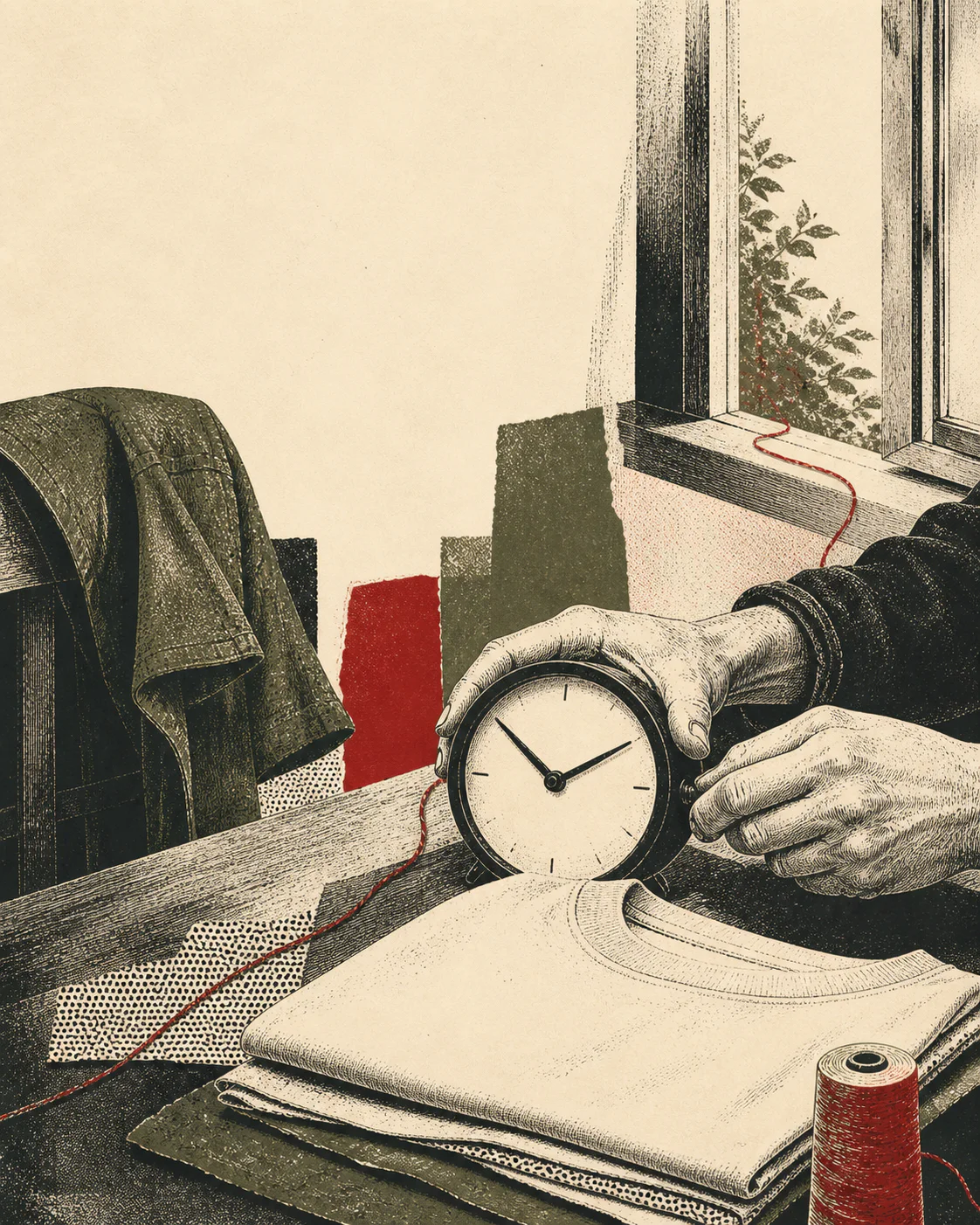
Eight hours for what we will
Work and rest explain themselves. The third eight hours had to be fought for by name, and it's the clause your evenings live in.
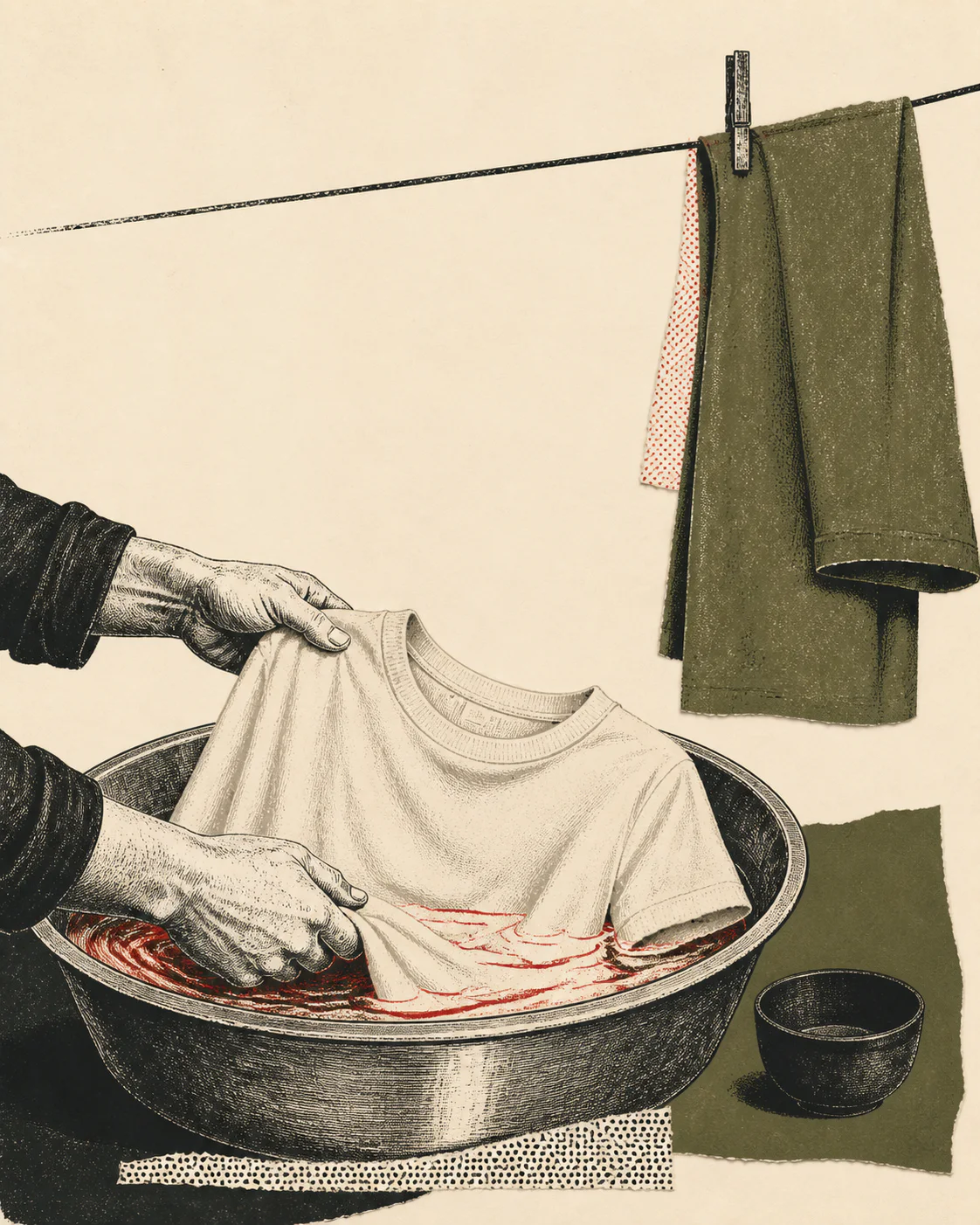
How to wash garment-dyed cotton
Garment-dyed cotton is dyed after the shirt is sewn. That one fact explains the color, the softness, and every rule about washing it.
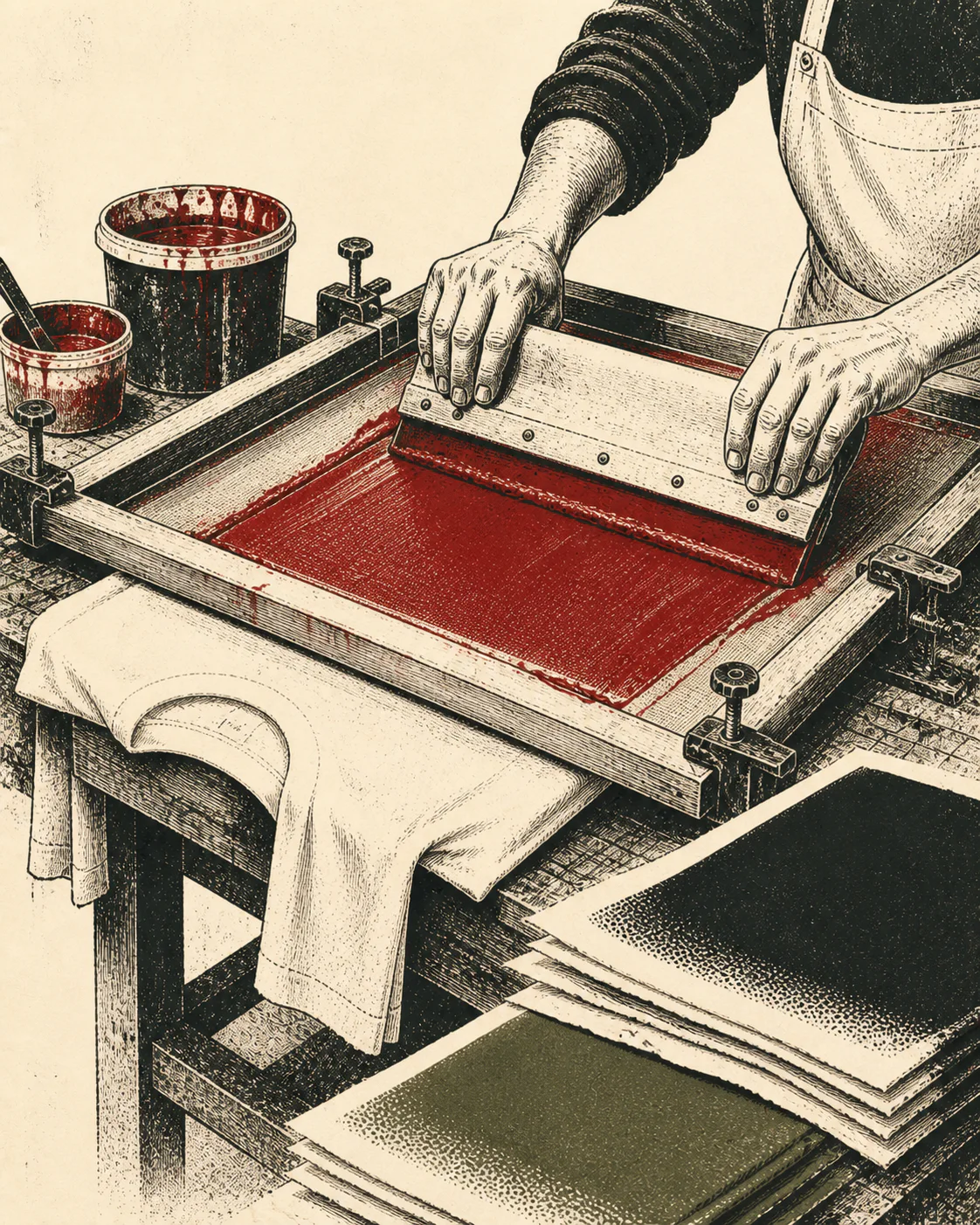
Screen printing, DTG, or DTF: what's on your shirt
Every printed tee you own was made one of three ways. How to tell which, and what that predicts about wash fifty.
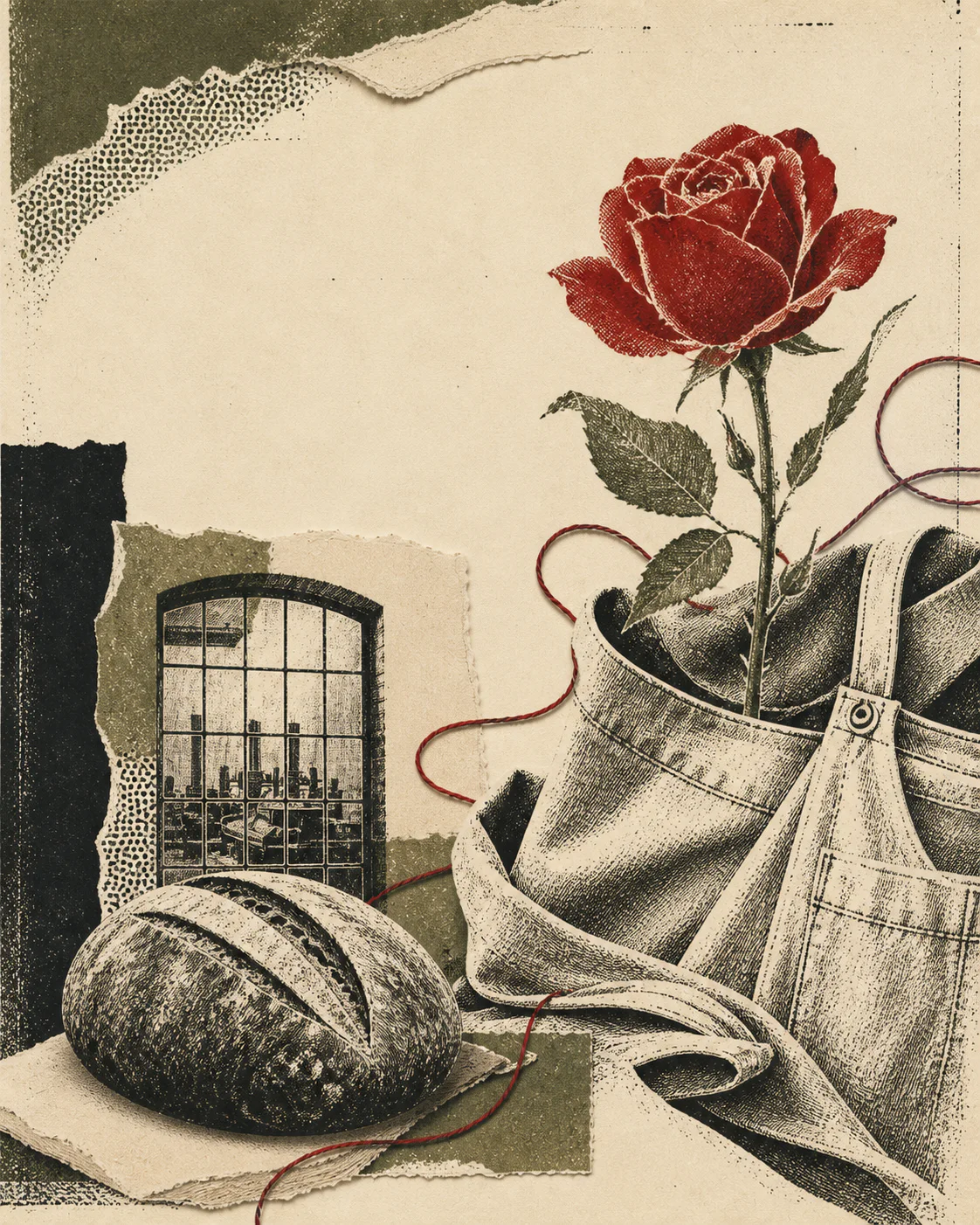
Where the socialist rose came from
A poem, a textile strike, and a Paris design brief: how a garden flower became the most durable political symbol the democratic left has.
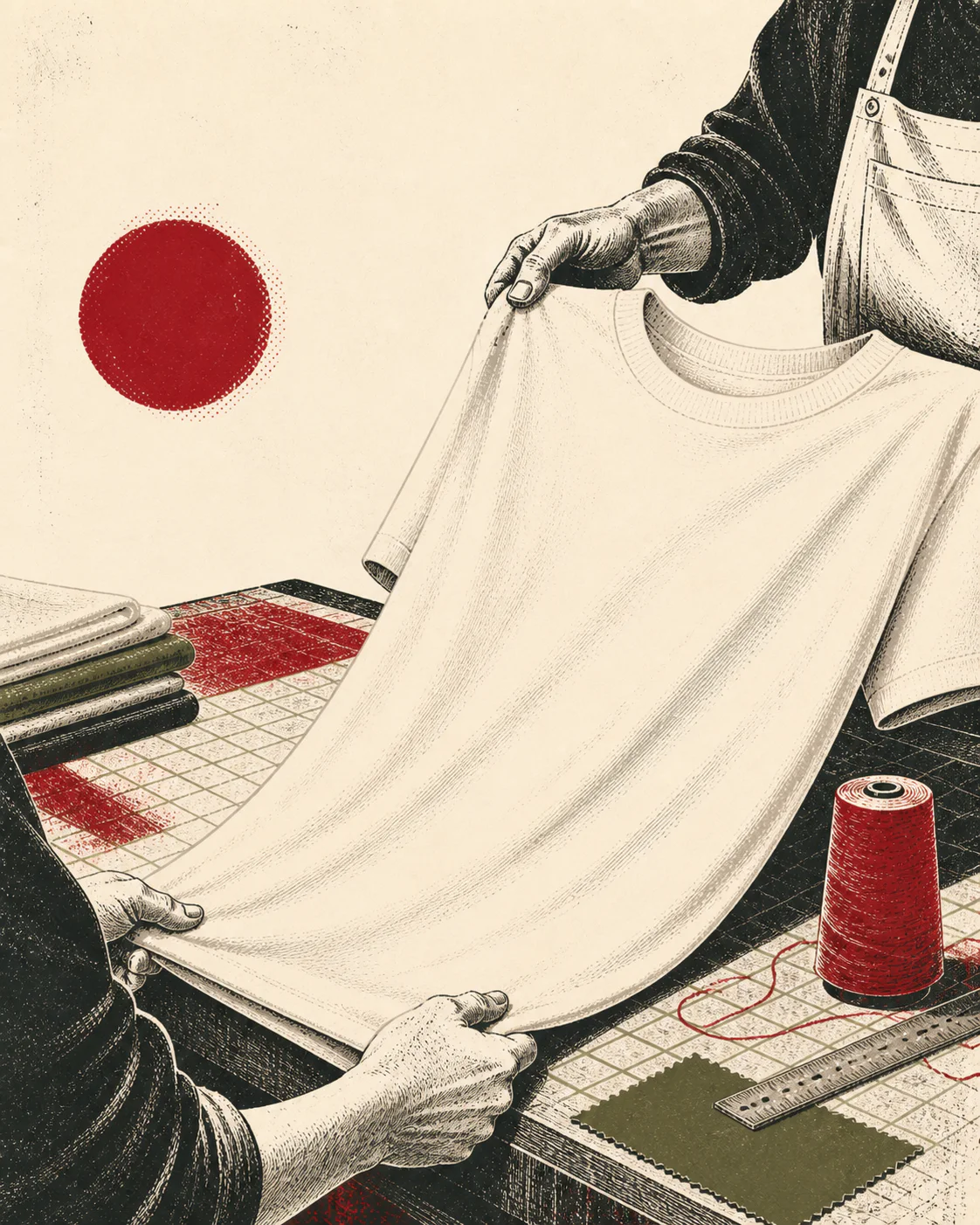
What makes a t-shirt heavyweight
The word gets stitched onto everything now. Here is what the number underneath it actually measures, and what it does on your shoulders.
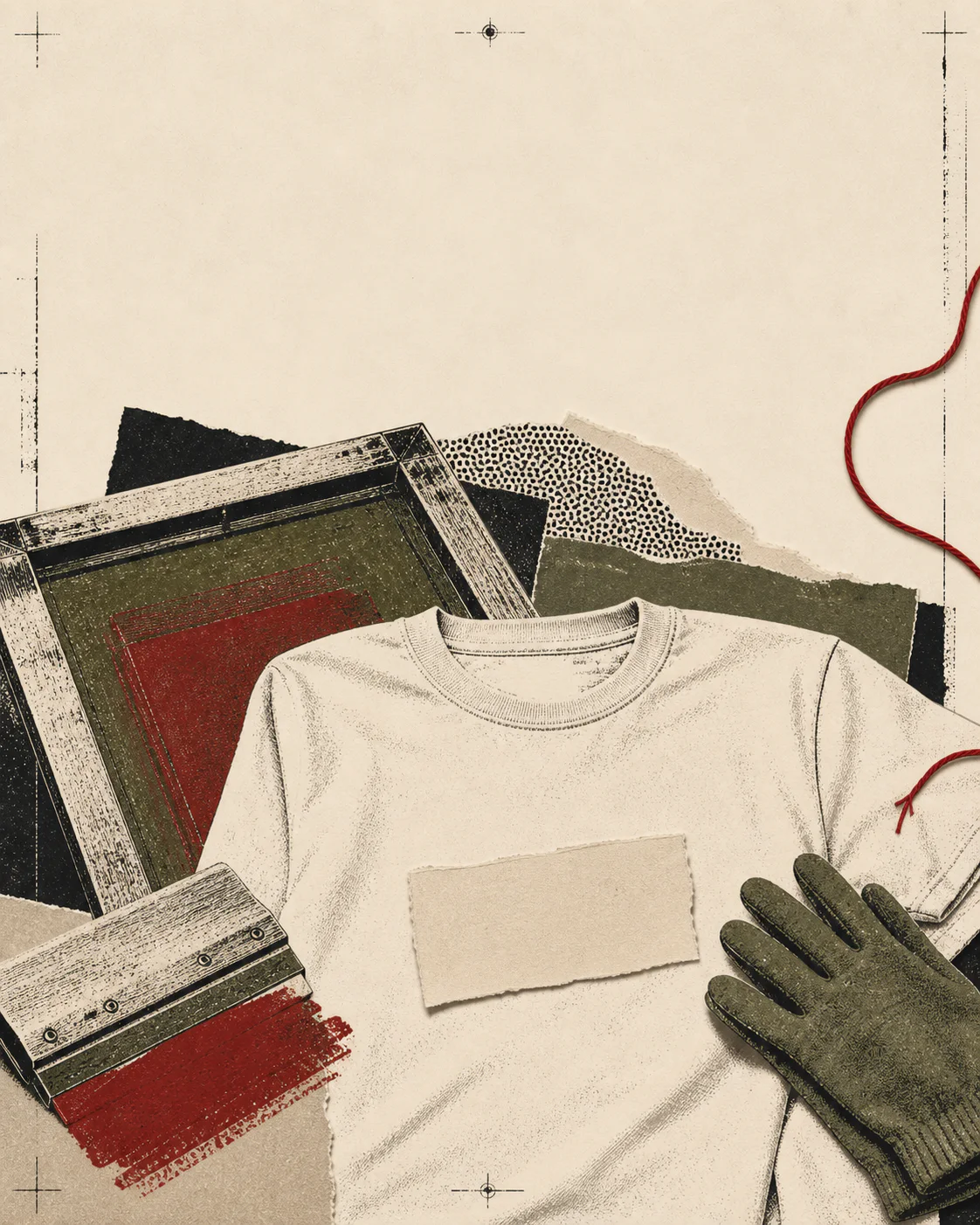
Union made and union printed are not the same claim
Three phrases get used interchangeably on merch, and they claim very different things. Most political merch makes the smallest of the three and lets you assume the largest.
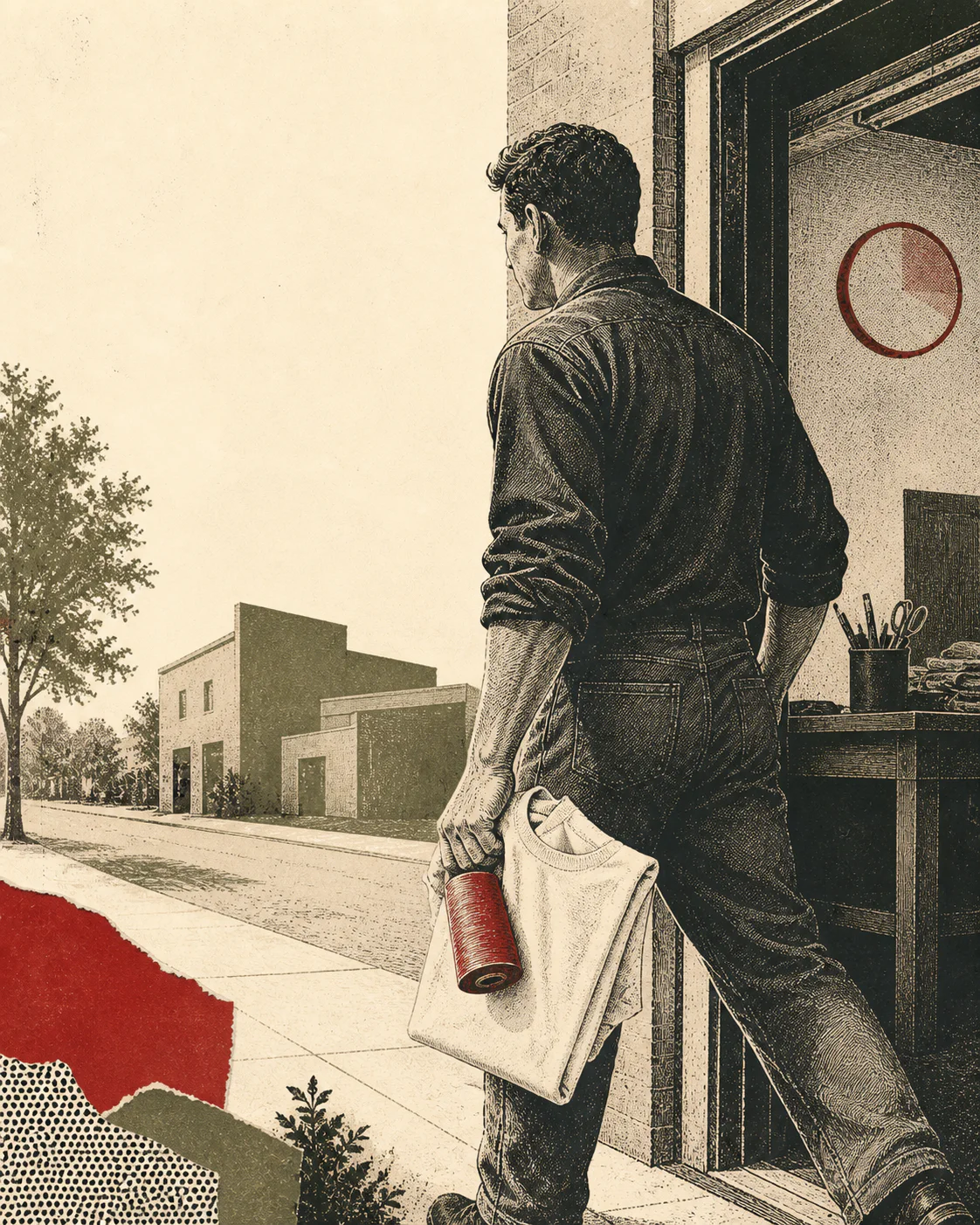
Who won the weekend
Saturday did not always belong to you. The story of how it changed hands runs through Haymarket, a Detroit assembly line, and one federal law.
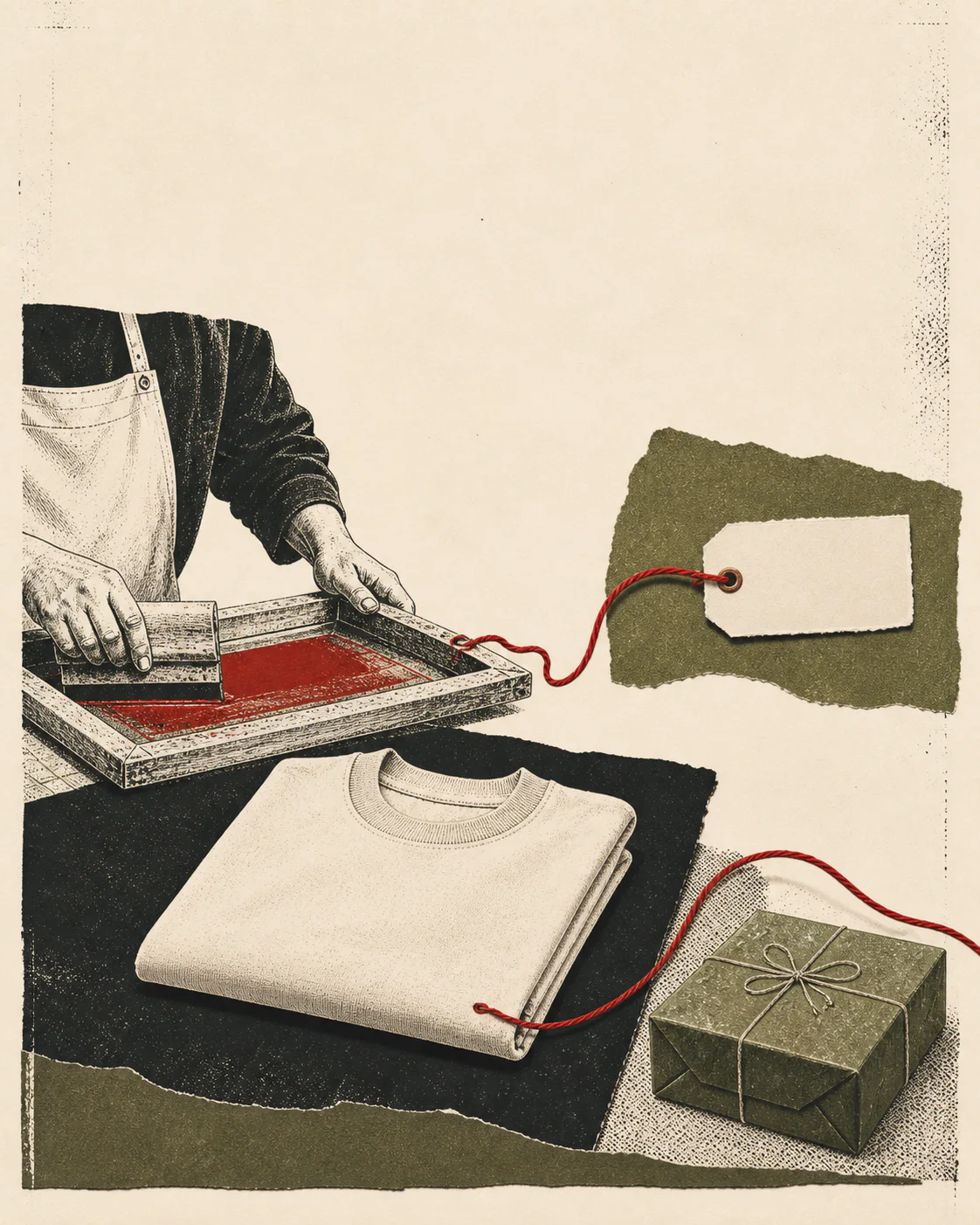
Why we print your shirt after you buy it
The apparel industry's dirtiest habit is making clothes nobody ordered, then destroying them. There is a version of this business that cannot do that.