Long before anyone scanned a QR code to check a supply chain, American workers invented the ancestor of every ethical-consumption scheme: a small mark that said union hands made this, and a public trained to look for it.
The idea starts in the 1870s with cigars. San Francisco cigar makers, fighting sweatshop competition, began marking boxes of union-made cigars so buyers could tell the difference at the counter. The genius of the move was that it recruited the customer into the bargaining. A boycott asks people to give something up; a label asks them only to choose, and turns the choosing into pressure.
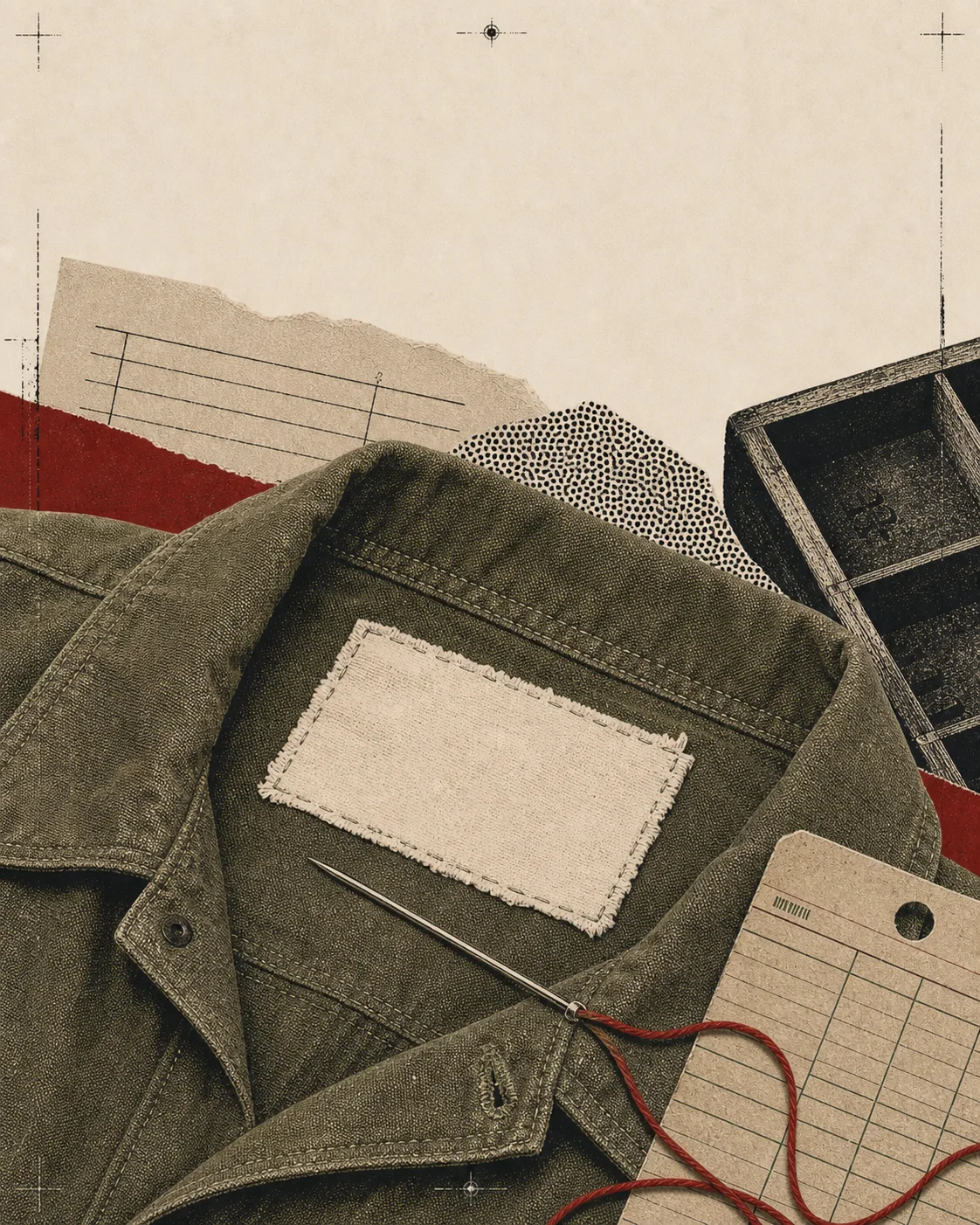
The printing trades systematized it. From the 1890s, allied printing trades councils issued the “union bug,” a tiny insignia with a council name and shop number that union print shops placed on their work. It made union printing verifiable at a glance, which mattered most in politics: a campaign flyer without a bug was, and in labor circles still is, a self-own visible from across the room. Garment unions sewed their version directly into clothes, where it rode against the skin of the wearer like a signature.
Label leagues, often organized by women who did the household buying, turned looking for the label into a movement discipline. Union families checked hats, overalls, bread, beer. The label became a map of an economy inside the economy, and buying along it was membership you could practice daily without attending a single meeting.
Then, in 1975, the label sang. The International Ladies’ Garment Workers’ Union put its members in front of cameras to perform a jingle: look for the union label. The ad ran for years, long enough for its tune to lodge in the national memory. Its audience reached far beyond union households. It was also, read closely, a distress signal. The ILGWU was fighting import competition that would gut American garment manufacturing over the following decades, and the jingle was the sound of a movement asking consumers to hold a door that economics was pushing shut.
The door mostly closed. The label survived by contracting to the places where union production still exists, print shops among them, and its logic never aged a day. Labor conditions are invisible in a finished product, and a mark from an organization with the power to verify them remains the shortest honest bridge between a buyer’s values and a maker’s paycheck.
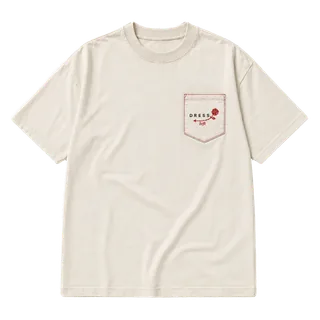
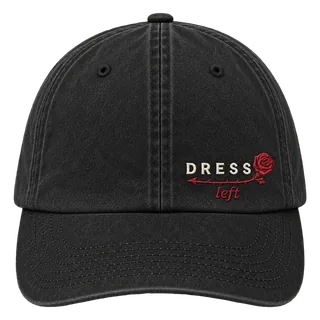
Which is why we intend to carry the decoration shop’s bug on Drop 001, and why the garments do not carry one today: the contract is still being negotiated. A bug placed on a garment before it has been earned is worse than no bug at all, because it borrows the enforcement of an organization that never agreed to stand behind you. The cigar makers started this so buyers would not have to take a manufacturer’s word for it. Putting their mark on our word alone would invert the whole point.