Somewhere on the campaign shirt in your drawer there’s probably a tiny mark you’ve never read: a small oval or rectangle with initials and a number in it. That’s the union bug, and it’s a receipt with a century of enforcement behind it.
Start with what the phrases mean, because merch language blurs them constantly.
Union printed covers the decoration. The shop that pulled the squeegee or ran the embroidery heads operates under a collective bargaining agreement: negotiated wages, benefits, and a grievance process. The garment arrived at that shop as a blank from somewhere else.
Union made covers the garment itself, the cutting and sewing. This is the rarer and stronger claim. Only a handful of American mills and manufacturers still produce union-made blanks, which is why a brand that has one tends to mention it by name, and a brand that says only “ethically sourced” tends not to have one.
The union bug is how the printing claim is signed. Union print shops mark their work with a small label naming their trades council and a shop number. Allied Printing Trades councils, which have marked union print work since the 1890s, assign each shop its own number; the bug on a piece traces to a specific shop floor. It began as a consumer signal in an era when “look for the label” was a movement strategy, and among unions, campaigns, and people who check, it still is. A political campaign that ships merch without a bug will hear about it before lunch.
None of these claims covers everything, and that’s the practical lesson: a shirt has at least two labor stories, the fabric’s and the ink’s. The cotton was grown, spun, knitted, cut and sewn before any printer touched it, sometimes on the other side of the world. A brand can do genuinely right by one stage and have nothing to say about the other. What separates honesty from hangtag poetry is whether the brand tells you which stage it’s claiming.
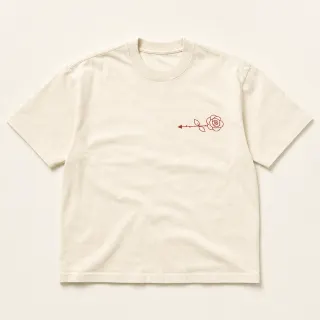
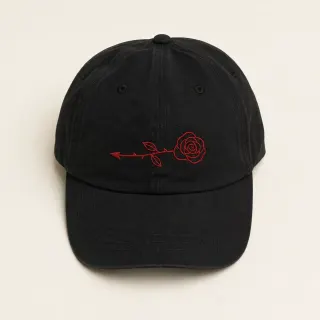
So here is ours, stated the way we’d want it stated to us. DRESS decoration is union work, done in the United States, and the shop and its local are named on the Who Made This page. The blanks are chosen for fabric first and named per product; when one carries a genuine union label we say so, and when it doesn’t we don’t imply otherwise. If you ever catch the site blurring that line, write in. Being holdable to it is what the rose on the chest is for.