In 2018, Burberry’s annual report admitted something the industry had done quietly for decades: the company had destroyed £28.6 million worth of its own unsold clothes and cosmetics in a year, burning value rather than let it reach a discount rack where it might dilute the brand. The headline number forced a public promise to stop. The practice it exposed was no single company’s habit but the business model’s byproduct, everywhere.
Conventional apparel is a guessing game played months ahead. A brand forecasts what will sell next season, commits to factory minimums, and ships containers of inventory toward a demand curve that exists only in a spreadsheet. Guess low and you leave money on the table. Guess high, which is safer for the shelves, and the overrun starts its sad afterlife: markdowns, outlet malls, bulk exporters, shredders, landfill. The system works, in the sense that shelves stay full, and the pile is what working costs it.
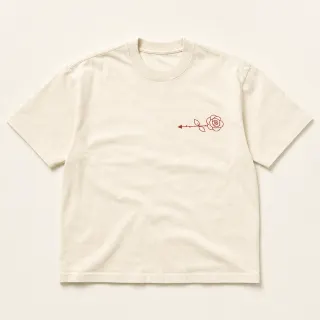
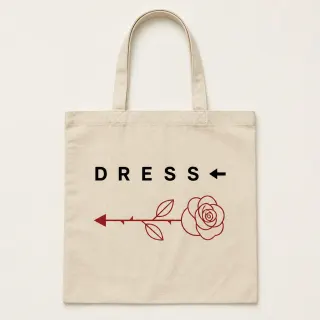
Made-to-order is the boring fix. Nothing is printed until someone buys it. Your order arrives, the blank comes off the shelf, the design goes on, the box ships. The inventory gamble simply doesn’t happen, because there is no inventory, and the landfill run doesn’t happen, because there is no overrun. Every DRESS garment that exists was asked for by name, in a size, in a colorway.
The honest part, and the reason more brands don’t do it: the costs move instead of vanishing. Per-unit production costs more without bulk runs. And you wait. A warehouse brand can have a box on your porch tomorrow because it guessed about you months ago; we start printing after you click, which takes three to five business days before transit. We put that number on every product page and in the checkout, because a delay you were warned about is a production method, and a delay you discover is a customer-service ticket.
There’s a version of this pitch that dresses itself in planet-saving language and hopes you won’t check the math. Here’s the checkable claim, no more: made-to-order eliminates overproduction, which is one specific, large, deliberate harm. The cotton still has a footprint. The truck still burns fuel. What doesn’t exist is the pile of unworn clothes made for a forecast, and not making the pile turns out to be the easiest environmental claim in fashion to keep, because it’s structural. We couldn’t overproduce if we wanted to. Nobody’s ordered it.